
Customized Sauce Expert
Home / All / Custom Sake & Fruit Wines / Custom Sake / Junmai Sake Manufacturer | Private Label Sake | Bar Usage Rice Wine | OEM&ODM Japanese Sake
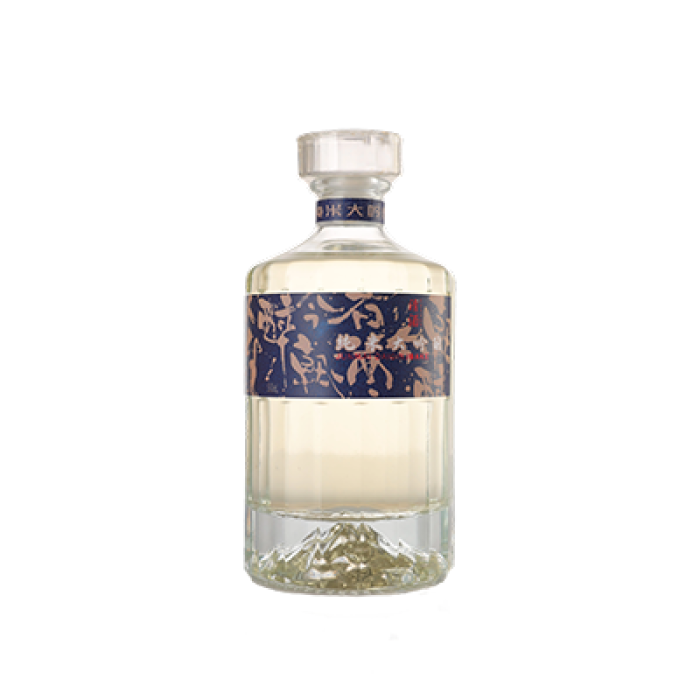
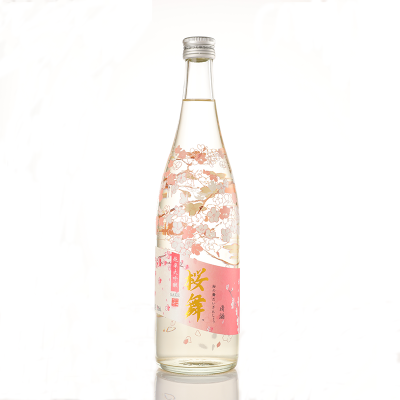
Junmai Sake Manufacturer | Private Label Sake | Bar Usage Rice Wine | OEM&ODM Japanese Sake


| Share | |
|---|---|
| Categories | Custom Sake |
| Brand | Yinghok Food & Beverage Wholesale Manufacturer |
| Model | KS-QJ-06 |
| Ingredient | Rice,water, rice koji |
| Milling rate | 70% |
| Alcohol content | 13-15% |
| Shelf life | 5 years |
| Available sizes | 180ml,250ml,275ml,350ml,720ml,730ml,750ml |
| Storage conditions | Store in a cool, dry place away from light. |
| FOB port | Dalian Port |
| Terms of Payment | T/T |
| Download |  |
Detail Information
What is Junmai Sake?
Sake originated in China, and its name was first recorded in the *Rites of Zhou*, an ancient Chinese classic over 3,000 years ago. It was introduced to Japan during the Jōmon period, and by the 14th century, the brewing techniques of sake had matured in Japan, making it the national wine and the most representative traditional alcoholic beverage of Japan.
Dalian is similar to Japan in geographical latitude and climate, giving it a unique geographical advantage for brewing sake. Since 2001, Dalian Kuoshen has adopted Japanese sake brewing techniques, using rice grown in the black soil of Heilongjiang Province, natural mineral water, and imported Japanese yeast. It utilizes the natural low temperatures in Dalian during winter (from November to March of the following year) for fermentation and sake production.
How does YINGHOK Junmai Sake taste?
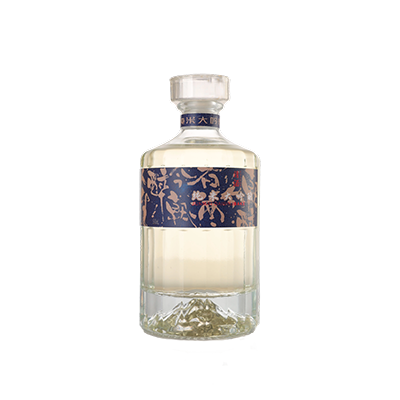
A delicate fruity-floral aroma with a clean ,crisp taste. It also good with food and definitely delicious to taste eiher cold or warm.
What's the meaning of milling rate?
"Milling rate" refers to the process of removing the outer bran layer of rice grains, where the remaining core weight accounts for a specific percentage of the original rice. For example, "milling rate" at 50% means 50% of the rice's outer layer is polished away, leaving only the central 50% of the grain (the "heart white") for brewing.
Why Beverage Importers Choose Yinghok Junmai Sake?
• Traditional Japanese Brewing Process
Crafted using authentic sake brewing techniques for a clean and consistent flavor profile.
• Private Label & OEM Solutions
Custom labels, bottle designs and packaging options help distributors build their own sake brands.
• Flexible Packaging Formats
Available in retail bottles, gift packaging and foodservice bulk formats.
• Stable Wholesale Supply
Reliable production capacity ensures consistent quality and timely global delivery.
• Export Documentation Support
Professional export services with complete compliance documents for international markets.
• Free Sample Evaluation
Samples available before bulk orders to support product testing and market validation.
Junmai Sake Target Customers
Ideal For
✔ Japanese Restaurants
✔ Sushi Bars
✔ Izakaya Chains
✔ Beverage Importers
✔ Alcohol Distributors
✔ Supermarkets
✔ Asian Grocery Chains
✔ Private Label Beverage Brands
✔ Duty-Free Retailers
✔ Hotel & Hospitality Groups
What is the difference between dai-ginjo sake, ginjo sake and junmai sake?
TYPE OF KUOSHEN SAKE | |||
| Name | Dai-ginjo Sake | Ginjo Sake | Junmai Sake |
Milling Rate | 50% or less | 60% | 70% |
| Materials | water,rice, rice koji | ||
| Description | · Crafted from white rice polished to 50% or less of its original grain. · Features a delicate fruity-floral aroma with a clean, crisp taste. | · Crafted exclusively from white rice, rice koji, and pure water. · Features a mellow aroma with a rich, smooth flavor profile. | · Renowned for its delicate aroma and refreshingly crisp taste. |
Looking for a reliable Junmai Sake manufacturer?
Whether you are building a new beverage brand, expanding your restaurant supply portfolio, or sourcing private label Japanese sake, Yinghok provides flexible OEM/ODM solutions, stable production capacity and professional export support. Contact us today for samples, quotations and customized packaging options.
SAKE FAQs
How long is the shelf life of SAKE ?
5 Years,refrigerate after opening and consume quickly.
What is the alcohol content of sake?
It is usually 13-15 %vol, and the alcohol content can be adjusted according to customer needs.
How to Store Sake?
Sake must be stored in a cool, dry place away from direct sunlight. If exposed to direct sunlight for over two hours, the liquid may turn yellow and spoil. Even when refrigerated, sake's aroma and flavor will gradually diminish over time—for the best taste, consume it as soon as possible after opening.
How does the free sample offer work for wholesale clients before placing a large order?
Prior to your formal bulk order, we can send FREE product samples for quality testing. You only need to cover the international shipping cost for the samples.
Is the quality of bulk wholesale orders consistent with the free sample?
Absolutely. We strictly follow the same production standards, raw material specifications and quality control processes for samples and bulk orders. If you find quality discrepancies, contact our after-sales team for a solution within 7 business days of receipt.
Related Products
Review
- 加载中···
Please send your message to us
- Name
- *Phone
- *Title
- *Content
subscription