Why Are More and More Restaurants Adding Sake and Fruit Wine to Their Menus?

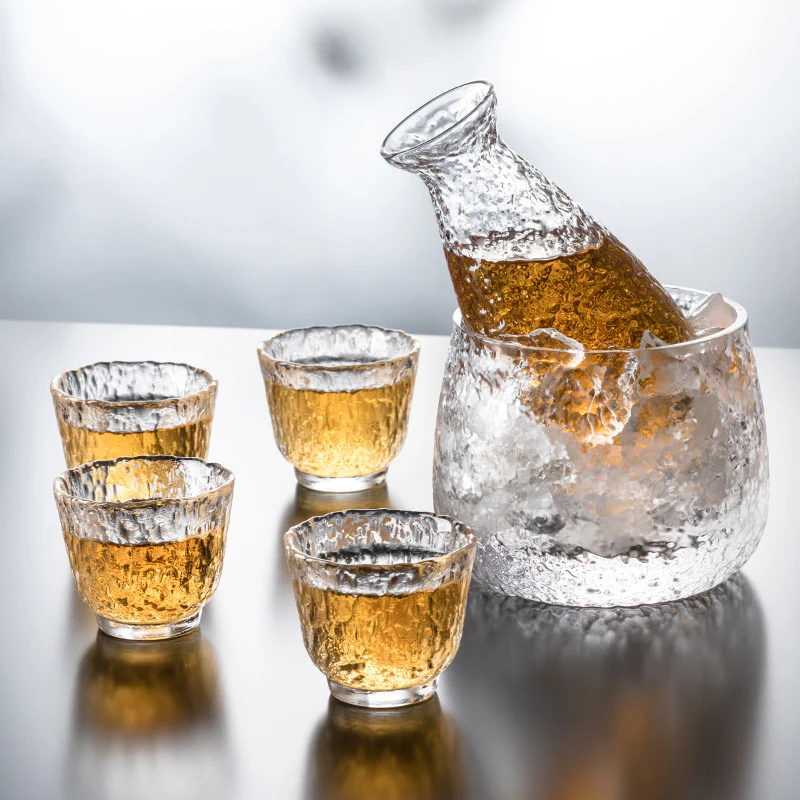
In recent years, the restaurant industry has undergone a significant transformation, with restaurants worldwide expanding their beverage selections to include Japanese sake and fruit wine. This trend reflects a broader demand in the industry for authenticity, innovation, and enhanced customer experiences. As a leading premium beverage supplier, Yinghok Wines is at the forefront of this trend, dedicated to helping restaurants elevate their service by offering high-quality sake and fruit wine.
This comprehensive exploration delves into why this trend is gaining momentum, its benefits to restaurants, its cultural significance, and how Yinghok's expertise ensures that any restaurant aiming to outperform its competitors and satisfy discerning customers makes the perfect choice.
Japanese Sake and Fruit Wine Gain Popularity in Modern Cuisine
As global consumers seek more authentic, flavorful, and culturally rich alcoholic beverages, Japanese sake and fruit wine are rapidly becoming popular alternatives to traditional wines and beers. Today's drinkers are no longer satisfied with ordinary drinks—they seek unique flavors, traditional craftsmanship, and the rich stories behind the beverages.
Japanese sake, with its centuries-old brewing history, represents a traditional, precise, and refined taste. Meanwhile, fruit wines, made from locally sourced fruits, attract adventurous consumers and the premium beverage market with their innovative flavors. Together, these products are reshaping trends in the global alcoholic beverage industry.
Cultural fusion fosters new culinary experiences. Modern cuisine increasingly embraces fusion dishes and creative food pairings, and sake and fruit wines perfectly align with this trend. From classic Japanese sushi and sashimi to sophisticated Western cuisine and modern fusion dishes, sake and fruit wines pair seamlessly with a wide variety of culinary experiences.
Restaurants and chefs are increasingly using these beverages to enhance flavors, elevate the dining experience, and differentiate menus, making premium sake and fruit wines an integral part of modern food culture.
Health-conscious consumers prefer natural alcoholic beverages. As consumer demand for natural, low-sugar, and gluten-free drinks grows, many are choosing sake and fruit wines as healthier alternatives. Many types of sake have lower sugar content and moderate alcohol content, making them popular among health-conscious drinkers.
Meanwhile, fruit wines made from organic or local fruits perfectly align with global trends in sustainability, clean-label products, and responsible consumption.
The premium sake and fruit wine market is growing rapidly. Driven by lifestyle changes, the trend towards upscale dining, and a growing interest in Asian cuisine, the global market for Japanese sake and fruit wines is expanding rapidly. Importers, distributors, restaurants, and retailers are recognizing the strong market demand for high-quality, authentic, and customizable alcoholic beverages.
As consumers continue to explore new tastes and cultural experiences, sake and fruit wines will play an increasingly important role in the future of modern dining culture.
Key Factors Driving Restaurant Adoption of Sake and Fruit Wines.
With the continued growth in consumer demand for premium, distinctive, and culturally rich alcoholic beverages, more and more restaurants are including Japanese sake and fruit wines on their beverage menus. These products not only enhance the dining experience but also create significant business value for restaurant operators. Below are the key reasons why sake and fruit wines are becoming a strategic choice for modern restaurants.
1. Unique Flavor Characteristics and Exceptional Sensory Experience
Japanese sake is renowned for its rich and refined flavors, ranging from light, fruity, and slightly sweet styles to crisp, dry, and invigorating ones. Its smooth texture and delicate aroma make it a favorite among casual drinkers and connoisseurs alike.
Fruit wines, made from carefully selected natural fruits, are rich, vibrant, and fragrant. They blend perfectly with food or create surprising contrasts, resulting in a complex and memorable tasting experience. This versatility makes sake and fruit wines ideal for pairing with seafood, barbecue, desserts, and fusion dishes.
2. Enhancing Beverage Menu Differentiation and Brand Image
In an increasingly competitive restaurant market, menu differentiation is crucial. By introducing premium sake and fruit wines, restaurants can immediately stand out from the competition and position themselves as innovative, trendsetting, and quality-conscious establishments.
Offering exclusive premium beverages also helps enhance a restaurant's brand image. Partnering with specialist wineries like Hidekazu Winery ensures customers receive a carefully curated selection of premium sake and fruit wines, creating a unique and memorable drinking experience that encourages repeat visits.
3. Higher Profit Margins and Strong Upsell Potential
Premium sake and fruit wines typically command higher prices and generate higher profit margins compared to regular beer and table wines. With well-designed menus and staff training, these beverages can become a strong driver of revenue growth.
When sommeliers or servers recommend suitable food and wine pairings, customers are more likely to upgrade their drink selections, increasing average spending per table. This not only boosts overall revenue but also enhances the dining experience through guided tastings and pairings.
4. Catering to Diverse Customer Preferences and Expanding the Customer Base
From seasoned sake enthusiasts to first-timers, sake and fruit wines appeal to a wide range of consumers. Their diversity in flavor, sweetness, and alcohol content allows them to cater to people of different ages, cultural backgrounds, and taste preferences.
By offering a diverse and well-structured selection of beverages, restaurants can attract new customers, satisfy existing customers, and encourage them to try new flavors—ultimately enhancing customer loyalty and increasing customer visit frequency.
How Yinghok Supports Restaurants in Integrating Sake and Fruit Wines into the Food and Beverage Industry
Selected Premium Sake and Fruit Wines
Yinghok is a leading food and beverage supplier with extensive experience in producing and distributing high-quality alcoholic beverages, as well as its core Asian sauces and condiments. Leveraging its integrated production network and rigorous quality control, Yinghok offers a wide range of authentic Japanese sake and fruit wines, including traditional sake, plum wine, and innovative fruit wines, all meeting international food safety standards and catering to the diverse needs of different restaurants.
Professional Training and Expert Consulting
Yinghok understands that product knowledge is crucial for successful promotion and therefore provides restaurant partners with tailored staff training and expert consulting services. This training covers key aspects of sake and fruit wines, such as tasting notes, service etiquette, and food pairing suggestions, helping staff confidently introduce these beverages to customers, thereby enhancing the overall dining experience.
This training support helps restaurants enhance the skills of their front-of-house service teams and sommeliers, improve upsell capabilities, and enhance customer interaction.
Customized Brand Promotion and Co-marketing Support
Yinghok works closely with restaurants to develop co-branded marketing programs designed to increase customer interest in sake and fruit wines. These programs include tasting events, seasonal promotions, and educational content introducing the cultural background and unique flavors of the wines. Through collaborative promotional activities, restaurants can increase brand awareness, attract new customers, and drive sales growth, while demonstrating their commitment to quality and innovation.
Yinghok Offers Flexible Product Solutions for the Foodservice Industry
With a comprehensive product portfolio tailored specifically for the foodservice industry, Yinghok offers restaurants customizable options, including its own-brand sake and fruit wines that align with specific brand images and menu concepts. These flexible solutions help restaurants create differentiated beverage offerings, generate memorable experiences, and attract both sake enthusiasts and first-timers.
The Future of Beverages in the Food and Beverage Industry
High-End Authentic Supply Continues to Grow
As consumers' appreciation for authenticity, quality, and innovative flavors deepens, the trend of incorporating Japanese sake and fruit wines into beverages is expected to continue and expand.
Combined with Food Pairing and Culinary Innovation
Restaurants will increasingly utilize these beverages to complement and enhance their menus, creating holistic dining experiences that emphasize storytelling, culinary artistry, and cultural education.
Sustainability and Local Sourcing
A focus on local ingredients and sustainable practices will further drive the popularity of locally produced fruit wines, aligning with the values of modern consumers.
Conclusion: Embrace the Trend with Yinghok
The increasing inclusion of Japanese sake and fruit wines on menus reflects a shift in the food and beverage industry towards authentic, innovative, and experiential dining. This trend offers numerous benefits—from unique flavors and market differentiation to higher profit margins and deeper customer engagement.
Partner with Yinghok to ensure your restaurant receives premium products, expert guidance, and strategic marketing support. Capitalize on this exciting trend to make your restaurant stand out, satisfy customers, and outperform competitors in the ever-evolving food and beverage market.
Chat with our experts to learn how Yinghok Winery can help you build a profitable sake and fruit wine business.
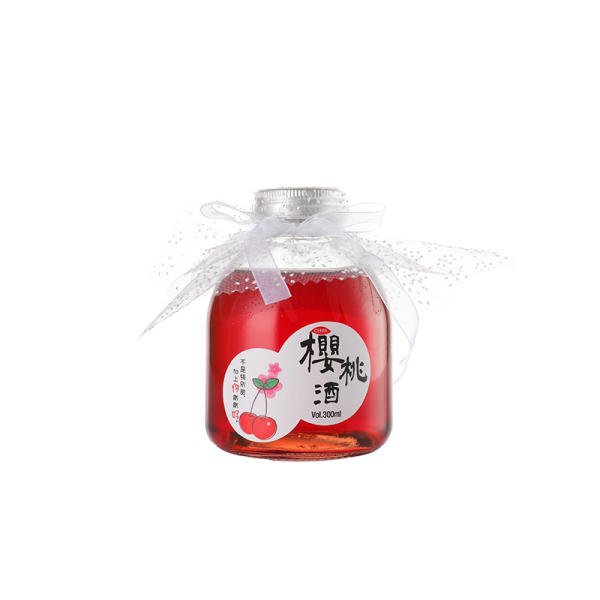
Fruit sake is a sake based wine with a variety of fresh water concentrated juice, which has a unique taste.
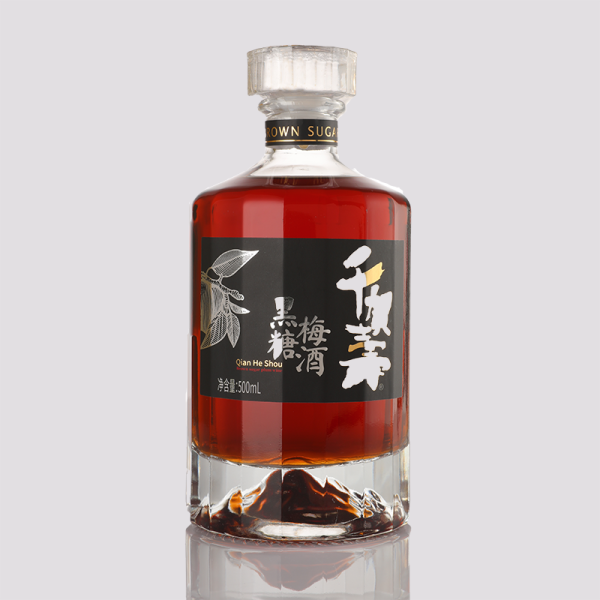
Brown sugar plum wine is a type of liquor made by blending sake as the base wine with green plum juice, black sugar and edible alcohol.
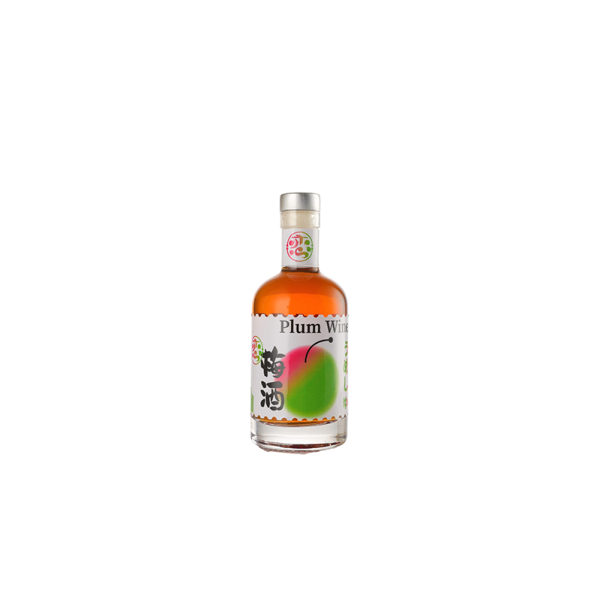
Umeshu is a type of liquor made by blending sake as the base wine with green plum juice, white sugar and edible alcohol.
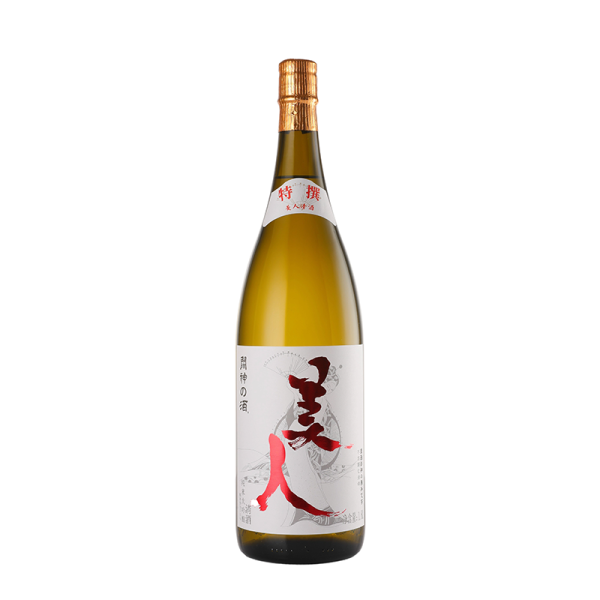
Sake is a traditional Japanese alcoholic beverage. Characterized by its clear appearance, crisp taste, and subtle aroma.