
Customized Sauce Expert
Home / All / Custom Japanese Seasonings / Custom Mirin Series / Custom Hon Mirin Manufacturer for Retail | Food Service & Private Label Brands Hon Mirin | Wholesale Japanese Seasoings
Custom Hon Mirin Manufacturer for Retail | Food Service & Private Label Brands Hon Mirin | Wholesale Japanese Seasoings
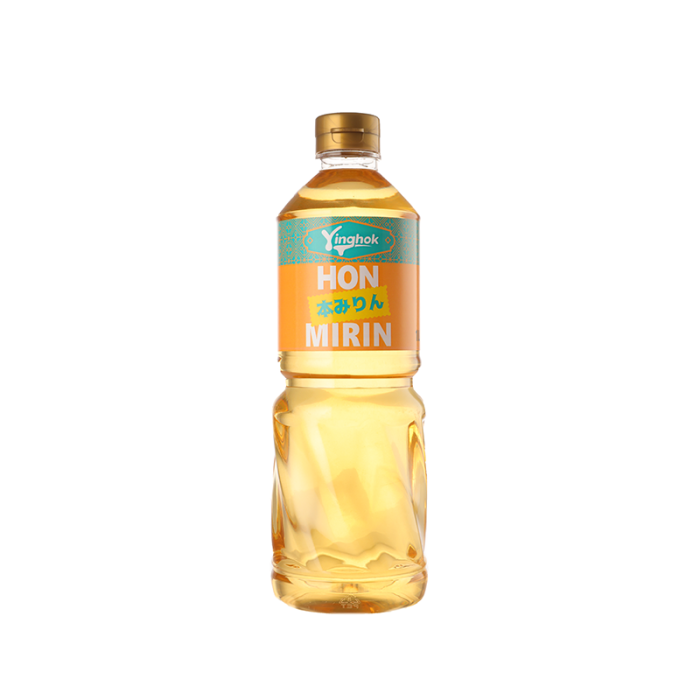
| Share | |
|---|---|
| Categories | Custom Mirin Series |
| Brand | Yinghok Food & Beverage Wholesale Manufacturer |
| Model | KS-TL-01 |
| Bix | 33/38/44/46 |
| Alcohol content | 13.5%vol / 10.5%vol / 8%vol |
| Shelf life | 24 months |
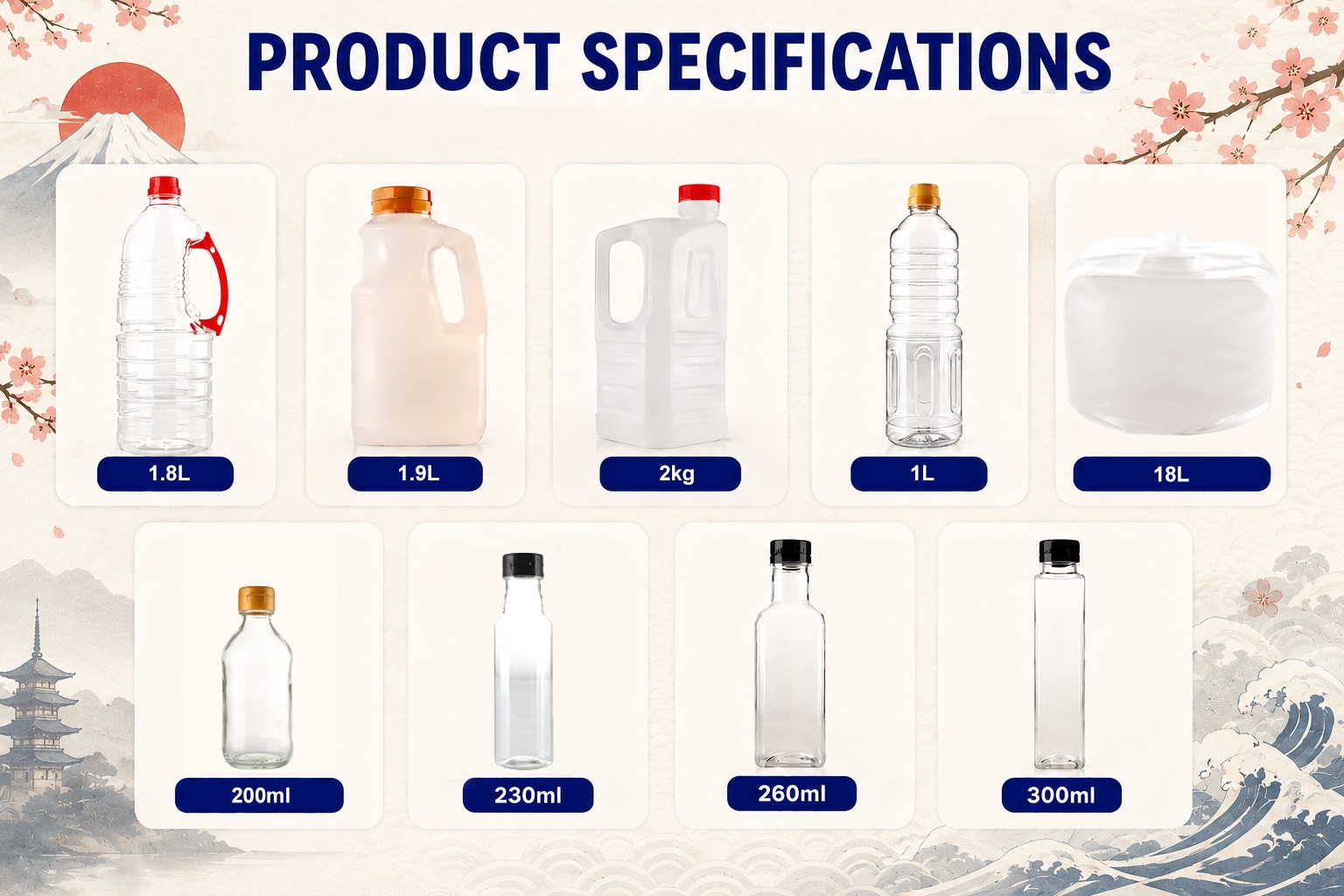
| Available sizes | 180ml,200ml,230ml,260ml,300ml,450ml,1L,1.75L,1.8L,2kg,1.9L,18L |
| Storage conditions | Store in a cool, dry place away from light. |
| FOB port | Dalian Port |
| Terms of Payment | T/T |
| Download |  |
Detail Information
What are the Unique Features of YINGHOK Hon mirin?
Hon mirin is a commonly used seasoning in Japanese cuisine, belonging to brewed condiments. With a sweet and mellow taste and a viscous body, it is often used to enhance flavor and aroma. It is one of the core seasonings in Japanese cooking, and is known as one of the "Three Essential Japanese Seasonings" together with soy sauce and miso.
It has strict quality control, having passed multiple certifications(FDA,BRCGS, etc) and being guaranteed by an advanced production line in terms of quality.
Raw Materials and Production Process
A sweet seasoning with alcohol content, formed by saccharification and fermentation of glutinous rice followed by the addition of edible alcohol. Glutinous rice is used as the raw material for saccharification and fermentation because of its high saccharification rate and the unique rice aroma characteristic of glutinous rice.
Commercial Applications of Hon Mirin
Our Hon Mirin is widely used across Japanese food service and food manufacturing applications:
• Teriyaki Sauce Production
• Ramen Soup Bases
• Sushi Sauce & Unagi Sauce
• Yakitori Glazing
• Simmered Japanese Dishes
• Marinades for Seafood & Meat
• Japanese Ready Meals
• Frozen Food Manufacturing
• Central Kitchen Production
Suitable for restaurants, chain foodservice brands, food factories and retail seasoning brands.
Flavor and Characteristics
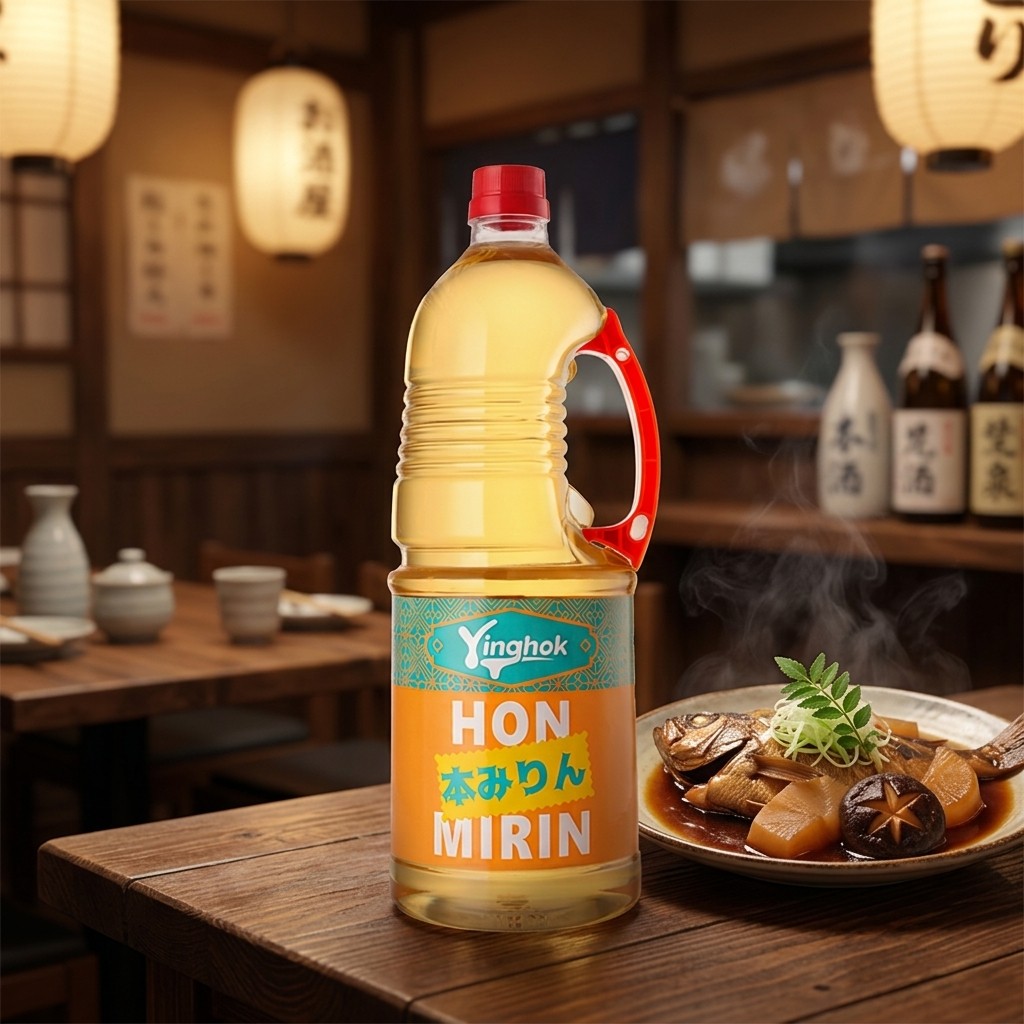
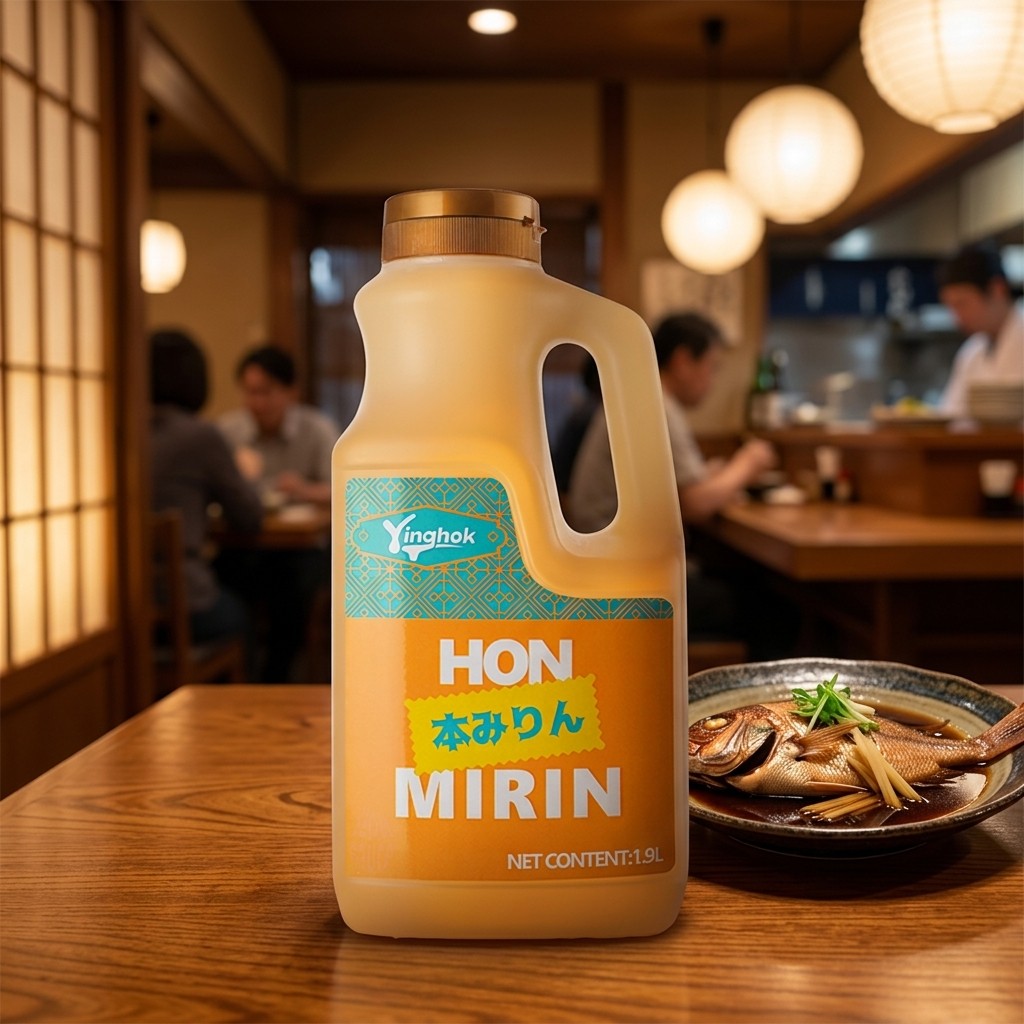
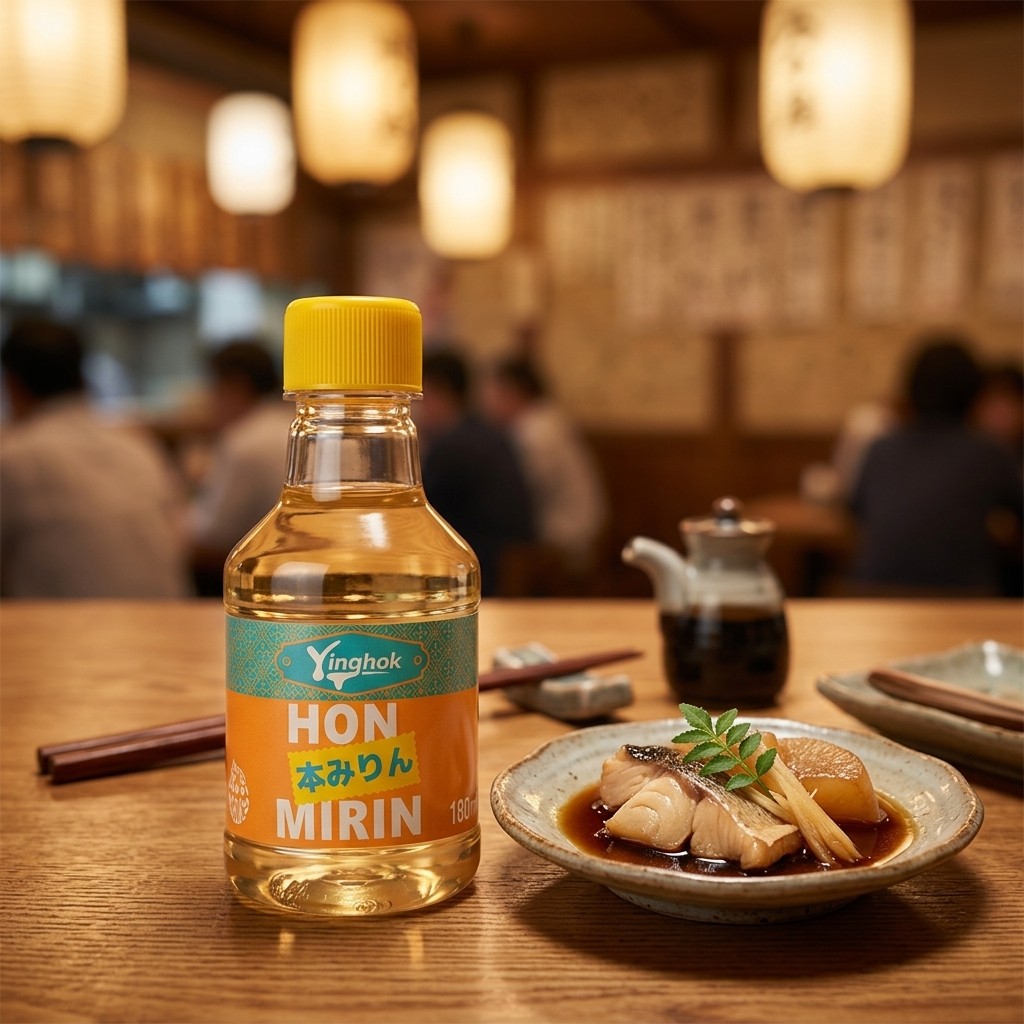
Taste:
With a high sweetness (sugar content about 30%-50%), viscous texture, and a gentle alcoholic aroma.
Functions:
Neutralize the fishy or gamy odor of ingredients (e.g., fish, meat);
Enhance the gloss and viscosity of dishes (e.g., teriyaki sauce, simmered dishes);
Balance saltiness and soften the taste (e.g., dressings, marinades).
What are the classifications of YINGHOK Hon Mirin?
1) Classification by time:
New Mirin : Hon mirin pressed in the current year, characterized by a fresh and light sweetness. It has a pale yellow color.
Aged Mirin : Hon mirin stored for 2 years or more. It is notable for its rich aroma, deeper rice fragrance, and mellow taste, with a reddish-brown color.
2) Classification by sugar content:
According to different uses, it can be divided into Honmirin with high, medium and low sugar content.
- Hon mirin 33: Sugar content 33%, alcohol content 13.5%
- Hon mirin 44: Sugar content 44%, alcohol content 13.5%
- Hon mirin 46: Sugar content 46%, alcohol content 13.5%
3) Classification by alcohol content: Alcohol content can also be adjusted according to different uses.
Hon mirin 38: Sugar content 38%, alcohol content 10.5%
8-degree Hon mirin: Sugar content 33%, alcohol content 8%
4) Custom-blended Honmirin:
Formulated specifically for certain food enterprises or distributors based on their special requirements.
How To Use YINGHOK Hon Mirin?
Naturally brewed for authentic Japanese flavor, YINGHOK Hon Mirin adds delicate sweetness, enhances umami and creates a glossy finish in cooked dishes. It is widely used in teriyaki, sukiyaki, yakitori, ramen soups, seafood and meat marinades, simmered dishes, sushi rice and other traditional Japanese recipes. Suitable for restaurants, food manufacturers and private label applications.
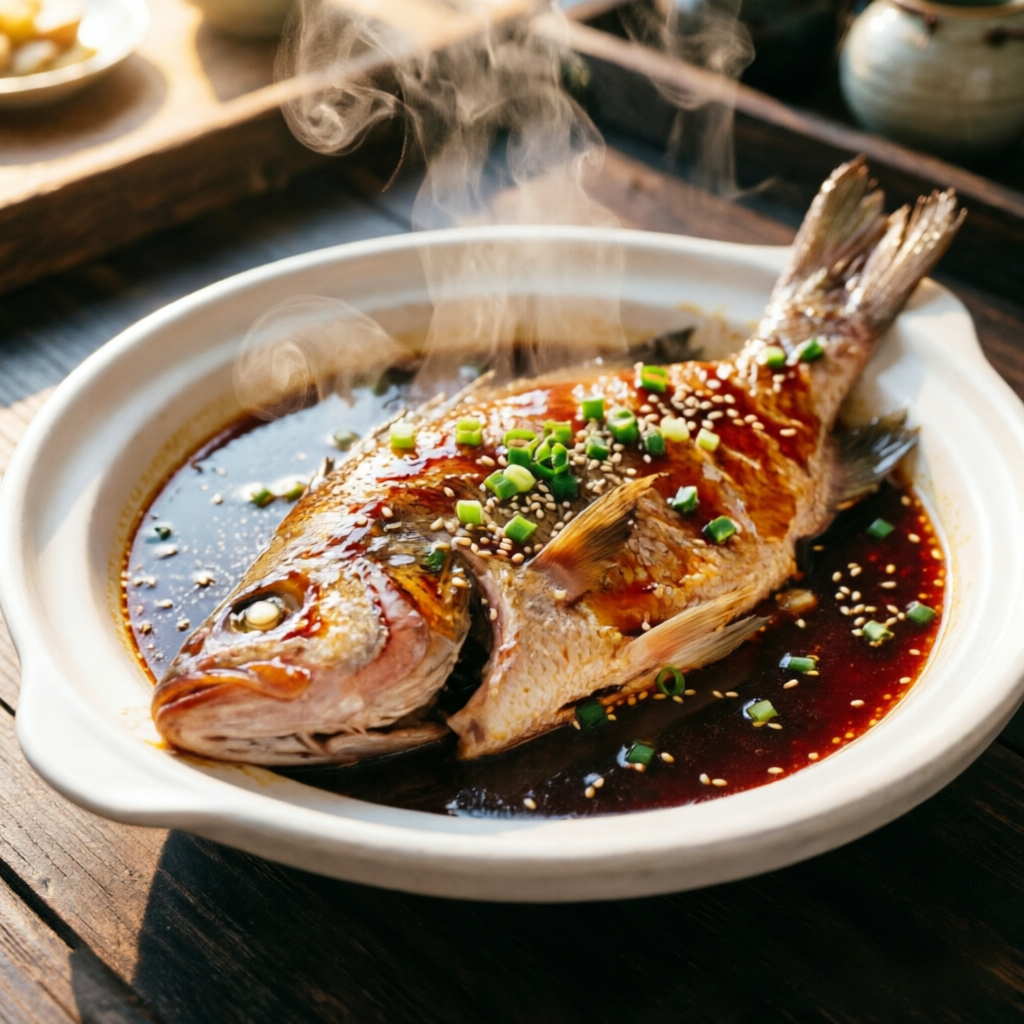
What are the differences between Hon mirin and Cooking wine ?
ITEM | HON MIRIN | COOKING WINE | ||
| Raw Materials & Brewing Process | Mainly made from glutinous rice, water, rice koji and edible alcohol | Mainly made from rice,rice koji and water. The fermentation process is the same as that of sake, but the physical and chemical indicators are different. | ||
| Taste & Flavor | Sweet, rice & wine aroma | Winey, spicy, aromatic | ||
| Culinary Uses & Scenarios | Japanese, sweet Chinese dishes | Chinese home cooking, meat/seafood | ||
Primary Functions | Sweeten, freshen, tenderize | Deodorize, degrease, enhance aroma | ||
Versatile Packaging Solutions for Retail & Food Service
We provide customized packaging and concentration options tailored for both retail distribution and food service operations.Whether you are building a consumer brand or supplying restaurants, our solutions ensure efficiency, consistency, and scalability.
Why Importers Choose Our Hon Mirin
✔ Authentic Japanese Style Formula
✔ Consistent Quality Across Every Batch
✔ Flexible OEM & Private Label Solutions
✔ Retail & Food Service Packaging Options
✔ Free Samples for Evaluation
✔ Stable Supply Capacity From Multiple Manufacturing Bases
✔ Export Experience Across Europe, North America, Southeast Asia and Middle East Markets
Hon Mirin FAQs
How long is the shelf life of Hon Mirin ?
24 months. After opening, store it in the refrigerator and avoid direct sunlight.
What are the common uses of Hon Mirin?
Sauce Preparation: e.g.Teriyaki sauce ,Unaju sauce
Simmered Dishes: e.g.Tsukudani (simmered small fish),Oden (Japanese simmered dishes
Grill Marination: e.g. Grilled eel (unagi),Yakitori (grilled chicken skewers)
Soups and Steamed Dishes: e.g.Chawanmushi (Japanese steamed egg custard, Miso soup
At which stage of cooking should they be added?
Recommended to add during the final stages of cooking (e.g., when reducing sauce or just before serving).
Reason:Extended high heat causes alcohol to evaporate, diminishing the fermented aroma and sweetness.
Is the quality of bulk wholesale orders consistent with the free sample?
Absolutely. We strictly follow the same production standards, raw material specifications and quality control processes for samples and bulk orders. If you find quality discrepancies, contact our after-sales team for a solution within 7 business days of receipt.
Review
- 加载中···
Please send your message to us
- Name
- *Phone
- *Title
- *Content
subscription