How to Store Japanese Seasonings for Year-Round Cooking: Yinghok Expert Advice
Japanese cuisine is renowned for its rich flavors, exquisite balance, and authentic ingredients. Seasonings such as soy sauce, miso, mirin, sake, rice vinegar, and various spice blends are at the heart of this culinary tradition. Properly storing these essential Japanese seasonings ensures their flavor, aroma, and shelf life remain consistent throughout the year. Yinghok understands the importance of maintaining the authenticity and quality of ingredients in the kitchen, so we have carefully compiled this comprehensive guide on how to effectively store Japanese seasonings for the long term.
Understanding the Shelf Life of Japanese Seasonings
Before exploring the best storage methods, it is essential to understand the shelf life of common Japanese seasonings. Each product has its unique characteristics—some naturally have a long shelf life due to fermentation, while others require more careful handling after opening.
Soy Sauce: One of the most shelf-stable Japanese seasonings. Unopened soy sauce, if stored properly in a cool, dry place, can maintain its excellent quality for 2-3 years. Even after opening, its high salt content helps maintain flavor and prevent spoilage, but its aroma and color may gradually change over time.
Miso paste: Due to natural fermentation, it has a relatively long shelf life. Unopened canned or packaged miso can be stored for up to two years. After opening, refrigeration helps maintain its freshness, preserving its flavor for 6 months to 1 year. Darker-colored miso tends to have a longer shelf life due to its higher salt content.
Honmi-rin: Unopened rin is very stable and typically has a shelf life of 1-2 years. After opening, to maintain its delicate sweetness and aroma, it is best consumed within 6 months. Low-alcohol mirin-type condiments may have a shorter shelf life.
Sake (cooking sake): Similar to mirin, unopened cooking sake is best consumed within 1-2 years. After opening, its aroma and flavor will gradually diminish, but if properly sealed and stored, it can still be consumed for 6-12 months.
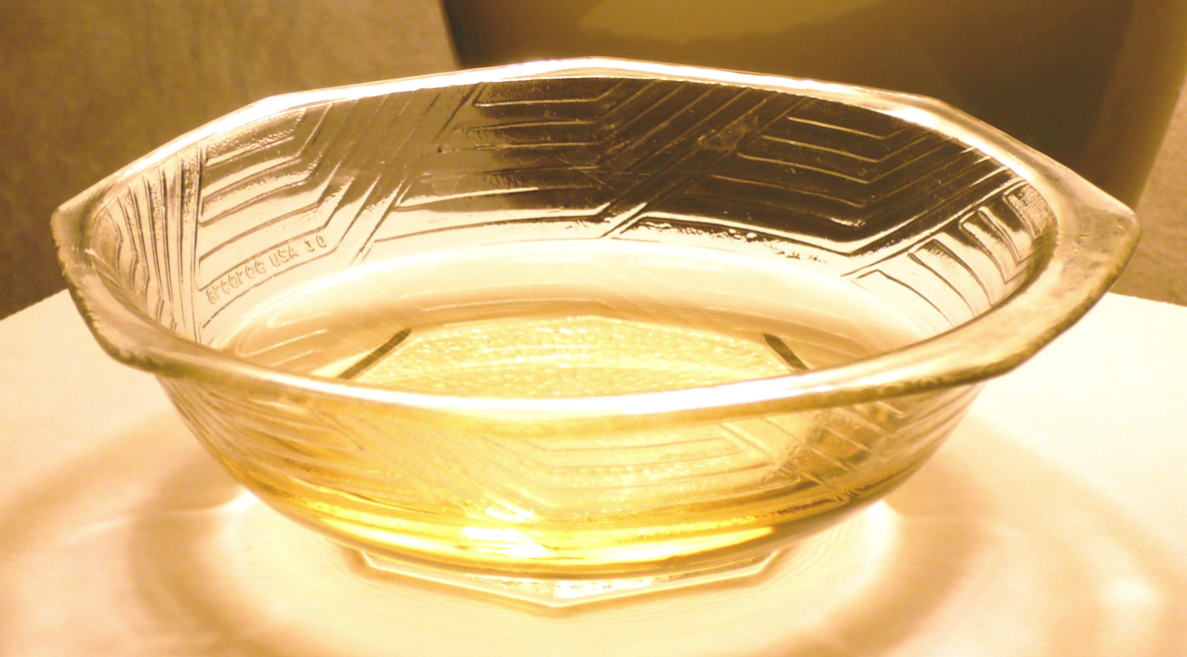
Rice vinegar: Due to its acidity, it has an extremely long shelf life. As long as it is stored properly, avoiding direct sunlight and high temperatures, its shelf life is virtually indefinite, although its flavor may slightly diminish over time.
Other spice and seasoning mixtures: such as rice seasoning, shichimi tori (seven-spice powder), and Japanese curry powder, can generally be stored for 1-3 years, depending on the ingredients and whether they contain dried seafood or seaweed. Their flavor may gradually weaken, so airtight storage is recommended.
Optimal Storage Conditions for Japanese Seasonings
Proper storage not only extends the shelf life of Japanese seasonings but also helps maintain their aroma, flavor, and overall quality. The following guidelines ensure that each seasoning retains its original characteristics for as long as possible.
1. Store in a cool, dark place
Japanese seasonings are very sensitive to external factors such as heat, light, and humidity. Direct sunlight accelerates oxidation, leading to color changes, aroma loss, and flavor deterioration.
All condiments—soy sauce, mirin, sake, miso, and spices—should be stored in a cool, dry place, such as a pantry or cupboard. If you have a basement or cellar, these naturally cool spaces are ideal for long-term storage. Keeping condiments away from stovetops or ovens also helps prevent unnecessary heat exposure.
2. Maintain a Constant Temperature
Temperature stability is crucial for maintaining the quality of fermented and delicate condiments. The ideal storage temperature should be maintained between 10°C and 21°C (50°F to 70°F).
Temperature fluctuations can cause condensation inside jars, introducing moisture that promotes microbial growth, mold formation, or dilutes liquid condiments. A stable environment helps maintain the integrity of ingredients like soy sauce and miso, which are particularly sensitive to temperature changes.
3. Control Humidity
High humidity poses a significant threat to dried condiments and fermented products. Excess moisture can cause spice mixtures to clump, miso to mold, or liquid condiments to undergo unwanted fermentation changes.
To prevent this: Always seal the bottle, jar, or container tightly after each use.
Use airtight storage boxes to protect spice packets.
It is recommended to place a desiccant, such as silica gel, in the storage area to help absorb excess moisture.
Maintaining low humidity ensures spices retain their aroma and fluidity, while fermented products retain their original flavor.
4. Choosing the Right Container
Choosing the right container is crucial for preserving flavor and preventing contamination.
Soy sauce, mirin, and sake: Use airtight glass bottles or jars, as glass does not react with acids or alcohol. Dark-colored glass bottles or jars are more effective at preventing these liquids from being exposed to light.
Miso paste: Store it in a ceramic or glass container with an airtight lid. These materials prevent odors and moisture from affecting the miso fermentation process.
For rice vinegar and other acidic condiments: Avoid using metal containers, as acids can corrode metal, causing quality and safety issues.
For blended spices and seasonings: Choose airtight, light-proof containers to block light and prevent oxidation. This helps retain the aroma and vibrant color of the spices.
Special Storage Methods for Major Japanese Seasonings
A. Soy Sauce: A Paragon of Umami Enhancer
Soy sauce is a fermented product and requires proper storage to maintain its umami flavor.
- Unopened soy sauce can be stored at room temperature in a cool, dry pantry.
- Once opened, the bottle should be refrigerated to prevent oxidation and preserve flavor.
- Use dark glass bottles to protect from light and always seal tightly after each use.
- Stir or shake before pouring to redistribute any sediment.
B. Miso Paste: The Heart of Japanese Soups and Marinades
Miso is a fermented soybean paste that develops a complex flavor over time.
- Unopened miso should be stored in a cool, dry place; once opened, it should be refrigerated immediately.
- Use airtight ceramic or glass containers to prevent contact with air.
- Use a clean spoon to scrape off any mold or discoloration from the surface—while mold is rare, it can develop if exposed to air for too long.
- For long-term storage, consider freezing small quantities of food in airtight containers to extend shelf life.
C. Mirin and Sake: Sweet Rice Wines for Cooking and Drinking
Mirin and sake are fermented beverages used in cooking, pickling, and sometimes drinking.
- Unopened bottles should be stored in a cool, dark place.
- Once opened, refrigerate to prevent spoilage.
- Ensure the bottle is tightly sealed after each use.
- For long-term storage, it is recommended to aliquot and freeze to prevent flavor deterioration.
D. Rice Vinegar: Versatile Acidity
Rice vinegar has an indefinite shelf life when stored properly.
- Store this product in an airtight, light-proof bottle, away from heat and light.
- Store in a cool, dark place; refrigeration is not necessary, but it can extend the clarification period and prevent sediment formation.
E. Spices and Seasonings: Instant Flavor Enhancement
- Store mixed spices in airtight, opaque containers.
- Keep away from heat, light, and moisture.
- Use within 1-2 years to maintain optimal freshness.
- For frequent use, consider using small, airtight containers to minimize contact with air.
More Tips for Maintaining the Quality of Japanese Seasonings
Label the opening date on all containers.
Keeping a record of the first opening date of seasonings helps you monitor their freshness and use them within their optimal shelf life. This is especially important for products like miso, soy sauce, and mixed spices, as their flavor will gradually diminish even if they are still safe to eat.
Use clean utensils each time.
Avoid immersing used spoons or chopsticks directly into containers. Oils, moisture, or food residue can accelerate spoilage, promote bacterial growth, and alter the original flavor of the seasoning. Always use clean, dry utensils to maintain purity and prevent cross-contamination.
Regularly check for signs of spoilage.
Even long-shelf-life seasonings can spoil over time. Observe for changes in appearance and sensory characteristics, such as mold formation, off-odors, cloudiness, or abnormal discoloration. These signs usually indicate oxidation, contamination, or microbial activity.
Assess the quality of ingredients before cooking.
If you are unsure whether an ingredient is fresh, take a small sample and smell or taste it. This quick check helps avoid adding spoiled or stale ingredients to dishes, ensuring the final dish has an authentic and safe flavor.
Freezing extends shelf life
For less frequently used seasonings such as miso or mirin, dividing them into small portions and freezing them can significantly extend their shelf life. Freezing slows down oxidation and fermentation, allowing you to enjoy consistent flavor for a longer period. Always ensure containers are tightly sealed to prevent freezing damage and moisture absorption.
Conclusion: Mastering the Art of Japanese Seasoning Storage at Yinghok
Properly storing Japanese seasonings is crucial for maintaining their authentic flavor and ensuring delicious meals year-round. Storing seasonings in a cool, dry, and stable environment, choosing suitable containers, and employing appropriate storage methods for each ingredient can significantly extend their shelf life while preserving optimal freshness and aroma.
At Yinghok, we are dedicated to helping home cooks, restaurants, and food producers preserve the quality of Japanese seasonings. Our innovative storage solutions and expert guidance empower you to confidently manage, store, and use your seasonings. By following these best practices, you can ensure that every dish retains its rich, traditional flavor—just as it should.
Transform your kitchen into a true Japanese flavor paradise—trust Yinghok for precise and professional storage solutions. Contact us today to enhance your seasoning storage experience and make every meal richer and fresher.
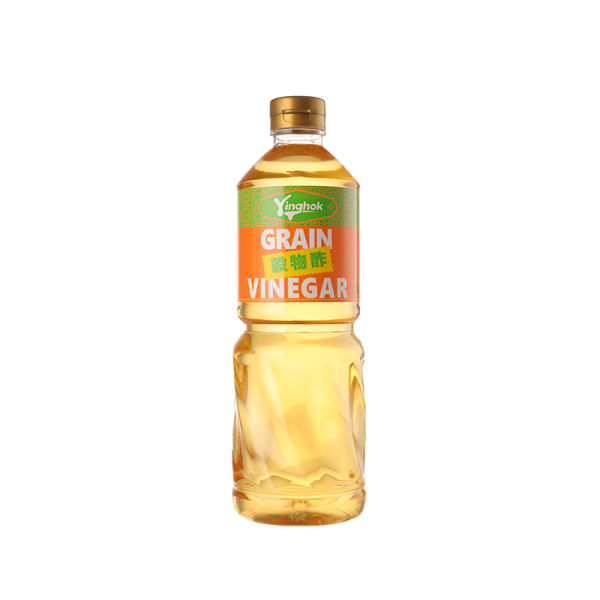
Grains Sour Liquid Seasoning is a fermented edible vinegar with mellow sourness and grain fragrance, a traditional condiment widely used globally.
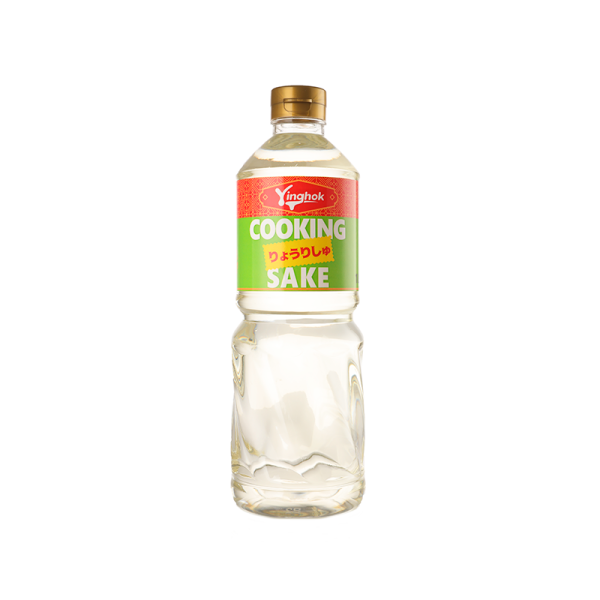
Cooking Wine , also known as Cooking Sake , is a seasoning wine with a taste and characteristics similar to sake.
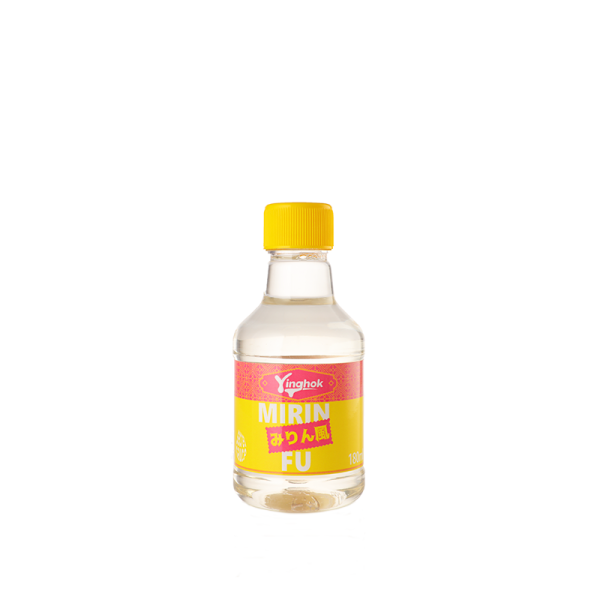
Cooking Wine , also known as Cooking Sake , is a seasoning wine with a taste and characteristics similar to sake.
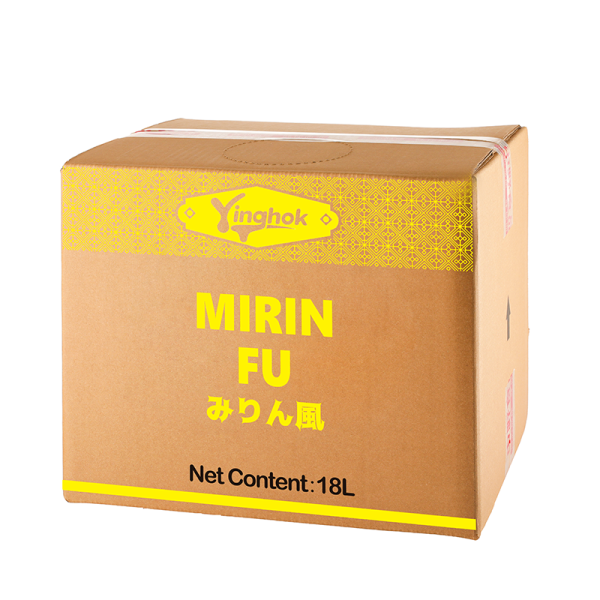
Cooking Wine , also known as Cooking Sake , is a seasoning wine with a taste and characteristics similar to sake.