How to Customize Japanese Seasonings from Renowned Manufacturers to Your Taste: Yinghok's Ultimate Guide
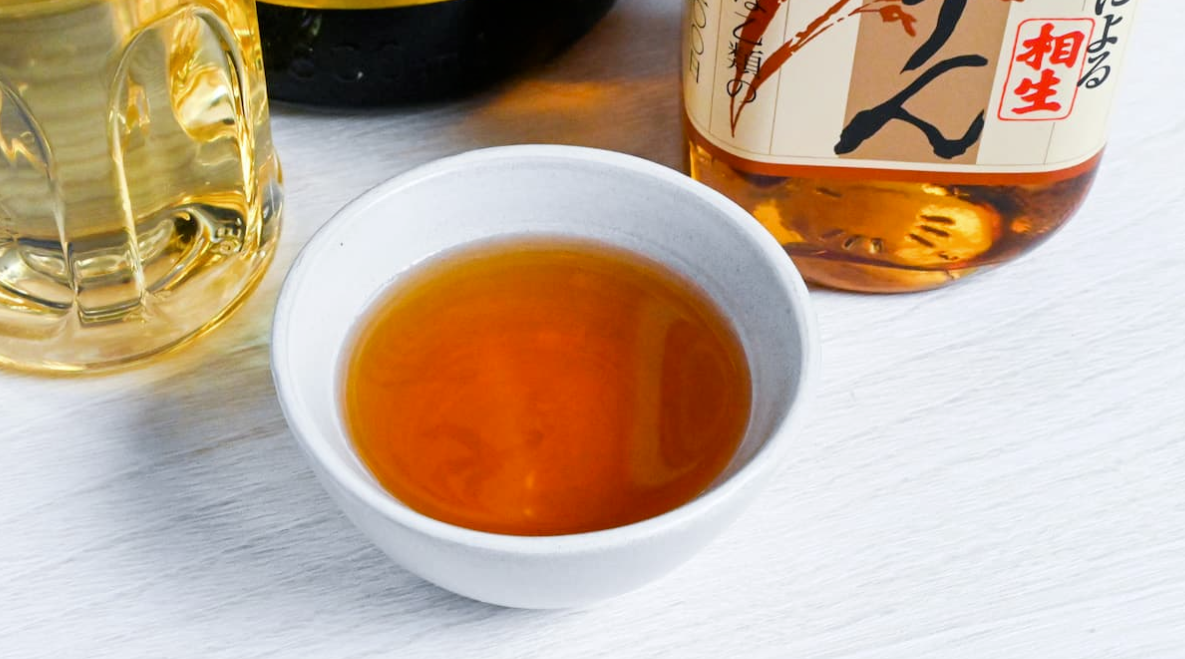
Japanese cuisine is renowned worldwide for its delicate balance between umami, rich savory flavors, and subtle sweetness. The essence of authentic Japanese cuisine lies in the careful selection and skillful use of seasonings. Whether you are a professional chef or a cooking enthusiast, understanding how to tailor top-quality Japanese seasonings to your personal taste is crucial for creating amazing dishes.
At Yinghok, we are dedicated to providing cooking enthusiasts and professionals with comprehensive insights into customizing Japanese seasonings. This comprehensive guide delves into the nuances of Japanese seasonings, the products of major manufacturers, and precise techniques for adjusting and enhancing flavors to your unique palate.
Understanding Japanese Seasonings
Japanese seasonings are characterized by their rich layers of umami and balanced flavors. Key ingredients include soy sauce, miso, dashi (broth), mirin, sake, rice vinegar, and seaweed extract. Each seasoning plays a vital role in creating authentic Japanese dishes such as ramen, sushi, and tempura.
Leading Japanese seasoning manufacturers, such as Kikkoman, Yamasa, Marukin, and Mikan, offer a wide variety of products, laying the foundation for customized flavors. These brands are renowned for their high-quality ingredients, traditional fermentation processes, and innovative flavors.
The Importance of Customized Japanese Seasonings
Authentic Japanese seasonings—such as soy sauce, miso, mirin, sake, and dashi—form the cornerstone of Japanese cuisine. However, customization allows these traditional base seasonings to go beyond standard recipes, helping chefs, food manufacturers, and culinary innovators create flavors more suited to specific dishes, markets, and consumer preferences.
1. Enhancing the Harmony of Dishes
Personalization enables precise flavor balance. By fine-tuning the saltiness, sweetness, sourness, and umami, seasonings can complement rather than mask the natural flavors of ingredients. For example, a light soy sauce can enhance the flavor of fresh seafood, while a rich, umami-rich soy sauce is better suited for grilled meats or ramen broth. This balance ensures that every component of a dish coexists harmoniously.
2. Adapting to Dietary Restrictions and Health Trends
Modern consumers increasingly demand healthier, more inclusive options. Customized Japanese seasonings can reduce sodium content, remove allergens, adjust sugar levels, or develop gluten-free and vegan recipes while maintaining authentic flavor. This flexibility is especially important for restaurants, food service providers, and packaged food brands targeting diverse markets.
3. Creating Unique Culinary Characteristics
Personalized seasonings help create a distinctive flavor profile. Whether it's signature kiyaki sauce, regional miso, or an exclusive ramen broth, customization helps chefs and brands stand out in a competitive market. These unique flavor characteristics can be key factors in brand awareness and customer loyalty.
4. Blending Tradition with Modern and Fusion Cuisine
Customized Japanese seasonings blend tradition with innovation. By adjusting flavor intensity or cleverly incorporating elements from other cuisines, traditional Japanese seasonings can be perfectly applied to modern, Western, or fusion dishes. This adaptability fosters menu innovation while preserving the essence of Japanese culinary philosophy.
How to Customize Japanese Seasonings from Reputable Manufacturers to Personalize Your Taste – A Step-by-Step Guide
Customizing Japanese seasonings is a systematic process that combines high-quality base ingredients with precise sensory evaluation and controlled adjustments. Partnering with reputable manufacturers ensures seasoning consistency, food safety, and authentic flavor.
1. Choosing the Right Base Seasonings
Customization begins with selecting high-quality base products, as the quality at this stage determines the final result.
• Soy Sauce: Light soy sauce has a lighter flavor and a more pronounced saltiness; dark soy sauce has a darker color and a richer flavor; while tamari soy sauce has a stronger umami flavor and a lower wheat content. The choice of soy sauce depends on the desired intensity of the dish and dietary needs.
• Miso Paste: White miso provides a subtle sweetness and delicate umami, red miso has a richer fermented flavor, and blended miso combines characteristics of both. Choosing the right miso determines the flavor profile early on.
• Dashi (Stock): High-quality instant or powdered broth ensures a consistent flavor, while traditional kelp and bonito flakes maximize aroma and umami – ideal for sophisticated or specialty recipes.
• Mirin and Sake: Authentic mirin imparts a natural sweetness and luster to the sake, while sake softens its sharpness and enhances its aroma. These ingredients work together to create a richer, fuller flavor.
2. Tasting and Analyzing the Base Flavor
Sensory evaluation is essential before making any modifications.
• Assess salinity to determine if dilution or reduction is needed.
• Determine umami intensity to identify enhancement potential.
• Test the balance of sweetness and acidity.
• Assess the aroma, sensing its freshness and degree of fermentation.
• This analysis prevents over-adjustment and ensures targeted customization, rather than guesswork.
3. Adjusting Saltiness and Umami
Precise control of salt and umami determines the quality of Japanese seasonings.
• Saltiness Adjustment: Diluting soy sauce with filtered water reduces saltiness, while low-sodium soy sauces from reputable manufacturers (such as Kikkoman and Yamasa) maintain flavor integrity without increasing salt content.
• Umami Enhancement: Natural umami enhancers, such as shiitake mushroom powder, kelp extract, or fermented ingredients like miso, can deepen flavor complexity without artificial additives.
4. Balancing Sweetness and Acidity
Sweetness and acidity work together to create overall harmony.
• Sweetness Control: Mirin, honey, or natural sweeteners can add layers of flavor, while sugar substitutes help achieve low-sugar or health-oriented recipes.
• Acidity Control: Rice vinegar or citrus juice can brighten intense flavors, while fermented rice provides a mellow, layered acidity, suitable for sauces and marinades.
5. Infusing Aroma and Flavor Depth
• Aroma elevates seasonings from functionality to a memorable level.
• Fresh spices like ginger, garlic, and scallions add warmth.
• Toasted sesame oil enhances nutty notes.
• Yuzu peel brings a delicate citrus aroma, often used in fine Japanese cuisine.
These elements create a multi-sensory experience that transcends basic taste.
6. Customized Blending Techniques
• Blending can unlock unique flavors.
• Soy sauce blended with miso produces a rich, layered umami flavor.
• Kongfu powder paired with kombu slices enhances the complexity and clarity of the broth.
• Hydrangeas like shichimi togarashi provide controlled spiciness and complex flavors.
At this stage, the brand's or chef's unique identity is established.
7. Testing and Continuous Improvement
• Final refinement ensures consistency and scalability.
• Test seasonings in small dishes before using them on a larger scale.
• Let them sit for a moment to allow the flavors to fully meld.
• Adjusting Seasonings Gradually Based on Dish Type, Cooking Method, and Target Audience
Repeated testing transforms customized seasonings into reliable, repeatable solutions.
Advanced Techniques for Customizing Japanese Seasonings
Utilizing Modern Technology
- Slow-cooking Infusion: Using a slow-cooking method maximizes the extraction of flavor from herbs and spices into the seasoning.
- Fermentation Control: By controlling fermentation time, a deeper umami flavor and more complex aroma are developed.
- Dehydration and Powdering: The infused liquid is converted into powder for easier mixing and extended shelf life.
Considering Regional and Seasonal Differences
- Adjusting seasonings according to seasonal ingredients (such as fresh yuzu or seasonal herbs).
- Using local specialties from regions like Kyushu or Kanto is essential for experiencing authentic regional flavors.
Utilizing Yinghok's Expertise and High-Quality Ingredients
Yinghok supplies top-quality ingredients and specialty seasonings, making it ideal for customized dishes. Our carefully selected products ensure consistent quality, allowing you to precisely adjust the flavor.
Safety and Storage Precautions
- Always store homemade seasonings in airtight containers and avoid direct sunlight. • Use clean utensils to prevent contamination.
- Label mixtures with dates and ingredients for easy freshness tracking.
- Pay attention to allergen information, especially when adding ingredients like seafood or nuts.
Master the Ultimate Secret to Customizing Japanese Seasonings
- Start small: Adjust gradually, avoiding overdoing it.
- Keep a record of your recipes: Record proportions and preparation methods in detail.
- Taste frequently: Constant tasting ensures you stay aligned with your taste goals.
- Balance is key: Strive for a harmonious balance of salty, sweet, sour, and umami flavors.
- Be bold: Don't hesitate to experiment with unconventional ingredients to create unique flavors.
Conclusion: Elevate Your Culinary Skills with Yinghok
Mastering how to customize Japanese seasonings to suit different manufacturers' tastes unlocks endless culinary possibilities. By understanding core ingredients, analyzing fundamental flavors, and making precise adjustments, chefs and home cooking enthusiasts alike can create signature dishes that are both authentic and personal.
Yinghok is committed to providing high-quality ingredients and professional guidance to help you innovate in the world of seasonings. This guide details a variety of cooking techniques to help you elevate Japanese cuisine to a whole new level, ensuring that every dish becomes a harmonious symphony of flavors.
Unleash the full potential of Japanese seasonings—start your culinary journey of excellence with Yinghok.
Contact our team to explore seasoning solutions tailored to your specific needs.
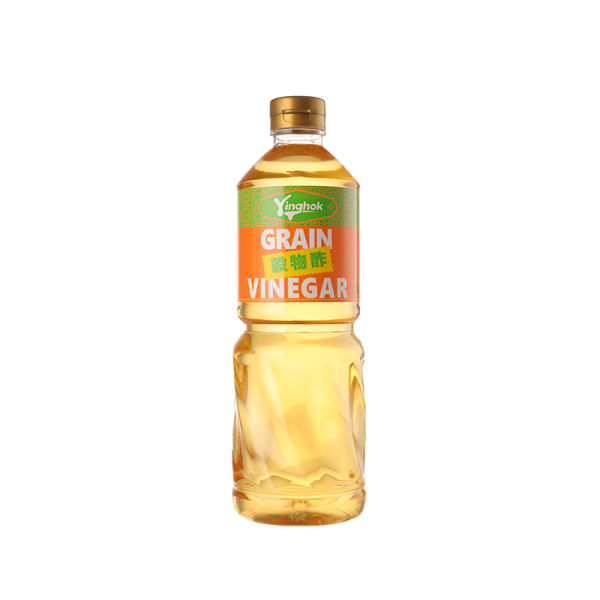
Grains Sour Liquid Seasoning is a fermented edible vinegar with mellow sourness and grain fragrance, a traditional condiment widely used globally.
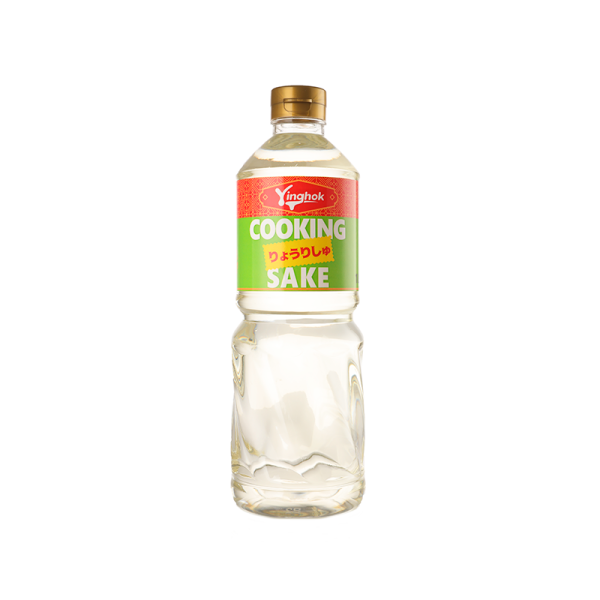
Cooking Wine , also known as Cooking Sake , is a seasoning wine with a taste and characteristics similar to sake.
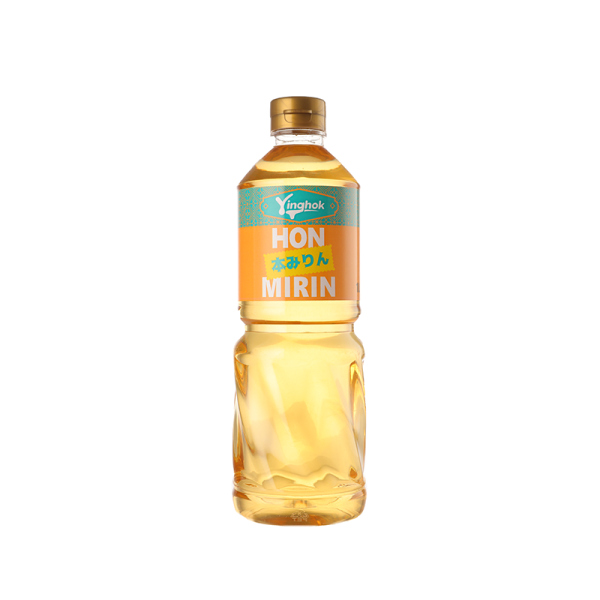
Hon mirin Supplier | Wholesale Japanese Seasoings | OEM & ODM Services Available | Supermarket Usage
Japanese Seasonging, sweet rice wine, perfect for elevating savory dishes with a balanced sweetness and delicate fragrance.
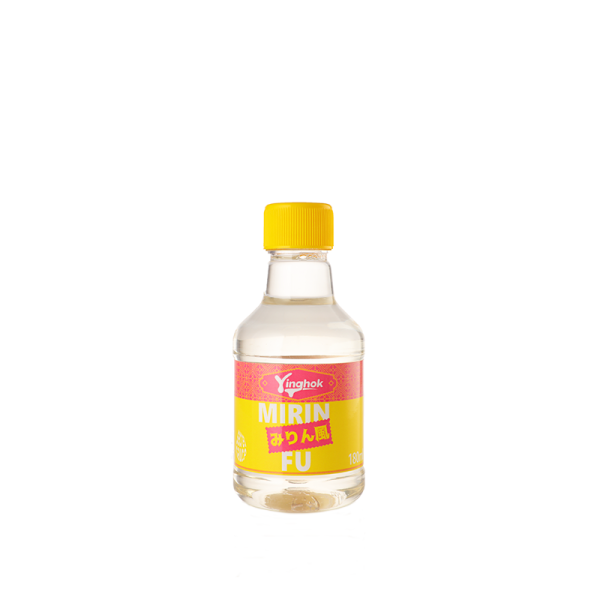
Cooking Wine , also known as Cooking Sake , is a seasoning wine with a taste and characteristics similar to sake.