How to Choose the Perfect Sake and Fruit Wine for Every Occasion

Choosing the right sake and fruit wine can enhance any occasion, from a cozy gathering to a grand celebration. At Yinghok, we understand that the right beverage not only complements the food but also elevates the overall experience. Whether you're an experienced connoisseur or a curious beginner, our comprehensive guide provides the knowledge you need to make informed choices for different occasions.
Understanding the Diversity of Sake and Fruit Wine
Sake and fruit wine have a long history, rich traditions, and complex flavors. They come in wide varieties, making it essential to understand their fundamental differences, brewing methods, and unique characteristics.
Sake: The Art of Fermentation
Sake, often called rice wine, is brewed through a meticulous fermentation process using polished rice, water, yeast, and koji mold. The quality of sake depends on various factors, such as the rice-to-sake ratio, fermentation time, and the mineral content of the water. Sake can be categorized into several types—Junmai, Ginjo, and Daiginjo—each with its own unique flavor profile, ranging from rich and full-bodied to delicate and fragrant.
Fruit Wine: A Fusion of Tradition and Innovation
Japanese fruit wines are fermented from local fruits such as yuzu, plum, cherry, and cherry. These fruit wines blend sake with concentrated fruit juice, resulting in a diverse range of flavors, from sweet and fruity to dry and complex. They are highly praised for their versatility and perfect pairing with various dishes.
Key Factors in Choosing the Ideal Japanese Sake and Fruit Wine
Selecting the ideal Japanese sake or fruit wine is both an art and a sensory experience. Whether for personal enjoyment, food pairing, retail selection, or private label sourcing, understanding the core elements behind flavor, occasion, food pairing, and quality is crucial. By carefully considering these factors, buyers and consumers can ensure a refined drinking experience that fully showcases the exquisite craftsmanship and cultural heritage behind each bottle.
1. Flavor and Aroma Characteristics
Japanese Sake Japanese sake boasts a rich and diverse range of flavors and aromas, thanks to the precise rice milling ratio, fermentation methods, and brewing philosophy.
Ginjo and Daiginjo sake are light and aromatic, renowned for their elegant aromas, typically featuring floral, fruity, and melon-like notes. These sakes are best enjoyed chilled, making them ideal for upscale restaurants, formal occasions, or when a subtle, sophisticated atmosphere is desired.
Full-bodied Junmai sake offers a deeper, more complex flavor profile with a rich rice aroma. Its robust character makes it particularly suitable for pairing with savory dishes and for enjoying in cool weather. Slight heating reveals even more layers and complex flavors.
Some traditional sakes emphasize earthy, nutty, or grain flavors, pairing beautifully with rich dishes and flavorful sauces, enhancing the overall dining experience.
Fruit wines. Fruit wines are more approachable, versatile, and cater to a wider range of tastes.
2. Occasion and Serving Temperature
The appropriate serving temperature can significantly influence the perception of aromas and flavors, and the overall enjoyment.
Special Celebrations: Fine sake such as Daiginjo is best enjoyed slightly chilled to showcase its delicate aromas and enhance its flavor. Fruit wines with a balanced sweetness and acidity add elegance and freshness to celebrations and toasts.
Casual Gatherings: Light and easy-drinking sake can be served chilled or at room temperature, paired with snacks or light meals. Slightly chilled fruit wines create a relaxed social atmosphere.
Food-Centric Experiences: Temperature plays a crucial role in food pairings. Warm sake enhances umami and earthy notes, complementing grilled or stewed dishes beautifully; while chilled sake retains its delicate aromas, making it ideal for seafood and light dishes.
3. Food Pairing Compatibility
Japanese Sake Pairing
Light-bodied sake pairs perfectly with sashimi, sushi, tempura, and fresh salads.
Full-bodied sake complements grilled meats, aged cheeses, and slow-cooked dishes.
Aromatic ginjo and daiginjo sake elevate the quality of seafood dishes and delicate, light-flavored foods.
Fruit Wine Pairing
Yuzu and citrus wines add flavor to seafood dishes, salads, and light appetizers.
Plum and cherry wines pair well with grilled meats, cheese platters, and desserts.
4. Quality Indicators and Authenticity
Japanese Sake Quality Marks
Authentic Japanese sake should be clear and transparent, with a pure aroma and balanced taste. Terms such as "Junmai" (pure rice sake), or "Ginjo" on the label indicate specific brewing standards and craftsmanship, helping consumers judge quality at a glance.
Fruit Wine Authenticity
High-quality fruit wines are made from fresh, high-quality fruit with minimal additives. Certified organic or artisanal wine producers—such as select lines from renowned wineries—demonstrate careful selection of raw materials, strict control over the fermentation process, and consistent flavor quality.
How to Read Labels and Identify High-Quality Japanese Sake and Fruit Wine
Reading labels is crucial for choosing quality beverages:
Rice Polishing Ratio:
o Daiginjo (rice polishing ratio less than 50%)
o Ginjo (rice polishing ratio approximately 60%)
o Junmai (no added alcohol, uneven rice polishing ratio)
Alcohol Content:
o Typically between 13% and 15%. Higher alcohol content may indicate a more intense flavor.
o Ingredients: Pure sake should list only rice, water, yeast, and rice koji (rice koji). Fruit wines should specify the fruit source and minimize additives.
Practical Tips for Buying Japanese Sake and Fruit Wine
o Purchase from reputable vendors like Yinghok to ensure authenticity and quality.
o Choose bottles with detailed labels indicating type, brewing method, and origin.
o If possible, obtain a sample before purchasing, especially for premium varieties.
o Consider the occasion and pairing requirements when choosing a drink.
Yinghok Expert Recommendation: A Selection of Products for All Occasions
At Yinghok, centuries of brewing philosophy are perfectly blended with modern techniques. With extensive experience in sake and fruit wine production, our experts have carefully selected a diverse range of wines to suit every occasion, from small gatherings to grand celebrations. Each recommendation emphasizes a balanced, pure, and refined taste, ensuring a memorable drinking experience for any occasion.
Celebratory Events
For important moments, weddings, and festive banquets, elegance and aroma are paramount.
Our Daiginjo sake is made from finely polished rice and slowly fermented, resulting in delicate floral aromas and a silky smooth texture. Served slightly chilled, it pairs perfectly with seafood platters, sashimi, and refined Japanese cuisine, enhancing the freshness of the dishes without overpowering their inherent flavors.
Yuzu sake adds a refreshing citrus aroma to celebratory toasts. Its lively acidity and natural aroma make it a popular choice for welcoming drinks and joyous occasions, loved by sake enthusiasts and beginners alike.
Informal Gatherings: Relaxed social occasions call for approachable and easy-to-enjoy food.
Served at room temperature, Junmai sake boasts a rich flavor, prominent rice aroma, and balanced umami. Versatile in its use, plum wine is an ideal pairing for grilled skewers, tempura, and everyday home-cooked meals, as well as a must-have for informal dining and casual gatherings.
For those with a sweeter palate, plum wine is smooth and subtly fruity. Its smooth, easy-drinking nature makes it perfect for pairing with light snacks and creating a warm and inviting atmosphere for gatherings with friends.
For Formal Dinner
For fine dining and structured menus, complexity and harmony are paramount.
This brewed sake is renowned for its refined balance and refreshing taste. It can be served warm or at room temperature to highlight its rich layers of flavor. Its subtle richness complements carefully prepared dishes, showcasing their elegance without masking their delicate flavors.
Unique Tasting Events and Experiences
For educational tasting events, brand showcases, or upscale hospitality, a carefully curated experience is essential.
Shujuku Sake Brewery offers tasting packages for Ginjo and Daiginjo sake, allowing guests to explore the differences in aroma, taste, and brewing techniques among various sakes. The brewery also carefully selects local fruit wines to create an immersive journey into the art of Japanese fermentation and regional flavors.
Conclusion: Enhance Your Celebration Experience with Yinghok's Selection
Choosing the perfect Japanese sake and fruit wine is an art, requiring an understanding of their flavor profiles, the occasion, and food pairings. Yinghok Sake Brewery's unwavering commitment to quality and authenticity ensures that every bottle enhances your dining experience, whether it's a cozy dinner or a grand celebration.
Invest in knowledge, select premium products, and savor Japan's rich traditions with Yinghok. Your sake and fruit wine journey begins with wise choices and a pursuit of excellence. Our carefully selected top-quality wines will help you create unforgettable moments.
Experience the pinnacle of Japanese beverage craftsmanship. Contact us now and explore Yinghok’s exclusive collection.
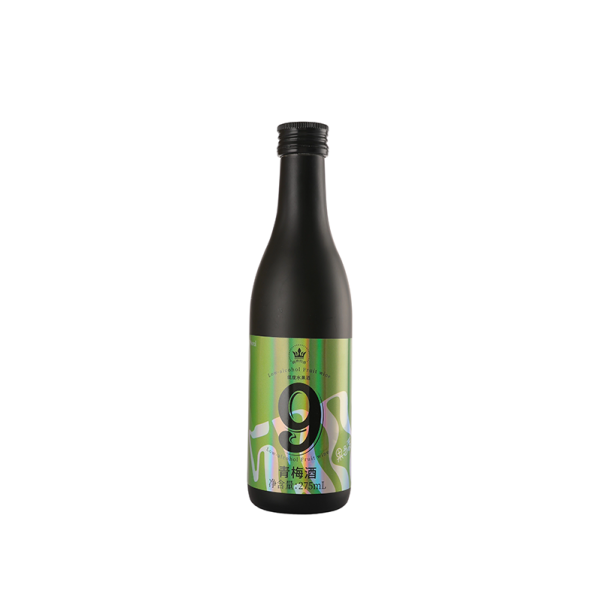
Fruit sake is a sake based wine with a variety of fresh water concentrated juice, which has a unique taste.
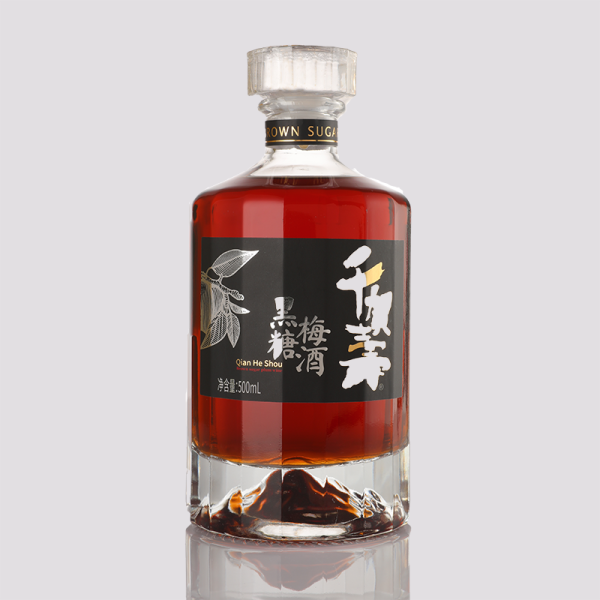
Brown sugar plum wine is a type of liquor made by blending sake as the base wine with green plum juice, black sugar and edible alcohol.

Fruit sake is a sake based wine with a variety of fresh water concentrated juice, which has a unique taste.
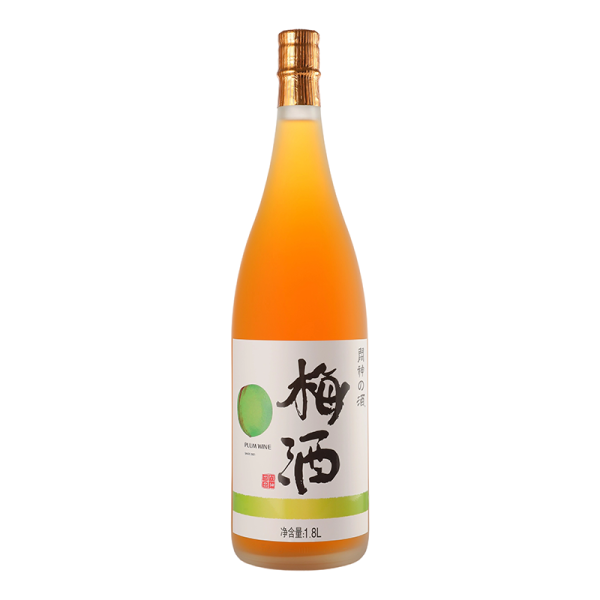
Umeshu is a type of liquor made by blending sake as the base wine with green plum juice, white sugar and edible alcohol.