Glass Bottles vs. Flexible Pouches: The Definitive Guide to Optimal Packaging for Asian Sauces | Yinghok Strategy
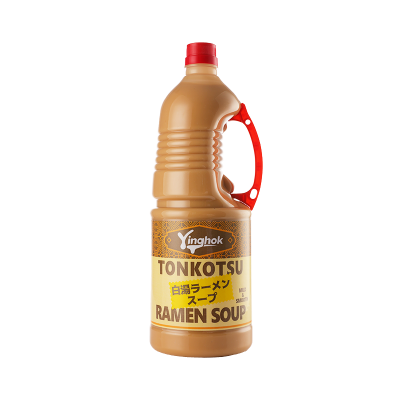
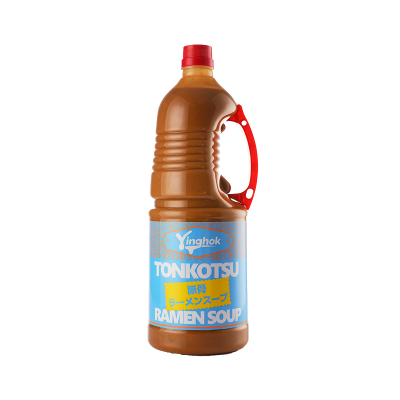
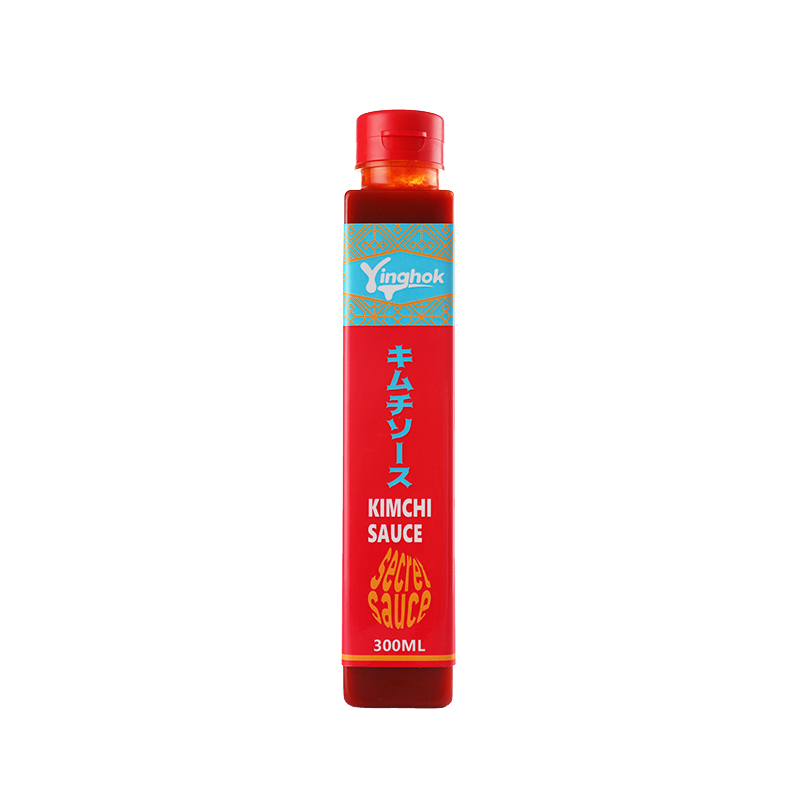
In the dynamic and diverse world of Asian sauces, where tradition meets innovation, the choice of packaging is far more than a mere container; it is a profound declaration of quality, brand identity, and market strategy. For discerning brands like Yinghok, committed to delivering unparalleled authentic flavors, the decision between time-honored glass bottles and the increasingly versatile flexible pouches demands meticulous consideration. We delve deep into this crucial dilemma, dissecting every facet to illuminate the optimal path for packaging these culinary treasures, ensuring not only preservation but also enhanced consumer experience and sustainable growth. Glass bottles have historically been the gold standard for packaging premium Asian sauces, from delicate soy sauces and robust fish sauces to vibrant chili oils and complex marinades. Their ubiquitous presence on shelves globally is a testament to their enduring advantages, which resonate deeply with both producers and consumers. At the core of glass's appeal lies its exceptional inertness. Unlike certain plastic materials, glass does not leach chemicals into the product, ensuring that the delicate balance of authentic Asian sauce flavors remains absolutely untainted. This chemical stability is paramount for products with long shelf lives, where even minute flavor alterations can compromise a brand's reputation. We recognize that for Yinghok, the purity of flavor is non-negotiable, and glass provides an unparalleled barrier against external contaminants, oxygen, and moisture, thereby extending the intrinsic quality and sensory profile of the sauce. This hermetic seal preserves volatile aromatic compounds, crucial for the complex bouquets found in premium Asian sauces, preventing oxidation that can lead to off-notes or diminished potency. Furthermore, glass offers superior temperature resistance, making it ideal for hot-filling processes, a common sterilization method that ensures food safety without compromising the packaging integrity. The visual appeal of glass is undeniable. Its inherent clarity allows consumers to directly view the product, showcasing the rich color and texture of a high-quality Asian sauce. This transparency builds immediate trust and appeals to the discerning shopper who associates visibility with authenticity and quality. The substantial weight and tactile feel of a glass bottle convey a sense of premiumness, heritage, and value - qualities that Yinghok consistently strives to project. For many traditional Asian sauces, glass packaging evokes a sense of artisanal craftsmanship and a timeless connection to culinary traditions, reinforcing brand loyalty. The ability to create intricate bottle designs further enhances shelf appeal, allowing brands to differentiate themselves through unique shapes and embossed logos, transforming the package into an extension of the brand's narrative. Glass offers an absolute barrier to gases, liquids, and odors, making it superior in preventing oxygen ingress, which is a primary culprit in spoilage and flavor degradation for many food products. This impenetrable shield ensures a significantly longer shelf life, crucial for Asian sauces that may be imported or distributed across vast distances. For Yinghok's diverse range, maintaining consistent quality across various markets is paramount, and glass plays a vital role in achieving this. Its opacity, when tinted, also provides protection against UV light, which can degrade certain ingredients and colors in light-sensitive sauces. Glass is 100% recyclable, repeatedly, without loss of purity or quality. This closed-loop recycling system aligns with growing global demands for sustainable packaging solutions. Consumers increasingly prioritize environmentally responsible brands, and the recyclability of glass offers a clear message of commitment to ecological stewardship, resonating with Yinghok's long-term sustainability objectives. The raw materials for glass are also abundant and natural, further solidifying its eco-friendly credentials when sourced responsibly. Despite its numerous advantages, glass is not without its drawbacks. Its inherent fragility means a higher risk of breakage during transit and handling, leading to product loss and increased logistics costs. The significant weight of glass also contributes to higher shipping expenses and a larger carbon footprint compared to lighter alternatives. Furthermore, manufacturing glass is energy-intensive, and its storage requires more space, impacting supply chain efficiency and overall operational costs. In recent decades, flexible pouches have emerged as a formidable challenger, rapidly gaining traction across various food categories, including Asian sauces. This modern packaging solution champions convenience, efficiency, and adaptability, catering to contemporary consumer lifestyles and supply chain demands. One of the most compelling advantages of flexible pouches is their dramatically reduced weight. This directly translates to substantial savings in shipping costs and a smaller carbon footprint associated with transportation - factors of increasing importance for global brands like Yinghok. Lighter packaging also contributes to reduced material usage, aligning with circular economy principles. Furthermore, pouches optimize storage space, both in warehouses and on retail shelves, thanks to their malleable nature and efficient stacking capabilities. The material cost for pouches is often lower than glass, offering a more competitive price point for certain product lines or target markets. Flexible pouches are virtually unbreakable, eliminating the safety concerns and product loss associated with glass breakage. This makes them ideal for environments where safety is paramount, such as foodservice settings, outdoor events, or households with children. For Yinghok seeking to expand into new distribution channels or offering on-the-go convenience, the robustness of pouches presents a significant operational advantage. The design possibilities with flexible pouches are vast and continually evolving. They can be engineered with spouts, tear notches, reclosable zippers, and easy-pour features, significantly enhancing consumer convenience. For thicker Asian sauces like hoisin or sriracha, pouches allow for effortless squeezing and precise dispensing, minimizing waste and mess. This user-friendly aspect is highly valued by modern consumers leading busy lives. Yinghok can leverage this flexibility to create packaging that stands out, offering unique shapes, vibrant graphics, and functional innovations that resonate with specific market segments. Stand-up pouches, in particular, offer excellent shelf presence while providing all the benefits of flexible packaging. Pouches offer an exceptional product-to-package ratio, meaning less packaging material is used per unit of product compared to rigid containers. This minimizes post-consumer waste volume, appealing to environmentally conscious consumers. The complete evacuation of product from a pouch also reduces food waste, ensuring consumers get every last drop of Yinghok's delicious Asian sauce. Despite their advantages, flexible pouches face hurdles, particularly concerning brand perception. Historically, they have been associated with lower-cost or less premium products, which could potentially diminish the perceived value of high-end Asian sauces. While advanced printing technologies and sophisticated designs can mitigate this, the tactile impression of a pouch may still lack the gravitas of glass for some consumers. Recycling flexible multi-layer pouches also presents a significant challenge due to the composite nature of their materials, although advancements in mono-material and recyclable flexible packaging are constantly being made. Barrier properties, while excellent in modern multi-layer laminates, need careful engineering to match the absolute protection of glass for certain highly sensitive products. For Yinghok, the choice between glass bottles and flexible pouches is not binary but rather a strategic decision influenced by multiple interacting factors. We meticulously evaluate each dimension to ensure the optimal packaging solution for every product in our portfolio. The viscosity, pH, active ingredients, and oxygen sensitivity of each specific Asian sauce dictate the necessary barrier properties. Delicate light soy sauces or artisanal sesame oils might thrive best in glass due to its absolute inertness and UV protection. Conversely, robust chili pastes or convenience-oriented stir-fry sauces might be well-suited for durable, easy-to-dispense pouches with high-barrier laminates, some even retortable to handle high-temperature sterilization. The shelf life requirements also play a critical role; while both can offer extended shelf life, the specific barrier architecture must be engineered accordingly. Yinghok's market strategy dictates packaging choices. For premium, traditional, or gift-oriented segments, glass bottles reinforce authenticity and luxury. They appeal to consumers seeking an artisanal experience and a connection to heritage. For a younger, on-the-go demographic prioritizing convenience, portability, and sustainability (in terms of reduced material use), flexible pouches offer a modern, practical solution. We might even consider a dual-packaging strategy, offering certain sauces in both formats to cater to diverse consumer preferences and price points, effectively segmenting the market. A comprehensive cost analysis must encompass not just raw material and manufacturing costs, but also logistics (shipping weight and volume), breakage rates, storage space, and potential for product spoilage. While glass bottles may have higher initial unit costs and shipping expenses due to weight, their robust nature might reduce breakage losses. Pouches offer significant logistical savings due to their lightness and volumetric efficiency, leading to a potentially lower total cost of ownership across the supply chain. Yinghok continuously optimizes its supply chain, and these efficiencies are crucial considerations. Yinghok is deeply committed to environmental stewardship. While glass is highly recyclable in established infrastructures, its weight and energy-intensive production are factors. Flexible pouches, while lighter and using less material, often consist of multi-layer plastics that are challenging to recycle. We meticulously explore innovations in mono-material flexible packaging and advanced recycling technologies to align with our sustainability vision, ensuring that our chosen packaging minimizes environmental footprint through its entire lifecycle. The carbon footprint of transporting heavy glass across long distances is a significant environmental factor that flexible pouches inherently mitigate. Regardless of the choice, strict adherence to global food safety standards and regulations for food contact materials is paramount. Both glass and flexible packaging must be certified for safe contact with Asian sauces, ensuring no migration of harmful substances. Yinghok maintains stringent quality control protocols, guaranteeing that all packaging meets or exceeds international safety benchmarks. Specific regulations regarding labeling, material composition, and recyclability vary by region and must be rigorously observed. The ultimate success lies in consumer satisfaction. Does the packaging enhance the user experience? Is it easy to open, pour, reclose, and store? Does it minimize mess and waste? Glass bottles offer a familiar, sturdy experience, often associated with reusability. Pouches excel in ease of dispensing, especially for viscous sauces, and portability. Understanding how Yinghok's target consumers interact with Asian sauces in their daily lives informs this critical decision. For instance, a large family-size stir-fry sauce might benefit from a large, reclosable pouch, while a gourmet chili crisp could be presented in an elegant glass jar. At Yinghok, we understand that there is no universal "best" packaging solution. The optimal choice is a dynamic synthesis of product requirements, market positioning, economic viability, and our unwavering commitment to quality and sustainability. We employ a holistic evaluation framework, leveraging cutting-edge packaging science and deep market insights. We see the future of Asian sauce packaging not as an either/or proposition, but as a spectrum of intelligent choices. For our ultra-premium, traditional soy sauces and artisanal vinegars, glass bottles will likely remain the preferred choice, reinforcing their heritage and perceived value. For our innovative, convenience-focused lines, such as ready-to-use curry pastes or family-sized marinades, advanced flexible pouches, engineered with superior barrier properties and sustainable materials, will play a pivotal role in expanding our market reach and enhancing consumer accessibility. By continuously investing in research and development, collaborating with leading packaging innovators, and meticulously listening to our consumers, Yinghok remains at the forefront of packaging excellence. Our strategic approach ensures that whether housed in a pristine glass bottle or a cleverly designed flexible pouch, every Yinghok Asian sauce not only preserves its authentic flavor but also delivers an exceptional, thoughtful experience to the global culinary enthusiast. Our packaging is not just a container; it is an integral part of the Yinghok promise of quality, innovation, and taste. Ready to discuss the optimal packaging solution for your Asian sauce products? Contact us today to speak with our packaging experts and explore how Yinghok can bring your vision to life with customized, market-ready solutions.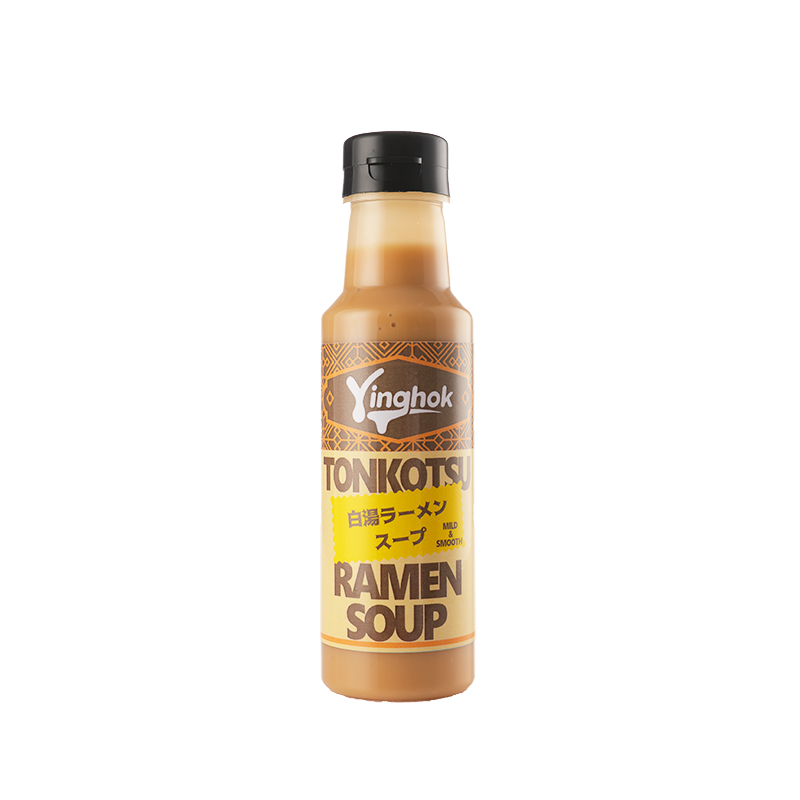
The Enduring Legacy of Glass Bottles for Asian Sauces
Unrivaled Product Integrity and Flavor Preservation
Premium Aesthetic and Brand Perception
Exceptional Barrier Properties and Extended Shelf Life
Sustainability and Recyclability
Challenges and Considerations for Glass Packaging
The Rise of Flexible Pouches: Innovation and Convenience
Unparalleled Lightweight and Cost Efficiency
Enhanced Safety and Reduced Breakage
Innovative Design and Consumer Convenience
Product-to-Package Ratio and Reduced Waste
Challenges and Considerations for Flexible Pouches
A Strategic Comparative Analysis: Yinghok's Packaging Imperative
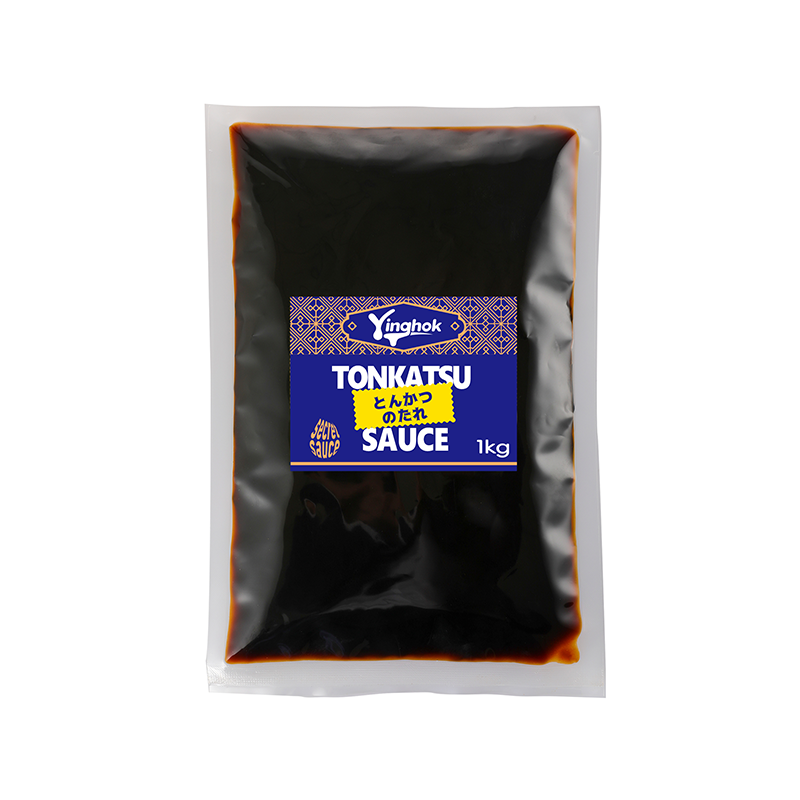
1. Product Characteristics and Preservation Requirements
2. Target Market and Brand Positioning
3. Cost-Effectiveness and Supply Chain Efficiency
4. Sustainability Goals and Environmental Impact
5. Regulatory Compliance and Food Safety Standards
6. Consumer Experience and Usability
The Yinghok Advantage: A Balanced and Forward-Thinking Approach