Custom Chinese Cooking Sauce for B2B Buyers: How to Choose the Right Manufacturer
Chinese cooking sauces are no longer limited to traditional Chinese restaurants. They are increasingly used by restaurant groups, foodservice distributors, central kitchens, ready-meal manufacturers, supermarket brands, and private-label food companies looking for consistent Asian flavor at commercial scale.
For B2B buyers, however, sourcing Chinese cooking sauce is not simply about finding a good-tasting product. A reliable supplier must also be able to support formula development, product specifications, packaging, labeling, food safety documentation, MOQ requirements, sample approval, batch consistency, and international shipment coordination.
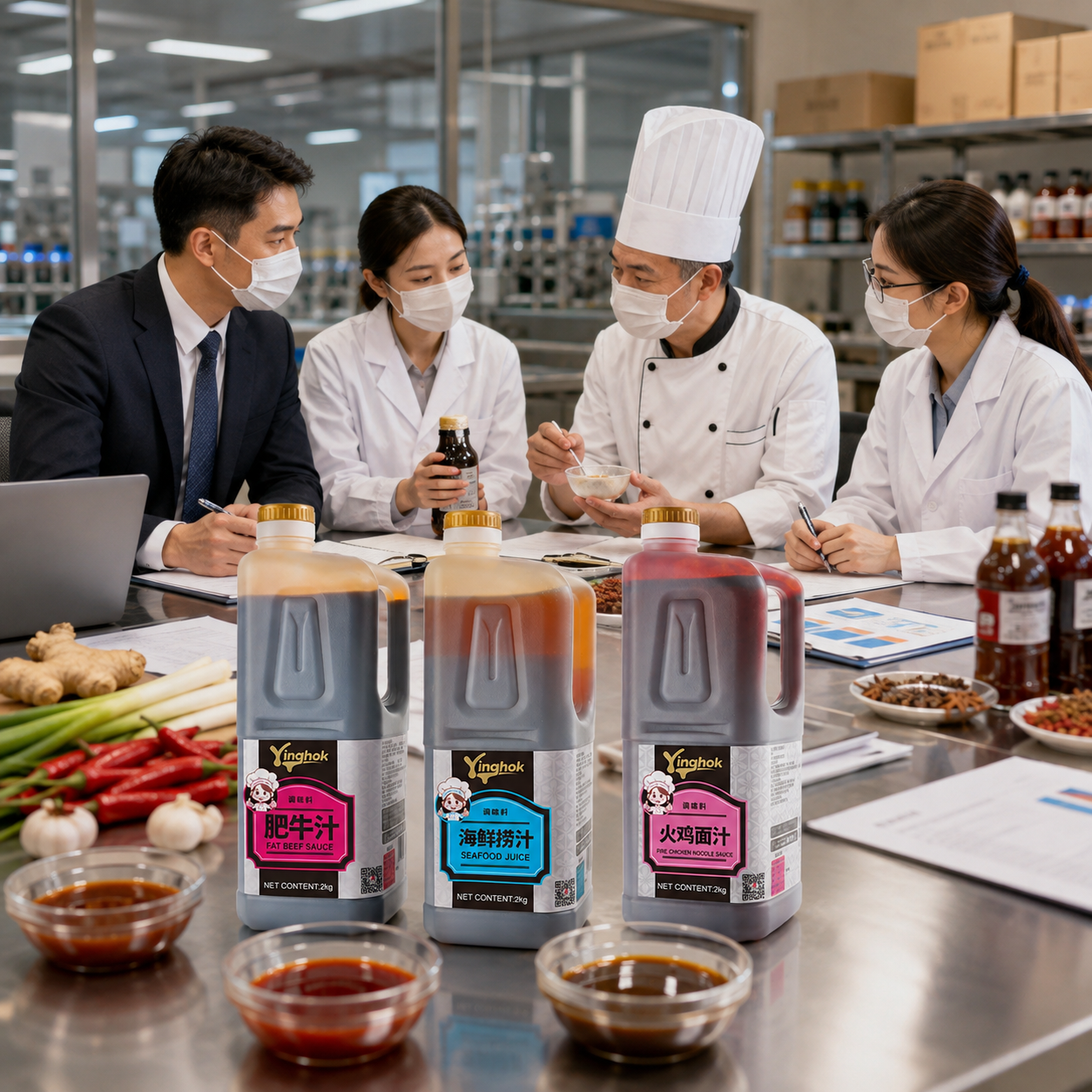
Yinghok's custom Chinese cooking sauce program is designed around these procurement requirements, covering sauce categories such as braising sauces, stir-fry sauces, spicy sauces, Char Siu sauce, mustard sauce, seafood sauce, and other customized Asian cooking solutions. The company also provides OEM and private-label services for restaurants, foodservice businesses, retailers, distributors, and food manufacturers.
This guide explains what professional buyers should evaluate before selecting a Chinese cooking sauce manufacturer—and how an OEM/ODM partner can reduce development and supply-chain risks.
1. What Should B2B Buyers Look for in a Chinese Cooking Sauce Manufacturer?
A sauce manufacturer should be evaluated as a supply-chain partner, rather than simply as a seasoning producer.
For commercial buyers, the key questions normally include:
- Can the manufacturer reproduce the required flavor consistently?
- Can the formula be adjusted for the target market?
- What packaging formats and filling sizes are available?
- What is the minimum order quantity?
- Can the supplier provide product specifications and regulatory documentation?
- How are raw materials and finished products controlled?
- Can the manufacturer support private-label packaging?
- Can production scale from samples to recurring bulk orders?
- Can the supplier coordinate export documentation and shipping requirements?
Yinghok positions its Chinese cooking sauce range for restaurants, supermarkets, grocery businesses, food factories, catering operations, and distributors. Its published OEM/ODM process covers consultation, sample development, quotation, packaging and label design, mass production, quality control, and delivery support.
For buyers comparing suppliers, this end-to-end capability can be more important than comparing sauce prices alone.
A manufacturer that can handle formulation, packaging, production, QC, and export coordination under one project can potentially reduce the number of suppliers involved in launching a new sauce SKU.
Internal resource: Buyers looking for a broader range of Asian products can also review Yinghok as an Asian sauce manufacturer.
2. Which Chinese Cooking Sauce Categories Can Be Customized?
Chinese cuisine includes a wide range of cooking techniques and regional flavor profiles, so a commercial sauce program should not be restricted to one generic "Chinese sauce."
Yinghok's current custom Chinese cooking sauce portfolio includes several application-oriented categories.
Braised Pork Sauce
A commercial braising sauce can be developed around requirements such as sweetness, umami intensity, spice balance, color depth, and overall flavor concentration.
This type of sauce may be positioned for braised pork, chicken, tofu, and other simmered dishes.
Stir-Fried Sauce
For foodservice applications, stir-fry sauces may require adjustments to savory intensity, freshness, salt level, oil balance, viscosity, and cooking performance.
The objective is often not simply strong flavor, but predictable performance when used across different kitchen operations.
Spicy and Sichuan-Style Sauces
Spicy products can be customized around heat intensity, aromatic chili character, Sichuan pepper sensation, sweetness, saltiness, and overall broth or sauce richness.
This can be relevant to hot pot, spicy beef dishes, noodle applications, and fusion menus.
Char Siu and BBQ Sauces
Commercial BBQ sauces may require specific sweetness, viscosity, caramelization characteristics, color, and aroma depending on whether they are intended for marinating, roasting, glazing, dipping, or food manufacturing.
Mustard and Seafood Sauces
Mustard sauces can be adjusted for sharpness, acidity, sesame characteristics, and dipping viscosity, while seafood sauces can be formulated around umami, brine intensity, ginger, vinegar, and other flavor components.
This application-based approach allows buyers to discuss the function of the sauce, rather than simply selecting an existing flavor from a catalog.
3. Why Formula Customization Matters for B2B Sauce Procurement
A standard sauce may work for one market but perform differently when the target customer, recipe, cooking process, or packaging format changes.
For OEM/ODM projects, buyers may need to define parameters such as:
- Sweetness
- Saltiness
- Spiciness
- Acidity
- Umami intensity
- Viscosity
- Color
- Aroma
- Ingredient preferences
- Allergen requirements
- Dietary requirements
- Intended application
- Dilution or usage ratio
- Target cost
For example, a restaurant chain may need a sauce that produces the same flavor across multiple locations, while a retail brand may prioritize consumer-friendly flavor intensity and packaging stability.
A food manufacturer may have completely different requirements, including viscosity control, process compatibility, ingredient declarations, and integration into a larger recipe.
Yinghok states that its R&D process can develop or adjust formulas based on customer requirements and samples, with its published process describing sample development and flavor optimization before quotation and mass production.
Sample Development Should Be Treated as a Technical Stage
Professional buyers should provide as much information as possible during sample development:
1.Existing product sample, if available
2.Target flavor description
3.Intended food application
4.Target market
5.Packaging format
6.Desired shelf-life target
7.Ingredient restrictions
8.Regulatory requirements
9.Expected annual or recurring volume
The more specific the development brief, the easier it is for the manufacturer to evaluate whether an existing formula can be adjusted or whether a new formulation is required.
If you are evaluating a new Chinese cooking sauce for foodservice, retail, or food manufacturing, request a sample and provide your target flavor, application, packaging, and market requirements for technical evaluation.
4. Product Specifications, MOQ and Packaging: What Buyers Should Confirm
Cost comparisons between sauce manufacturers can be misleading if the product specifications are not identical.
A B2B quotation should ideally clarify:
Procurement Item | What to Confirm |
Product type | Ready-to-use sauce, concentrate, cooking base, dipping sauce, etc. |
Net content | Bottle, pouch, jar, bucket or bulk format |
Packaging material | Plastic, glass or other approved format |
MOQ | Minimum cartons or units per SKU |
Carton configuration | Units per carton and carton dimensions |
Shelf life | Product-specific validated period |
Storage | Product-specific storage conditions |
Label | Private label, OEM or supplier brand |
Ingredients | Full ingredient declaration |
| Allergens | Applicable allergen declaration |
| Nutrition | Market-specific nutrition information |
| Shipping terms | FOB or other agreed Incoterm |
| Lead time | Sample, production and shipment timelines |
Yinghok's Chinese cooking sauce page currently states a MOQ starting from 30 cartons, while the actual MOQ can depend on the customized product, packaging, and project requirements. The same page states that standard formulations may have a production cycle of approximately 2–3 weeks. These figures should be confirmed in the quotation before placing an order.
Packaging options listed across Yinghok's sauce portfolio include plastic, glass, and ceramic, while individual product specifications can differ significantly. For example, one published Yakiniku sauce SKU lists sizes ranging from smaller retail formats to larger foodservice containers.
Therefore, buyers should request a SKU-specific specification sheet rather than assuming that one packaging format, MOQ, or shelf life applies to the entire sauce portfolio.
When contacting Yinghok, specify your preferred package size, target market, estimated order volume, and whether the product is intended for restaurant, foodservice, retail, or food manufacturing use.
5. Food Safety, HACCP and BRCGS: What Should Buyers Verify?
Food safety certification should be evaluated according to the specific manufacturing site, certificate scope, product category, and certificate validity, rather than simply relying on a logo displayed on a website.
HACCP is a systematic approach for identifying and controlling food safety hazards. The FAO/WHO Codex General Principles of Food Hygiene, updated in 2023, place HACCP within a broader food hygiene framework that also includes Good Hygiene Practices.
BRCGS Food Safety Issue 9 provides a framework covering product safety, integrity, legality, quality, and operational controls in food manufacturing, processing, and packing. BRCGS states that Issue 9 was published on 1 August 2022 and that its Food Safety Standard is GFSI benchmarked.
Yinghok's website lists HACCP, BRC, FDA and Halal among its product-selection or compliance-related attributes, and its Chinese cooking sauce page states that products are manufactured with international food-safety considerations. However, buyers should request the current certificate copies, certification body, site name, certificate number, validity period, and applicable scope for the specific project before treating any certification as a purchasing qualification.
This distinction is especially important for importers and distributors whose customers require documented supplier approval.
6. Allergen Requirements for International Markets
For the United States, FDA's January 2025 Final Guidance for Industry: Questions and Answers Regarding Food Allergens, Including the Food Allergen Labeling Requirements identifies nine major food allergens: milk, egg, fish, crustacean shellfish, tree nuts, peanuts, wheat, soybeans, and sesame.
A Chinese cooking sauce containing soy sauce, wheat-derived ingredients, sesame, or other regulated allergens may therefore require careful label review for the destination market.
These requirements should not be generalized to every country. Buyers should confirm the applicable regulations with their importer, regulatory consultant, competent authority, or food-law professional.
7. Quality Control, Shelf Life and Batch Consistency
For a B2B sauce program, quality control extends beyond tasting the first sample.
A buyer should establish acceptance criteria for:
- Appearance
- Color
- Aroma
- Taste
- Viscosity
- pH or acidity where applicable
- Microbiological parameters
- Relevant chemical parameters
- Packaging integrity
- Net weight
- Label accuracy
- Batch identification
Yinghok's published Chinese cooking sauce development process describes mass production with QC activities including microbial, chemical, and sensory testing.
However, buyers should distinguish between a manufacturer's general QC process and the specifications of a particular SKU. Product-specific testing requirements should be agreed before production.
Shelf Life Should Be Product-Specific
Shelf life should never be assumed simply because another sauce has a particular shelf-life period.
For example, a published Yinghok Yakiniku sauce specification lists a 12-month shelf life and "store in a cool, dry place," while another Yinghok BBQ sauce product also lists a 12-month shelf life. These are individual product specifications and should not be interpreted as a universal shelf-life claim for every Yinghok sauce.
For procurement, the safest approach is to request the current product specification and storage instructions for the exact SKU.
Storage instructions after opening may also differ from unopened-product requirements. Buyers should use the approved product label and specification sheet rather than applying general food-storage advice to a specific commercial product.
8. From Sample Approval to Bulk Export: Building a Reliable Supply Process
A successful sauce project normally requires several stages:
Stage 1: Product Brief
Define the target flavor, application, market, packaging, volume, and regulatory requirements.
Stage 2: Sample Development
The manufacturer develops or adjusts the sauce and provides samples for evaluation. Yinghok's published development process indicates a sample optimization stage before commercial quotation and production.
Stage 3: Specification Confirmation
The buyer and manufacturer confirm the final formula specification, packaging, label information, MOQ, price, lead time, and required documentation.
Stage 4: Packaging and Label Approval
For private-label products, artwork should be reviewed against the destination market's labeling requirements before mass production.
For U.S.-bound products, for example, FDA allergen requirements should be considered during label development. FDA's latest industry guidance on allergen labeling was issued in January 2025.
Stage 5: Mass Production and QC
Production should follow the approved specification, with appropriate quality and food-safety controls.
Stage 6: Export Coordination
Commercial buyers should confirm shipping terms, export documents, carton information, product identification, and importer requirements before shipment.
Yinghok's published process describes the final stage as global logistics delivery and after-sales support.
For companies developing several Asian products at once, a broader foodservice sauce supplier can also be useful when coordinating restaurant-oriented packaging and customized seasoning requirements.
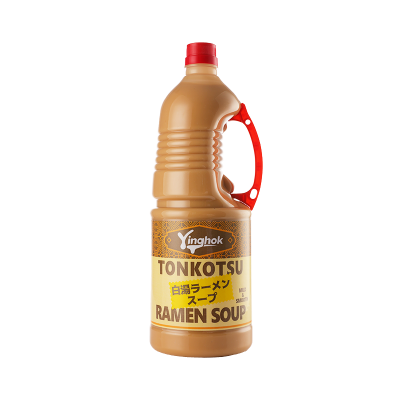
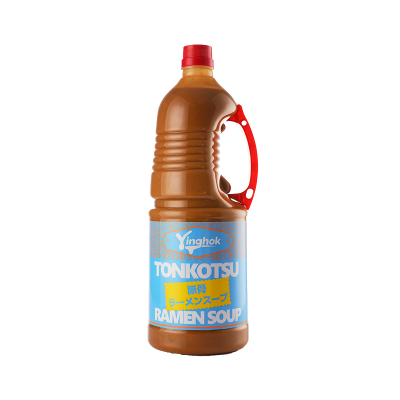
Internal resource: If your product portfolio also includes Japanese noodle products, explore Yinghok's custom ramen soup base supplier solutions.
Planning a New Chinese Sauce Line?
Selecting a Chinese cooking sauce manufacturer is ultimately a decision about more than flavor. B2B buyers need a supplier that can connect R&D, formula customization, packaging, food safety, documentation, quality control, production planning, and international supply into one manageable process.
Yinghok's published Chinese cooking sauce program supports customized formulations across braising, stir-frying, BBQ, spicy, seafood, mustard, and other applications, with OEM/private-label services, sample development, flexible packaging, and wholesale supply.
If you are developing a restaurant sauce, private-label retail product, foodservice format, or industrial cooking ingredient, the next step should be a project-specific discussion rather than a generic catalog quotation.
Provide your target flavor, application, packaging preference, destination market, estimated volume, and any existing product sample or specification. Yinghok can then evaluate the appropriate OEM/ODM development route, MOQ, packaging options, documentation, and production requirements for your project.
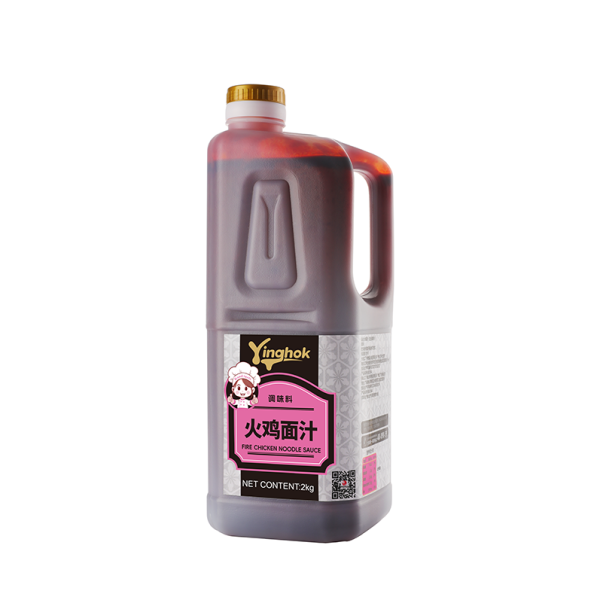
Spicy fire chicken noodle sauce with rich and bold flavor, perfect for wholesale and private label customization. Yinghok specializes in OEM/ODM manufacturing of fire chicken-style noodle sauce, providing consistent spicy flavor solutions for restaurants, foodservice chains, and global food brands.
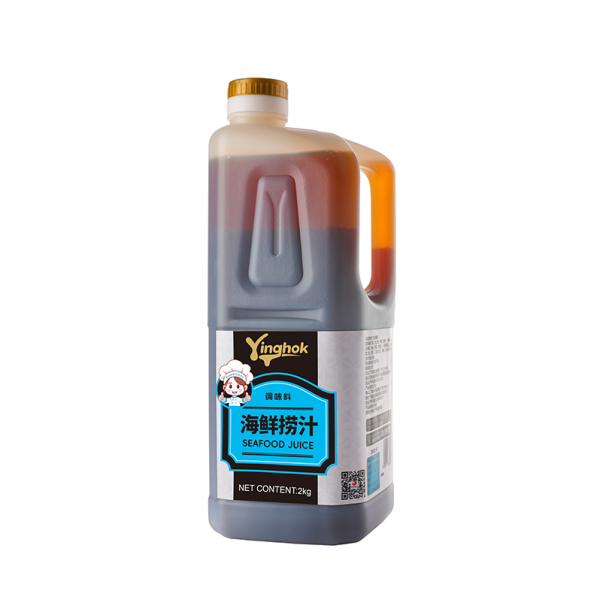
Seafood Dressing(Seafood Juice) Manufacturer | OEM & Private Label Supplier for Foodservice & Retail
Specially developed for cold seafood dishes, our Seafood Dressing combines savory, tangy and aromatic seasonings to enhance the natural freshness of shrimp, squid, shellfish, octopus and other seafood while ensuring consistent flavor and efficient preparation.
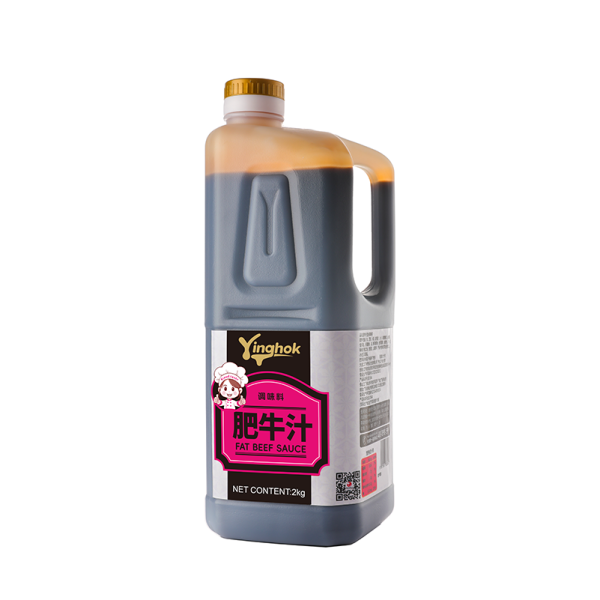
Developed with a balanced blend of savory seasonings and rich umami flavor, our Fat Beef Sauce is specially designed for beef slices, stir-fried beef, rice bowls and other Chinese-style beef dishes, helping commercial kitchens achieve consistent taste and improved cooking efficiency.
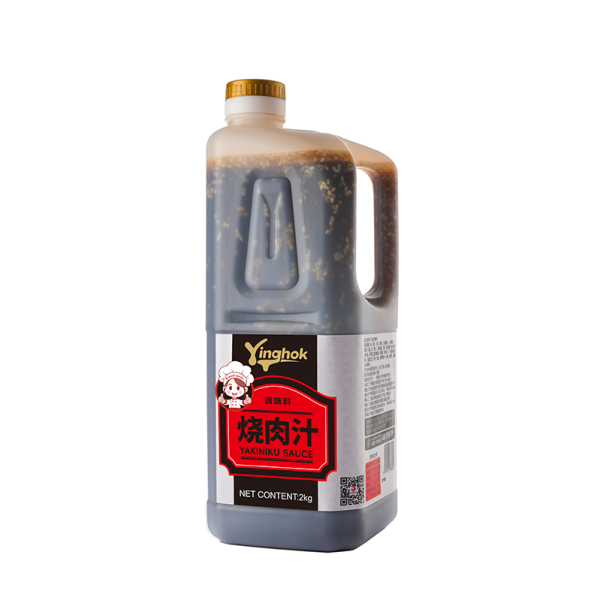
Crafted with a balanced blend of soy sauce, garlic, sesame and carefully selected seasonings, our Yakiniku Sauce delivers a rich umami flavor with a savory-sweet profile, making it ideal for grilled meats, marinades and dipping applications.