What Is the Difference Between Noodle Sauce and Soup Base| A Complete Guide for Food Service Buyers
For restaurants, food manufacturers, and food service distributors, choosing the right seasoning product is essential for creating consistent and flavorful noodle dishes.
Many buyers often ask:
“What is the difference between noodle sauce and soup base?”
Although both products are used to enhance noodle dishes, they serve different purposes:
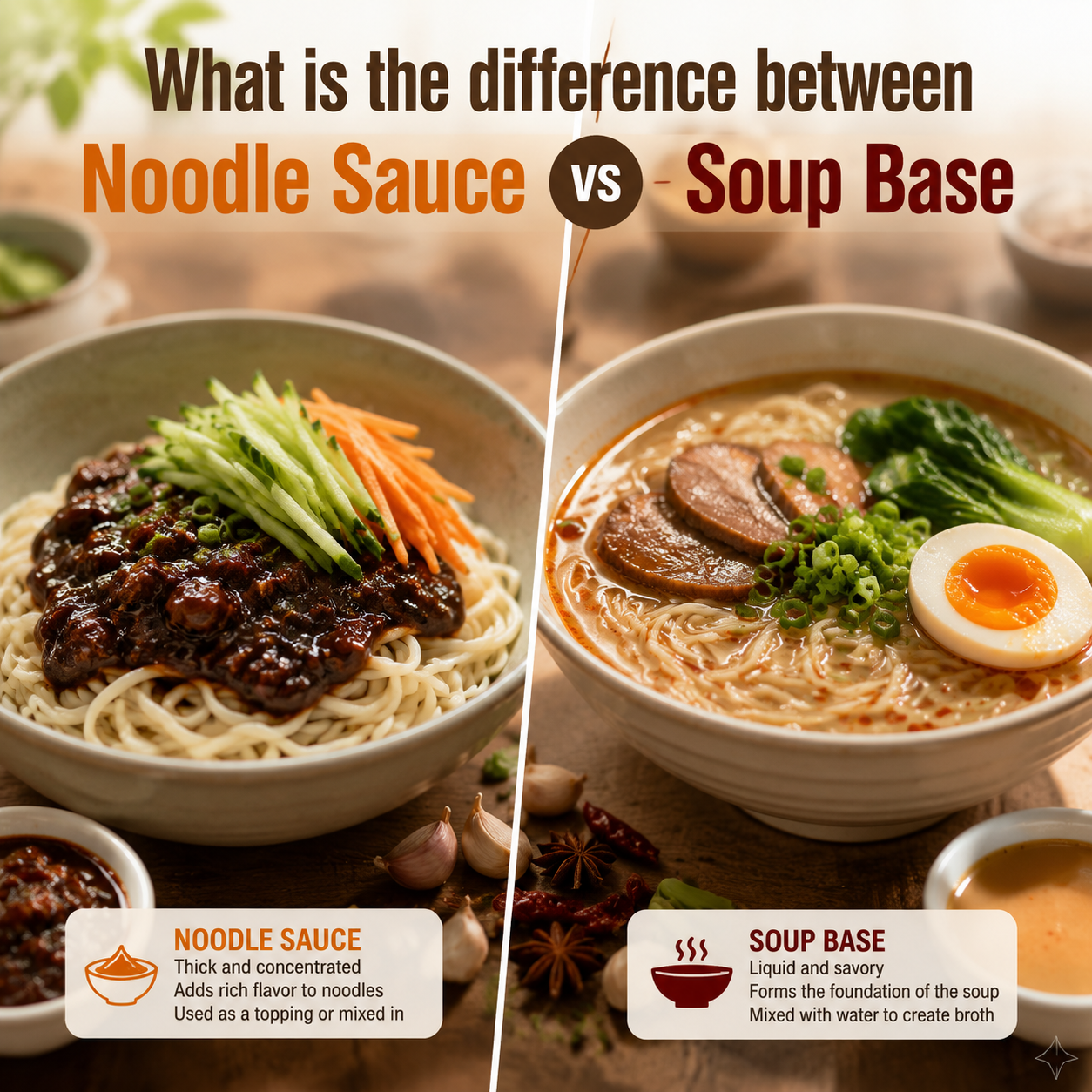
· Noodle sauce focuses on seasoning and coating noodles
· Soup base focuses on creating flavorful broth
Understanding this difference helps restaurant chains, instant noodle manufacturers, and catering businesses select the right product for their menu requirements.
As a professional OEM Asian cooking sauce manufacturer, Yinghok provides customized noodle sauces, noodle bases, and ramen soup bases designed for restaurants, food service operators, and global food brands.
What Is Noodle Sauce?
Noodle sauce is a concentrated seasoning product designed to directly mix with noodles.
Unlike soup bases, noodle sauces usually have a thicker texture and stronger seasoning concentration because they need to attach to noodles and deliver flavor in every bite.
Typical noodle sauce applications include:
· Stirred noodles
· Dry noodles
· Yakisoba
· Udon
· Spicy noodles
· Beef noodles
· Takeout noodle meals
· Ready-to-eat noodle products
The main purpose of noodle sauce is:
To create a flavorful coating that enhances noodles without requiring large amounts of liquid.
Common Characteristics of Noodle Sauce
1. Higher Flavor Concentration
Noodle sauces usually contain concentrated:
· Soy sauce flavor
· Chili flavor
· Meat flavor
· Garlic aroma
· Sesame notes
· Umami seasoning
This allows restaurants to quickly prepare consistent noodle dishes.
2. Thicker Texture
Compared with soup bases, noodle sauces are often thicker because they need to:
· Coat noodles evenly
· Improve appearance
· Enhance mouthfeel
· Prevent flavor loss
3. Used After Noodles Are Cooked
Typical preparation:
· Cook noodles
· Drain water
· Add noodle sauce
· Mix evenly
· Add toppings
For example:
· Spicy noodle dressing
· Yakisoba sauce
· Beef noodle sauce
These products help food operators reduce preparation time while maintaining consistent taste.
What Is Soup Base?
Soup base is a concentrated seasoning designed to create broth.
It is commonly used for:
· Ramen restaurants
· Noodle soup shops
· Instant noodle production
· Hot soup dishes
· Food service kitchens
Soup bases are diluted with water or stock to create the final soup.
Examples include:
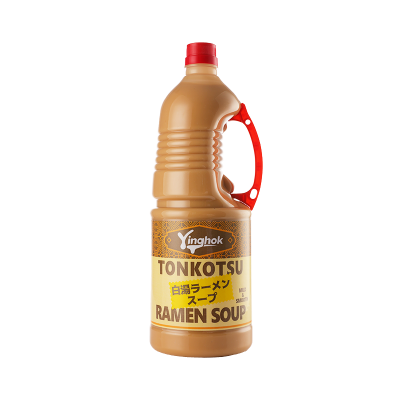
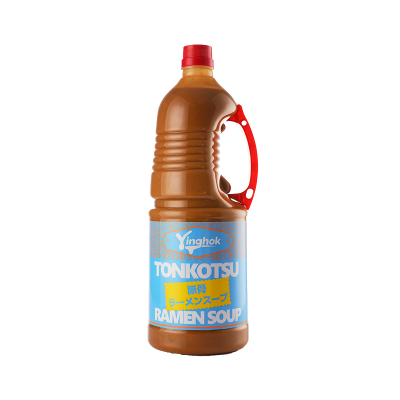
· Tonkotsu ramen soup base
· Shoyu ramen soup base
· Miso ramen soup base
· Curry ramen soup base
· Tomato ramen soup base
Yinghok's custom ramen soup bases cover various Japanese-style flavors, including Tonkotsu, Shoyu, Miso, Tomato, and Curry styles, with customization options for commercial applications.
Common Characteristics of Soup Base
1. Designed for Liquid Broth
Soup bases are formulated to create:
· Rich aroma
· Balanced saltiness
· Deep umami
· Smooth mouthfeel
The final product depends on the correct dilution ratio.
Example:
Soup Base + Water + Noodles + Toppings = Complete Ramen Dish
2. Strong Broth Flavor
A good soup base recreates the complexity of traditional broth through:
· Fermented seasonings
· Meat or seafood flavors
· Vegetable extracts
· Spices
· Umami ingredients
This helps restaurants provide authentic flavors without spending many hours preparing broth from scratch.
3. Suitable for High-Volume Operations
Soup bases are especially valuable for:
· Ramen chains
· Central kitchens
· Catering companies
· Instant noodle factories
They provide:
· Faster preparation
· Lower labor costs
· Stable flavor between locations
Noodle Sauce vs Soup Base: Key Differences
| Comparison | Noodle Sauce | Soup Base |
Main Purpose | Season and coat noodles | Create flavorful broth |
Texture | Thick and concentrated | Liquid concentrate |
Usage Method | Mix directly with noodles | Dilute with water |
| Main Application | Dry noodles, stir noodles | Ramen, noodle soup |
Flavor Focus | Strong seasoning and aroma | Balanced broth taste |
| Preparation | Faster mixing process | Requires dilution |
| Suitable Buyers | Noodle shops, meal kits, food manufacturers | Ramen restaurants, catering, instant noodle producers |
How Should Restaurants Choose Between Noodle Sauce and Soup Base?
The right choice depends on your menu concept.
Choose Noodle Sauce If You Produce:
1. Dry Noodles
Examples:
· Spicy mixed noodles
· Yakisoba
· Scallion-Fragrant noodles
Noodle sauce provides strong flavor without additional broth.
2. Takeout Noodle Meals
For delivery businesses, noodle sauces help maintain flavor after transportation.
3. Instant or Ready-to-Eat Noodles
Food manufacturers often use customized noodle sauces to create unique product flavors.
Choose Soup Base If You Produce:
1.Ramen Restaurant Menu
Examples:
· Tonkotsu ramen
· Shoyu ramen
· Miso ramen
· Curry ramen
· Tomato ramen
· Chicken Bone ramen
· Jigoku ramen
Soup bases help restaurants maintain consistent broth quality.
2.Large Restaurant Chains
A standardized soup base allows every location to serve the same flavor.
3.Frozen or Convenience Food Products
Soup bases support:
· Frozen ramen meals
· Meal kits
· Convenience store products
Can Restaurants Use Both Noodle Sauce and Soup Base Together?
Yes.
Many commercial noodle products combine both solutions.
For example:
Japanese Ramen Bowl
· Ramen soup base creates the broth
· Soy sauce or seasoning sauce adjusts flavor
· Toppings complete the dish
Beef Noodle Product
· Beef soup base creates the soup
· Spicy noodle sauce enhances aroma
Using both products allows manufacturers to create more complex flavor systems.
Why Choose Yinghok for Custom Noodle Sauces & Soup Bases?
Yinghok specializes in OEM and ODM Asian cooking sauces for global B2B customers, including restaurants, food service distributors, retailers, and food manufacturers.
1. Complete Noodle Flavor Solutions
Our product range includes:
Custom Noodle Sauces & Bases
· Yakisoba Sauce
· Udon Sauce
· Spicy Noodle Dressing
· Beef Noodle Sauce
· Scallion-Fragrant noodles Sauce
Custom Ramen Soup Bases
· Tonkotsu Ramen Soup
· Shoyu Ramen Soup
· Miso Ramen Soup
· Tomato Ramen Soup
· Curry Ramen Soup
· Tomato ramen Soup
· Chicken Bone ramen Soup
· Jigoku ramen Soup
2. OEM Formula Customization
We help customers customize:
· Flavor intensity
· Salt level
· Spiciness
· Umami profile
· Color
· Viscosity
· Packaging format
Whether you need a signature ramen broth or a private label noodle sauce, our R&D team can develop solutions based on your market requirements.
3. Solutions for Multiple B2B Applications
Our products are designed for:
Restaurants & Restaurant Chains
Maintain consistent taste across multiple locations.
Food Manufacturers
Develop instant noodles, frozen meals, and ready-to-eat products.
Retail Brands
Create private label Asian food products.
Food Service Distributors
Supply bulk sauces for commercial kitchens.
Conclusion: Understanding the Right Product for Your Business
The difference between noodle sauce and soup base comes down to their primary purpose:
Noodle sauce = flavor coating for noodles
Soup base = foundation for noodle broth
Both products play important roles in modern Asian food production.
For businesses looking to expand their noodle menu, launch private label products, or improve production efficiency, choosing the right OEM supplier is essential.
With customized noodle sauces, noodle bases, and ramen soup bases, Yinghok helps global food businesses create authentic Asian flavors while achieving consistent quality and scalable production.
Contact Yinghok today to discuss your custom noodle sauce or soup base project.
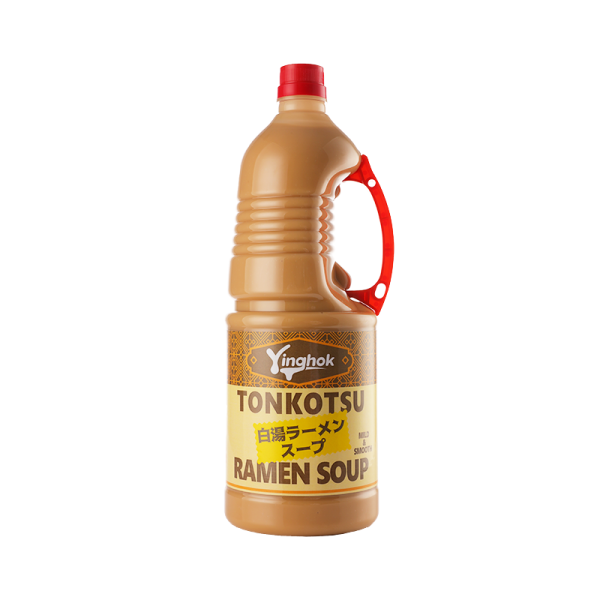
The tonkotsu ramen soup is the soul of Japanese tonkotsu ramen, rich, mellow and delicious without being greasy.
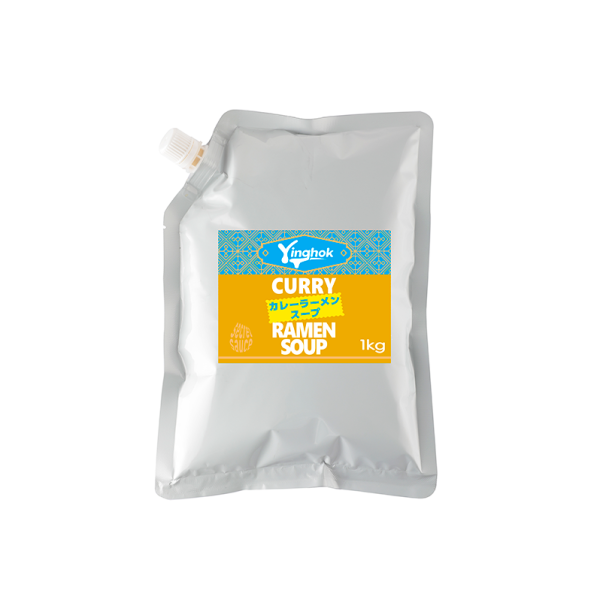
Curry ramen broth features fragrant curry flavor and smooth taste, perfect for making genuine homemade curry ramen easily.
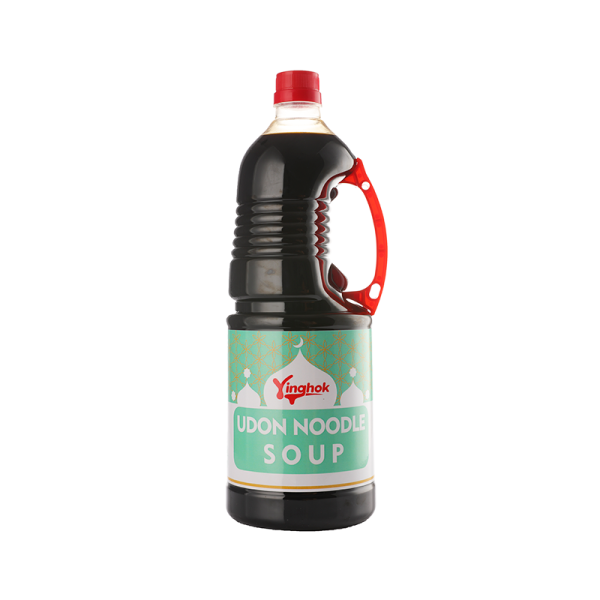
Authentic udon noodle sauce with balanced sweet and savory notes. Ideal for restaurant-style udon dishes.
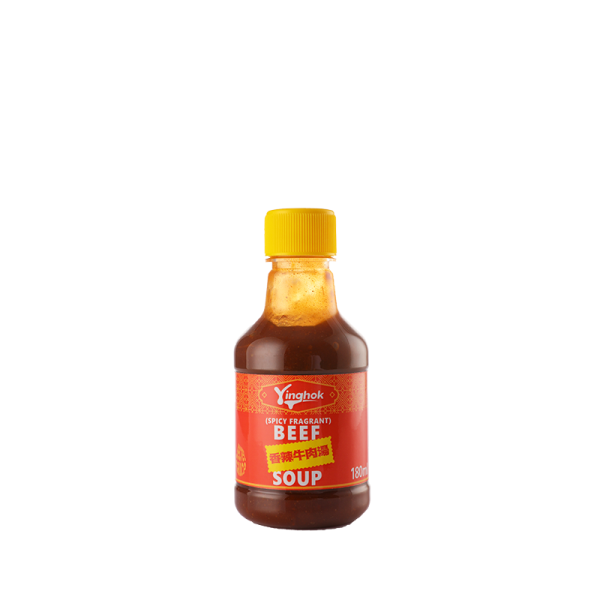
Savor a hearty spicy and fragrant beef broth at home. Enjoy a warm, satisfying bowl anytime.