What's the True Difference Between Sushi Vinegar and Rice Vinegar?
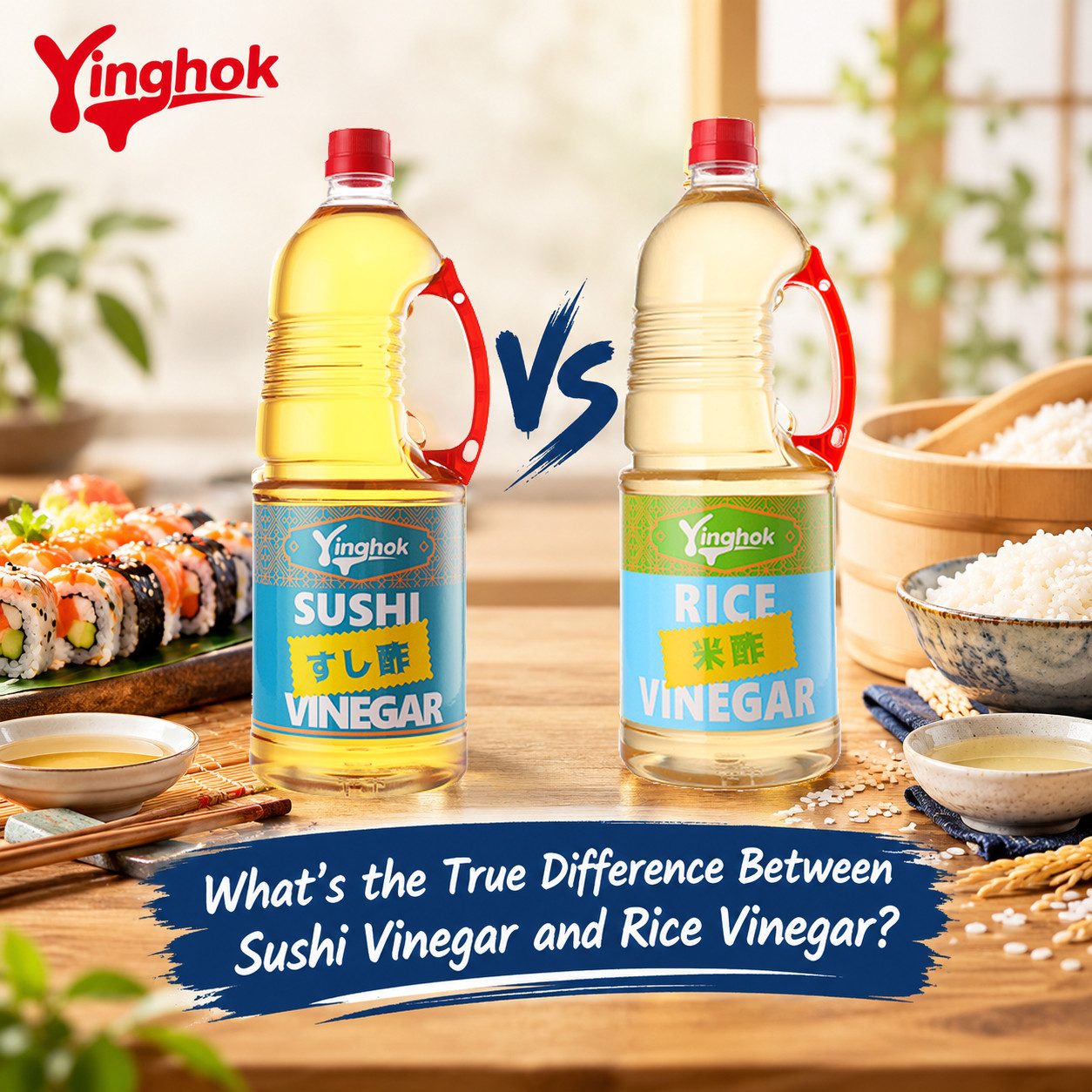
As discerning enthusiasts of Japanese cuisine, we often encounter questions regarding the distinctions between sushi vinegar and standard rice vinegar. While intrinsically linked, these two are not interchangeable. One is a fundamental ingredient, a cornerstone of Japanese culinary arts, while the other is a carefully crafted seasoning that defines the very soul of sushi. Understanding their unique roles is key to appreciating the subtle complexities of authentic Japanese preparations. Our goal is to clarify these nuances, offering a comprehensive overview that will deepen your respect for this iconic cuisine.
Key Takeaways
Fundamental Difference: Rice vinegar is a base ingredient made from fermented rice. Sushi vinegar is a seasoning made from rice vinegar by adding sugar and salt.
Flavor Profile: Pure rice vinegar is mild, with a gentle acidity. Sushi vinegar is a balanced blend of sweet, salty, and sour, specifically designed to complement rice and seafood.
Primary Use: Rice vinegar is a versatile acidic agent for dressings, marinades, and sauces. Sushi vinegar's primary, specialized role is to season cooked rice for sushi, known as shari.
Historical Context: The use of vinegar was a revolutionary step in sushi's history, drastically shortening the preservation process from months of fermentation to a matter of minutes, paving the way for modern sushi.
Pure Rice Vinegar: The Foundational Acidity in Japanese Culinary Arts
Before we can understand the specialized nature of sushi vinegar, we must first appreciate its origin: pure rice vinegar. Known as komezu (米酢) in Japanese, this essential condiment is a pillar of the nation's cuisine, standing alongside foundational flavors like soy sauce and miso. It is not merely a souring agent but a crucial component for creating harmony and balance in a vast array of dishes.
Defining Japanese Rice Vinegar's Character
Japanese rice vinegar, sometimes labeled as rice wine vinegar, is made through a two-stage fermentation process. First, steamed rice is fermented to produce alcohol—essentially making sake. In the second stage, acetic acid bacteria are introduced, which convert the alcohol into acetic acid over several months. This patient process results in a vinegar that is characteristically mild and mellow, with an acidity of around 4-5%.
Compared to the sharp, potent bite of Western distilled white vinegar, Japanese rice vinegar is noticeably softer and often possesses a subtle, natural sweetness. This delicate profile is its greatest strength. It is rarely consumed undiluted, serving instead as a vital blending agent that enhances the other ingredients in a dish without overpowering them. The presence of amino acids, developed during fermentation, also imparts a hint of umami—a savory depth that harsher vinegars lack. This nuanced character allows it to form harmonious flavor bases, a hallmark of Japanese culinary philosophy.
Diverse Applications of Rice Vinegar Beyond Sushi
While indelibly linked to sushi in the Western imagination, rice vinegar's utility in Japanese home cooking extends far beyond it. Its gentle acidity makes it an indispensable tool for building layers of flavor.
Its most common applications include:
Salad Dressings (Wafu Dressing): A classic Japanese-style vinaigrette often combines rice vinegar with soy sauce, oil, and a touch of sweetness to create a light dressing that complements fresh vegetables without overwhelming their natural taste.
Pickled Vegetables (Tsukemono): It is the key ingredient in quick pickles, such as sunomono (vinegared dishes), where it lightly cures vegetables like cucumbers and daikon radish, giving them a crisp texture and refreshing tang.
Marinades: Rice vinegar’s mild acidity gently tenderizes proteins like fish and chicken without "cooking" them as aggressively as stronger vinegars might. This makes it perfect for marinades where balance is key.
Compound Sauces: It serves as the acidic backbone for many of Japan’s most famous sauces.
Two prominent examples of these versatile sauces are:
Ponzu (ポン酢): A bright, citrus-based sauce that is a staple dipping sauce and marinade. Its composition typically includes soy sauce, citrus juice (often from yuzu or sudachi), mirin, and a base of rice vinegar, sometimes infused with kombu (kelp) or katsuobushi (bonito flakes) for extra umami.
Nanbanzu (南蛮酢): A sweet and sour marinade used for a dish called nanbanzuke, where fish or chicken is first fried and then soaked in this flavorful liquid. The sauce, whose name references 16th-century "Southern barbarian" (Portuguese and Spanish) culinary influence, typically consists of rice vinegar softened with soy sauce, mirin, sugar, and chili.
Sushi Vinegar: A Specialized Preparation from Rice Vinegar
If pure rice vinegar is the versatile foundation, then sushi vinegar—or sushi-zu (すし酢)—is its highly specialized, artful application. It is not a different type of vinegar but rather a seasoning blend created from rice vinegar. The distinction is simple yet profound: you use rice vinegar to make sushi vinegar.
"Shari": Crafting Sushi Rice with Specialized Rice Vinegar
The term "sushi vinegar" specifically refers to a precise mixture of rice vinegar, sugar, and salt. This seasoned vinegar has one primary purpose: to be folded into freshly cooked, short-grain rice. This process transforms plain steamed rice into sushi-meshi or, more reverently, shari (シャリ).
The word shari is derived from a Buddhist term for the sacred relics of the Buddha, a name given because the tiny, gleaming white grains were thought to resemble them. This poetic name underscores the importance of the rice in sushi; many chefs believe it is the most critical component, even more so than the fish.
The sushi-zu imparts the characteristic tangy, sweet, and savory flavor profile that defines sushi. It also gives the rice a beautiful sheen and helps preserve it, a nod to sushi's ancient origins. The seasoning must be mixed in while the rice is still hot, allowing each grain to properly absorb the vinegar as it cools, resulting in the perfect texture and flavor.
Rice Vinegar's Role in Fish Preservation and Flavor Balance
The introduction of vinegar was a watershed moment in the history of sushi. Originally, sushi, known as narezushi, was a method of preserving fish over months by packing it in fermented rice. The rice was discarded, and only the sour, preserved fish was eaten. During the fast-paced Edo period (1603–1868), chefs sought a quicker method. They discovered that adding rice vinegar directly to cooked rice mimicked the sour taste of fermentation, eliminating the long waiting period and allowing fish to be served fresh.
This innovation gave birth to modern sushi and cemented vinegar’s role in balancing flavors and ensuring food safety. Oily, strong-flavored fish like mackerel (saba) are often cured in a preparation called shime saba (しめ鯖). The process involves salting the fish fillets to draw out excess moisture and then marinating them in pure rice vinegar. This technique firms the flesh, tones down any "fishy" taste, and provides a delightful counterbalance to the fish's natural richness. Chefs calibrate the marination time with immense precision—a fleeting touch for delicate fish or a longer soak for heartier cuts—showcasing their deep expertise.
Comparison at a Glance
To summarize the key distinctions, here is a simple table comparing the two vinegars:
Feature | Pure Rice Vinegar (Komezu) | Sushi Vinegar (Sushi-zu) |
Composition | Made from fermented rice. | A blend of rice vinegar, sugar, and salt. |
Flavor Profile | Mild, clean, gentle acidity. | Balanced sweet, salty, and sour. |
Primary Function | A versatile cooking ingredient for dressings, marinades, and sauces. | A specialized seasoning exclusively for making sushi rice (shari). |
Form | A raw, foundational ingredient. | A prepared, ready-to-use seasoning mixture. |
Color | Typically clear to pale yellow. | Typically clear (unless made with akazu). |
Historical Role | Served as the base for creating sushi-zu. | Revolutionized sushi by replacing long fermentation with instant seasoning. |
Frequently Asked Questions (FAQ)
Can I use regular rice vinegar for sushi?
You can, but not by itself. Regular, unseasoned rice vinegar is the necessary starting point. To make sushi rice, you must add sugar and salt to the rice vinegar to create what is known as sushi vinegar. Using plain rice vinegar alone will make the rice too sour and lack the balanced flavor essential for sushi.
What is the difference between rice vinegar and "seasoned" rice vinegar?
"Seasoned rice vinegar" is essentially the same as "sushi vinegar." It is a pre-mixed blend of rice vinegar, sugar, and salt sold for convenience. While it can be a good shortcut for home cooks, making your own sushi vinegar allows you to control the sugar and salt levels to your personal preference.
Is rice wine vinegar the same as rice vinegar?
Yes, the terms "rice vinegar" and "rice wine vinegar" are used interchangeably to refer to the same product: vinegar made from fermented rice. The name can be slightly confusing, but there is no difference between them.
What can I use as a substitute for rice vinegar?
If you need a substitute for pure rice vinegar, apple cider vinegar is the closest alternative due to its relatively mild and slightly fruity profile. You may want to dilute it slightly with water to match the gentler acidity of rice vinegar. White wine vinegar can also work in a pinch. However, for authentic Japanese flavor, there is no true substitute.
Conclusion
In summary, while both terms are related to the acidic liquid derived from rice, the distinction is clear and crucial. "Rice vinegar" is the pure, foundational ingredient, a versatile workhorse in the Japanese kitchen. "Sushi vinegar," by contrast, is not a separate type of vinegar at all, but a specialized, artful seasoning carefully prepared from rice vinegar to give sushi its soul.
The skilled differentiation and precise application of both pure komezu and its refined sushi-zu forms—sometimes enhanced with a premium akazu—are true hallmarks of authentic Japanese gastronomy. This careful attention to detail transforms simple ingredients into a harmonious and unforgettable culinary experience.
We hope this clarification helps you approach Japanese cuisine with a deeper appreciation for its intricate details and the thoughtful craftsmanship behind every bite—a philosophy we proudly champion. We encourage you to share this article with fellow food lovers and continue exploring the profound world of Japanese flavors.
Contact Yinghok today to discuss your custom sushi sauce needs and discover how we can support your culinary success.
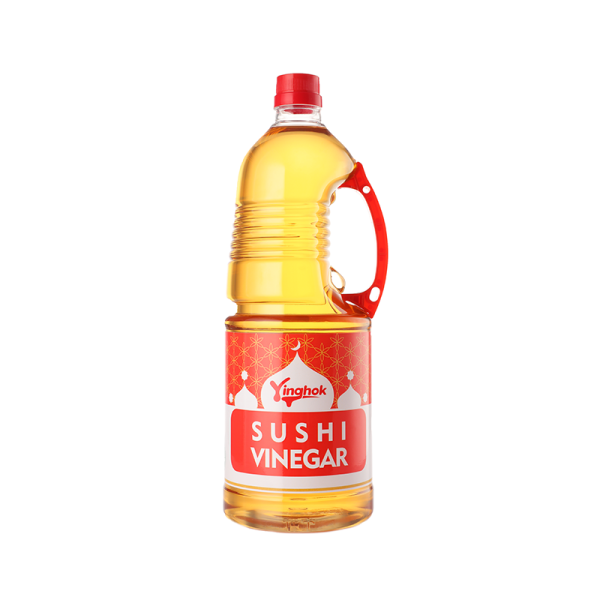
Sushi vinegar, a carefully crafted specialty seasoning, is essential for making Japanese authentic sushi.
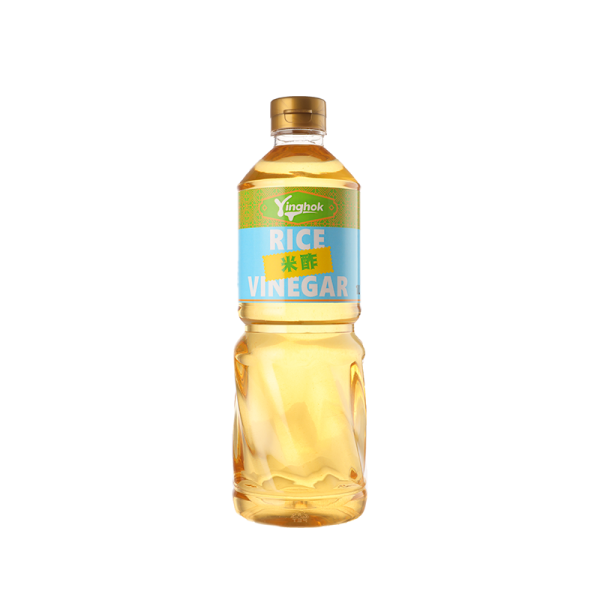
Versatile rice vinegar for home use, perfect for salads, sushi rice, marinades and dipping sauces. Our rice vinegar is carefully brewed to deliver clean acidity, mild aroma and balanced taste, making it ideal for sushi rice, pickled vegetables, sauces and ready-to-eat meals.
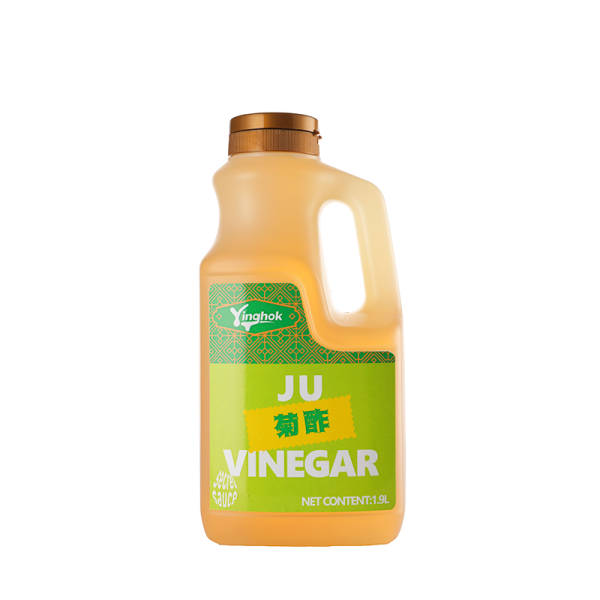
Our chrysanthemum vinegar combines natural floral aroma with clean acidity, delivering a unique and refreshing flavor profile. It is ideal for premium dressings, beverages, cold dishes and creative culinary applications.
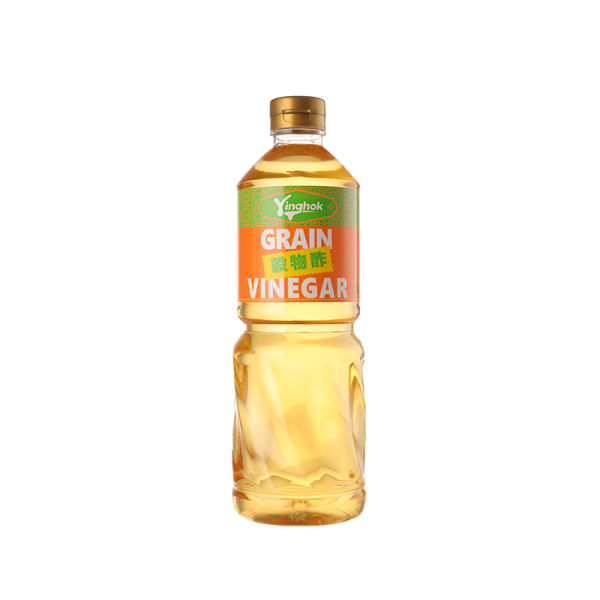
Our grain vinegar offers clean acidity, stable quality and cost efficiency, making it ideal for large-scale production environments. It is widely used in pickled vegetables, food preservation, sauce manufacturing and industrial food processing.