The Importance of Soy Sauce in Sushi

Sushi, a culinary art originating in Japan, has captivated palates worldwide with its exquisite balance of fresh seafood, vinegared rice, and condiments. Soy sauce is the cornerstone of sushi—more than just a dipping sauce, it's an essential component that enhances the entire sushi experience. At Yinghok, we understand that mastering soy sauce requires understanding its composition, proper etiquette, and the crucial role it plays in flavor harmony. This guide explores these aspects in detail, ensuring that enthusiasts and connoisseurs alike can fully appreciate and utilize soy sauce's charm.
The Role of Soy Sauce in Sushi
Soy sauce (called shōyu in Japanese) is more than just a condiment; it enhances the umami flavor of sushi and balances its textures. Its salty, savory flavor complements the delicate savory flavor of raw fish, the sweetness of sushi rice, and the earthy notes of seaweed. Used properly, soy sauce enhances the natural flavors of ingredients without overpowering them.
Furthermore, soy sauce adds depth to sushi, enriching every bite with rich, complex flavors. Soy sauce is particularly effective when paired with lightly seasoned sushi, allowing the umami flavor of fish or vegetables to flourish while adding a satisfying savory flavor.
Soy Sauce Ingredients
Traditional soy sauce is made from just a few simple ingredients, yet its preparation is a meticulous art refined over centuries. Key ingredients include:
Soybeans: The foundation of the sauce, providing a rich and savory base.
Wheat: Adds a touch of sweetness and complexity to the flavor.
Salt: Preserves the mixture and balances its umami with a salty flavor.
Water: Required for fermentation and blending the ingredients.
Kori (Aspergillus oryzae): A unique ingredient used to ferment soybeans and wheat, giving soy sauce its unique depth and aroma.
The fermentation process typically takes months or even years, resulting in a smooth, rich, and perfectly balanced liquid with salt and umami flavors.
Sushi Soy Sauce Etiquette
While soy sauce is an integral part of the sushi experience, it must be used sparingly to fully respect the sushi chef's skill and the quality of the ingredients. Here are some guidelines for proper soy sauce use:
Use soy sauce sparingly: When pouring soy sauce into a small dish, don't overfill it. A small amount is just enough for dipping; otherwise, the sushi will become mushy.
Dipping with sauce: Always place the sushi fish-side down when dipping. This prevents the rice from absorbing too much soy sauce and spreading, while also ensuring the umami flavor of the toppings is more prominent.
No need for additional dipping sauce: Some sushi, such as pre-dipped nigiri sushi, does not require additional dipping sauce. Trust the sushi chef's skill and enjoy its natural flavors.
Use wasabi wisely: If adding wasabi to soy sauce, use it sparingly. Many sushi chefs place wasabi between the fish and rice, but excessive wasabi in the sauce can disrupt the flavor balance.
Avoid Over-Stirring: In traditional sushi cooking, mixing wasabi into soy sauce is considered disrespectful. If you prefer a stronger flavor, apply a small amount of wasabi directly to the fish.
Respect your chopsticks: When dipping sushi, gently hold it with your chopsticks to maintain its shape and appearance.
Types of Sushi Soy Sauce
When choosing soy sauce for sushi, light soy sauce (also known as "usukuchi" in Japan) is recommended because it is lighter in color and less salty, preserving the sushi's visual appeal. Dark soy sauce (koikuchi) has a stronger flavor, but excessive use can mask the subtle flavors of the sushi.
The Art of Soy Sauce Etiquette in Sushi
Proper soy sauce etiquette can enhance the sushi experience and show respect for Japanese culinary traditions.
Dipping Techniques
When dipping sushi in soy sauce, avoid soaking the rice, as this can make it too salty, spread, or disrupt the flavor balance. Simply dip the fish lightly, using just enough soy sauce to complement, not mask, its inherent flavor.
Soy Sauce Presentation and Serving
When serving soy sauce, pour an appropriate amount onto a small, shallow dish and use chopsticks or a spoon to keep it clean and avoid direct contact. Once sushi has been dipped in soy sauce, do not dip it again to maintain tradition and hygiene.
Wasabi and Ginger Pairing
Traditionally, wasabi should be placed directly on the fish or sushi to reduce the need for excessive soy sauce; ginger is used to cleanse the palate between bites and should not be mixed with soy sauce.
Yinghok's Expert Tips on Perfect Sushi and Soy Sauce Pairings
At Yinghok, we believe the perfect sushi dining experience begins with the sauce—our carefully selected ingredients are designed to enhance every bite. We recommend naturally brewed, additive-free soy sauces—such as our light, thin soy sauce, our rich, rich crucian soy sauce, and our mild, sweet soy sauce—to blend seamlessly with the seafood, rather than masking its umami flavor. These premium sauces are available in custom sizes and halal-certified options, preserving the sushi's original flavor while allowing for flexible pairings to suit culinary needs. Serving temperature is crucial—our sauces are carefully blended to fully release their aroma at room temperature, so refrigeration is unnecessary, as this could mask their delicate flavors. Use with caution; a mild seasoning enhances the fish's umami flavor, rather than overpowering its intense umami.
If you prefer bolder flavors, explore our blends, such as yuzu sauce or slightly sweet soy sauce, designed to add fresh and complex flavors to traditional sushi dishes. Whether you're craving an exquisite sashimi platter or a hearty maki roll, Yinghok offers authentic, high-quality sauces (available in private label, bulk, or by sample) to create an exquisite and memorable sushi experience.
Conclusion: Elevate Your Sushi Experience with Yinghok Premium Soy Sauce
The role of soy sauce in sushi goes far beyond simple seasoning; it's a culinary art that requires understanding, respect, and mastery. From its ingredients and fermentation process to proper seasoning etiquette and its ability to create harmonious flavors, soy sauce is an essential element of authentic sushi cuisine.
As a professional custom Asian sauce manufacturer, Yinghok offers a wide variety of Asian-inspired sauces, wines, and specialty seasonings suitable for Chinese, Japanese, Korean, and global cuisines. Our consistent quality and professional customization have earned us a trusted reputation in the Korean, Japanese, European, and North American markets. As one of China's leading seasoning manufacturers, we provide high-quality, reliable flavor solutions to restaurants, food processors, and retailers worldwide, helping them deliver authentic flavors and innovative culinary experiences to consumers. Contact us for customized Asian sauce solutions.

Usukuchi Soysauce, a typical Japanese soy sauce, features light amber color, high saltiness, and refreshing flavor.
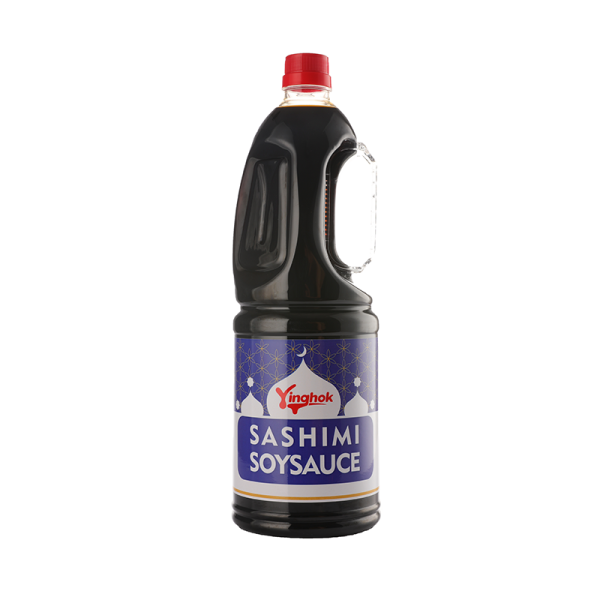
Halal Sashimi Soysauce Wholesale | Sushi Soy Sauce | Restaurant Usage | Halal Certification Soysauce
Sashimi soy sauce is a specially formulated soy sauce for raw foods such as sashimi.

Sashimi soy sauce is a specially formulated soy sauce for raw foods such as sashimi.
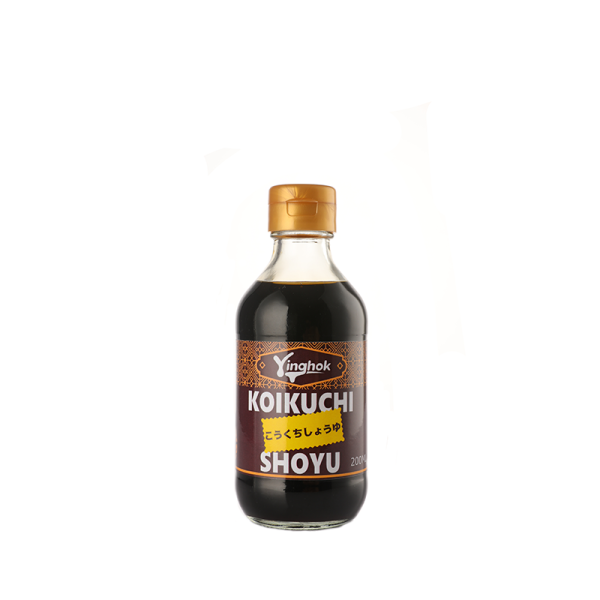
Koikuchi Shoyu is the most common type of soy sauce in Japan,widely used in sashimi, sushi, ramen, stews, and sauces.