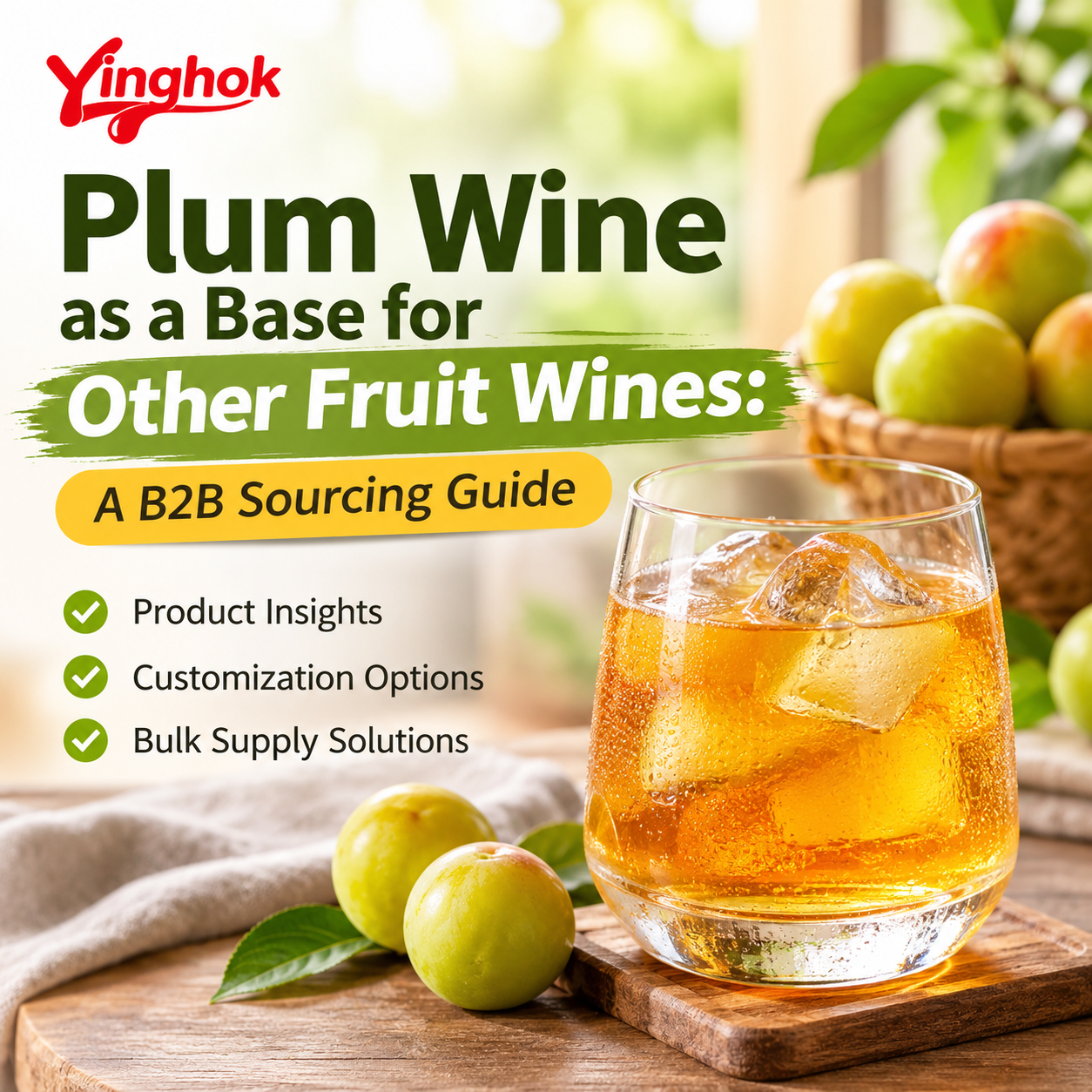
Plum Wine as a Base for Other Fruit Wines: A B2B Sourcing Guide
Nov 21,2026
Ever wondered why a bottle of Japanese plum wine tastes both sweet and tart at once, and how that single ingredient can become the backbone of an entire fruit-wine range? You are in the right place. In this guide we answer the questions buyers ask most: what umeshu actually is, how it differs from regular plum wine, what to specify before you place an order, and how to use it as a base for peach, lychee, cherry and citrus wines. We write from the perspective of a food and beverage manufacturer with OEM, ODM and wholesale programs, so every recommendation here is built around real production constraints rather than theory.
Whether you are launching a private-label fruit wine, reformulating an existing SKU, or simply comparing suppliers, use the sections below in order. Each one is designed to cut a specific decision down to a short, confident answer.
Plum Wine at a Glance
Start here. This quick table compresses the entire sourcing decision into ten lines. If you only read one section, make it this one.
Question
Short answer
Why it matters
What is umeshu?
Plum fruit macerated in alcohol with sugar
Not fermented grape wine; it is a flavored liqueur style base
Typical ABV
10–15% finished; higher for concentrate
Determines duty category and how much you dilute
Best base spirit
Neutral rice or cane spirit
Keeps the canvas clean for a second fruit
Plum maturity
Ripe for aroma, green for acidity
Sets the sweet-tart profile of the final wine
Key spec numbers
Brix, titratable acidity, pH
These three make blending repeatable batch to batch
Fruit content
Ask for a minimum percentage
Drives aroma depth and your unit cost
Additives
None for a clean-label claim
Colour, flavour and sweetener can survive into your SKU
Best format for production
Bulk drum or IBC, or concentrate
Glass is heavy, fragile and expensive to freight
Shelf life
1–3 years unopened, cool and dark
Match order size to consumption rate
MOQ and samples
Negotiable by format; trials available
Always trial your own recipe before a volume order
Bottom line: treat umeshu as a functional ingredient that supplies acid, aroma, sweetness and alcohol in one stream. Write your specification around what your finished formulation needs, not around what a bottle looks like on a shelf.
Why Plum Wine Works as a Production Base
Flavor-forward alcoholic drinks and ready-to-drink formats keep expanding, and fruit-led SKUs compete hard for shelf space. For a producer, the hard part is rarely finding fruit. It is building a stable, balanced base quickly and repeatably. Umeshu solves several of those problems at once.
First, it arrives with a built-in acid structure. Plums are naturally rich in citric and malic acid, and that tartness gives a formulation backbone. Softer fruits such as peach or strawberry, which can taste flat on their own, gain definition when blended onto a plum base. Second, a premium umeshu is steeped in a neutral spirit, so the aroma is clean rather than assertive. It supports a second fruit instead of fighting it. Third, plum already carries positive consumer associations — crisp, refreshing, food-friendly — so a new product needs far less education than one built on a niche fruit.
The practical payoff is line flexibility. One base lot can become a still fruit wine, a sparkling umeshu, a sour, a ready-to-drink cocktail or a low-alcohol format. That is several SKUs from a single ingredient, which is exactly the kind of efficiency a wholesale or private-label program is built on.
Acid backbone
Natural citric and malic acid give blends structure without adding separate acidulants.
Neutral canvas
Clean spirit base lets cherry, peach, lychee or citrus lead the flavor.
Familiar taste
Plum is a recognised flavor in Asian and Western markets, shortening consumer education.
One base, many SKUs
Extend from still wine to sparkling, sour, RTD and low-ABV lines from the same lot.
Three Types of Plum Wine Compared
Not every product labelled "plum wine" is equivalent. Before you request samples, decide which production style fits your process and your label claim. The difference shows up in both flavor and paperwork. This comparison table is the single most useful filter when shortlisting suppliers.
Type
How it is made
Flavor profile
Best for
Watch out for
Honkaku-style steeped real plum
Whole plums macerated in spirit with sugar; no added flavouring
Alcohol, sugar, colour and flavour blended to a plum profile
Strong, sweet, less nuanced
Cost-driven formulations
Artificial notes can dominate after blending; label scrutiny
Concentrate / base
High-sugar, high-strength liquid diluted before use
Depends on dilution; very consistent batch to batch
Large-scale, standardised production
Confirm dilution ratio and final ABV before costing
For most fruit-wine programs, a honkaku-style or a well-documented concentrate gives the cleanest starting point. If you choose a concentrate, always ask for the reconstitution ratio and the ABV after dilution. Without those two numbers, your costing and formulation math will be wrong, and a supply quote that looks competitive on paper can turn out to be expensive in production.
Bottled formats suit retail and sampling; production volumes are usually better served by bulk or concentrate.
Key Specifications to Lock Into Your Purchase Order
A sample that tastes good is only the start. Convert it into numbers your supplier can reproduce. Put the following six items into the specification and request a certificate of analysis for every production lot.
1
Plum origin and maturity
Ask for country of origin, cultivar and harvest maturity. Ripe plums give fuller aroma and softer acidity; green plums give a sharper, more acidic base. The word "plums" alone is not a specification.
2
Base spirit
Neutral spirits such as vodka, clear rice spirit or cane spirit are the most versatile. An aromatic base will narrow the range of fruit you can pair with it later.
3
Sugar and acid balance
Request Brix, titratable acidity and pH, plus an acceptable batch-to-batch tolerance. A stable acid-to-sugar ratio is what makes downstream blending repeatable at scale.
4
Clean label
For a no-additives claim, confirm the absence of artificial colour, flavour, sweetener and preservative. Get it in writing on the spec sheet, not just verbally.
5
Plum or juice content
Higher fruit content usually means deeper aroma and a higher price. Decide the minimum you need for your flavour target and use that number as a costing lever.
6
Consistency and compliance documents
Production licence, batch COA, pesticide-residue and heavy-metal results, and the documents your destination market requires. For cross-border programs these matter as much as price.
Practical tip: shortlist three suppliers and run a blind evaluation. Make the same finished recipe with each sample and compare the results. This reveals more than any datasheet ever will.
Six Ways to Turn One Base Into a Product Line
Once you have a reliable supply, the number of formats you can build grows quickly. These are the routes most manufacturers take, from simplest to most involved.
Second maceration. Steep a second fruit — cherry, peach or lychee — directly in the plum wine for a layered flavor with minimal processing. Blending. Combine with juice, sugar and acid adjustments for a standardised low-ABV fruit wine suited to high-volume production. Sparkling and sours. Use as a flavour base with carbonated water or sparkling wine for plum sodas and sours aimed at younger drinkers.
Ready-to-drink cocktails. Bottle as a cocktail base, alone or paired with citrus, tea or ginger. Low and no alcohol. Dilute or dealcoholise the base while keeping the plum character, then test the result separately because removing alcohol changes the aroma balance. Culinary and dessert. Extend into dessert wine, baking, ice cream and chocolate — small-volume, high-margin uses for the same ingredient.
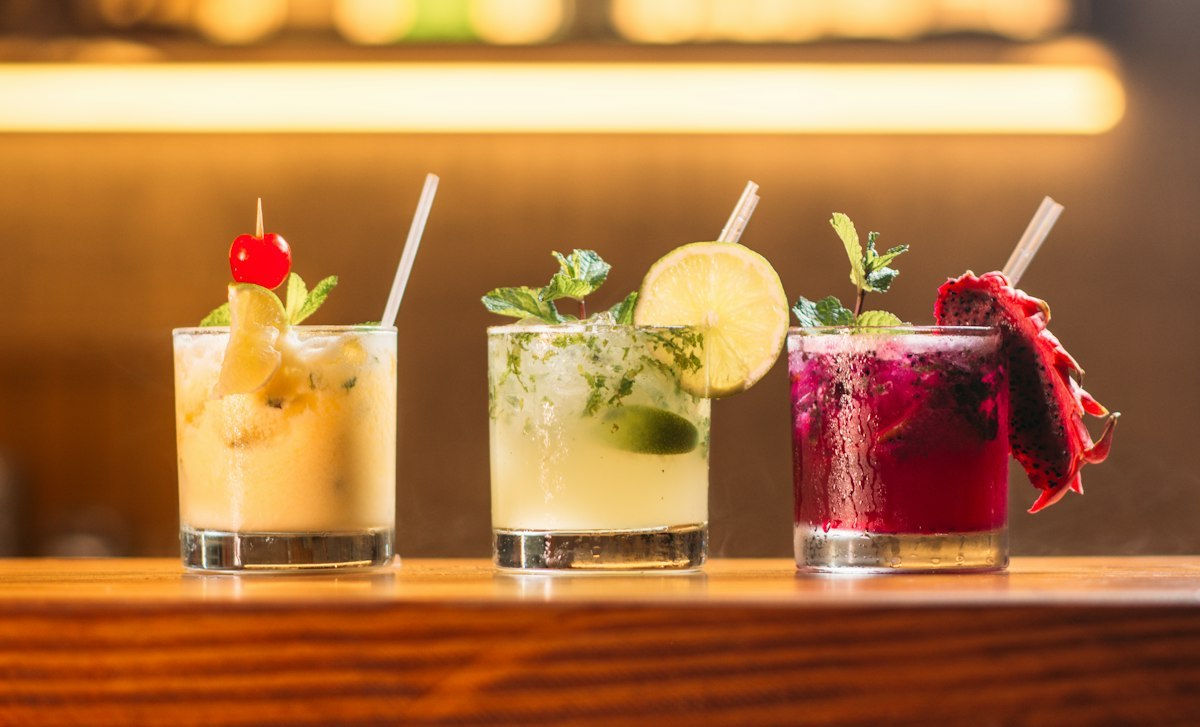
Fruit-forward serves are the most common destination for a plum-wine base in an RTD or cocktail range.
Sourcing Checklist Before You Place the Order
Use this as a final gate. If any box is unchecked, hold the order. A few minutes of verification here prevents weeks of rework later.
Production style confirmed (steeped, compounded or concentrate)
Dilution ratio and final ABV stated in writing
COA with Brix, acidity and pH received for the lot
Ingredient list checked for unwanted additives
Plum origin and maturity documented
Production licence and test reports collected
Sample approved in a trial batch of your own recipe
Total landed cost calculated, not just unit price
On logistics, remember that glass is heavy, fragile and expensive to freight. For production volumes, negotiate bulk formats such as drums or IBC totes, or a concentrate that you reconstitute at your own facility. Reserve bottled supply for retail or sampling. Match order size to your consumption rate and the supplier's stated shelf life, and rotate stock first-in, first-out. Confirm early that the supplier's documents support alcohol excise and customs requirements in your destination market.
Frequently Asked Questions
What ABV is typical for umeshu used as a base?
Most finished umeshu falls between 10% and 15% ABV, while concentrate formats are much higher before dilution. Choose the strength based on your final product target, and always confirm the ABV after reconstitution rather than as supplied. Ask the supplier to state both figures on the quote so your formulation math stays consistent.
Can I use concentrate instead of finished plum wine?
Yes, and it is usually more economical at scale. Concentrate lowers freight and storage cost and improves batch consistency. Ask for the exact dilution ratio and the sensory profile after reconstitution, then verify it in a small trial before committing to volume. Confirm the final ABV so duty and labelling stay correct.
What documents should come with each batch?
A batch certificate of analysis is standard, covering alcohol content, Brix, acidity and pH. On request, residue and heavy-metal testing, production-licence copies and destination-market paperwork can be added. For cross-border orders, request the full document pack before shipping rather than after, to avoid customs delays.
How should plum wine be stored after opening?
Keep it sealed, cool and away from light, and use it promptly. Oxygen and warm temperatures flatten the plum aroma over time. For production, decant into smaller containers so each open lot is consumed quickly instead of sitting half empty. Rotate stock first-in, first-out to protect aroma quality.
Can it be used in low-alcohol or alcohol-free drinks?
Yes. It can be diluted or dealcoholised while retaining much of the plum aroma and acidity, which makes it useful for low-ABV and alcohol-free extensions. Test the dealcoholised version separately, since removing alcohol changes the aroma balance and may require a small acid or sweetness adjustment.
Do you offer OEM or private-label supply?
Private-label and OEM programs are available for qualifying volumes, including custom strength, sweetness and packaging. Share your target specification, annual volume and destination market, and the technical team can confirm what can be customised and provide samples for a formulation trial.
Explore Related Products
Once your specification is defined, these on-site product groups are the natural next step. They cover the base ingredient itself and the fruit-wine formats it can become.
Custom Plum Wine
Review the plum-wine base options, styles and customization available for wholesale and private-label programs. View Custom Plum Wine
Custom Fruit Wine
See how a plum-wine base fits into a wider fruit-wine range, from peach and lychee to cherry and citrus. View Custom Fruit Wine
Custom Sake & Fruit Wines
Browse the full sake and fruit-wine category, including bulk formats and OEM/ODM production capabilities. View Sake & Fruit Wines
OEM & ODM Capability
Learn how a food and beverage manufacturer supports custom strength, sweetness, packaging and documentation for export markets. Browse the product group
Final Takeaway
A good plum-wine base is defined by three things: a balanced acid-and-sugar profile, a clean and compatible aroma, and documentation you can trust. Get the specification right, trial it in your own recipe, and the rest of the launch — blending, bottling and marketing — becomes far more predictable. Use the quick table to decide, the comparison table to shortlist, and the checklist to buy with confidence.