Navigating the Global Palate: Common Challenges Facing Japanese Seasoning Exports and Strategic Solutions with Yinghok
Understanding the Intricacies: Core Challenges in Japanese Seasoning Exports
The journey of a Japanese seasoning from its traditional birthplace to international consumers is often fraught with a unique set of obstacles. We have identified several paramount challenges that consistently impact Japanese seasoning exports, each demanding a nuanced and well-orchestrated approach for effective mitigation.
I. Navigating the Labyrinth of International Regulatory Compliance and Import Restrictions
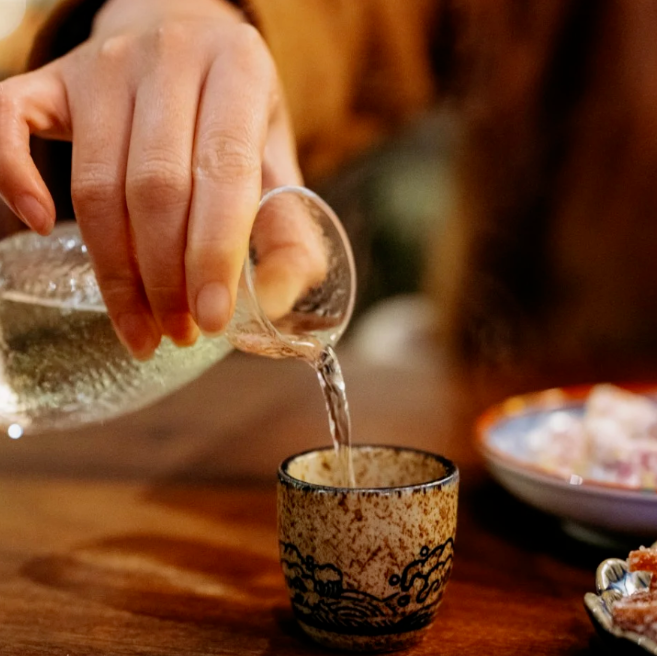
One of the most significant and often daunting challenges for Japanese seasoning exporters is the fragmented and frequently evolving landscape of international food regulations. Each target market, be it the European Union, the United States, or emerging Asian economies, possesses its own intricate web of food safety standards, labeling requirements, ingredient prohibitions, and customs protocols. For instance, the presence of certain food additives permitted in Japan may be strictly forbidden in the EU, necessitating reformulation or market exclusion. Similarly, allergen labeling, nutritional information mandates, and country-of-origin declarations vary widely, requiring meticulous adherence to avoid costly rejections, fines, or product recalls. The bureaucratic processes for import permits and certifications are often cumbersome, demanding extensive documentation and precise interpretation of local laws. For producers of highly specialized items like traditionally fermented miso or sake, additional layers of alcohol or fermentation-specific regulations further compound these complexities. This regulatory heterogeneity not only drives up compliance costs but also significantly extends the time-to-market.
II. Overcoming Logistical Complexities and Securing Robust Supply Chain Integrity
The inherent nature of many Japanese seasonings – often perishable, sensitive to temperature fluctuations, or requiring specific storage conditions – introduces substantial logistical challenges. Maintaining the integrity of the product's quality, flavor, and shelf life during long-distance transit is paramount. Cold chain management for products like fresh wasabi pastes or unpasteurized sake is an absolute necessity, yet incredibly expensive and prone to disruption. High freight costs, particularly for air cargo, can erode profit margins, while reliance on sea freight introduces longer transit times and increased risks of environmental damage or spoilage. Customs delays at various ports of entry, often due to stringent inspections or incomplete documentation, can lead to extended holding periods, further compromising product freshness and market delivery schedules. Furthermore, the global supply chain has demonstrated its vulnerability to external shocks, from pandemics to geopolitical events, which can disrupt shipping routes, increase material costs, and create unpredictable lead times for packaging components or raw materials crucial for seasoning production.
III. Bridging Cultural Divides and Tailoring Market Perception
The nuanced flavors and traditional preparation methods associated with many Japanese seasonings are deeply embedded in Japanese culinary culture. Translating this appeal to diverse international palates and culinary traditions presents a unique marketing challenge. Consumers in different regions may have varying levels of familiarity with Japanese cuisine, requiring extensive product education on usage, flavor profiles, and nutritional benefits. For instance, explaining the versatility of umami-rich dashi or the distinct notes of different types of vinegar to an unfamiliar audience demands a targeted and culturally sensitive approach. Branding and packaging, while celebrating Japanese heritage, must also resonate with local aesthetics and preferences, avoiding stereotypes while effectively communicating premium quality. Overcoming preconceived notions or a lack of understanding regarding authentic Japanese ingredients versus generic alternatives is also critical. Simply put, what appeals to a Tokyo gourmand may not immediately captivate a New York home cook or a Parisian chef without proper contextualization and guidance.
IV. Confronting Intense Global Competition and Navigating Pricing Pressures
The global market for seasonings and condiments is fiercely competitive, saturated with both local producers and other international brands. Japanese seasoning exporters often face the challenge of positioning their premium products against mass-produced, lower-cost alternatives that may mimic certain flavors but lack the authenticity and quality. This competitive landscape exerts considerable pricing pressure, making it difficult for Japanese brands, which often incur higher production and export costs due to quality ingredients and traditional methods, to compete solely on price. The need to differentiate through superior quality, unique heritage, and genuine craftsmanship becomes paramount. However, effectively communicating this value proposition to an international audience, especially when faced with established local brands, requires substantial marketing investment and strategic positioning. Furthermore, the rise of private-label brands and white-label manufacturing also intensifies competition, as retailers seek to offer similar products at lower price points.
V. Adapting to Evolving Demands for Sustainability and Ethical Sourcing
Modern consumers, particularly in developed markets, are increasingly discerning, demanding not only high-quality products but also transparency regarding their origin, environmental impact, and ethical production practices. Japanese seasoning exporters, therefore, face the challenge of demonstrating their commitment to sustainability, ethical sourcing, and corporate social responsibility. This includes traceability of ingredients, sustainable fishing practices for bonito flakes (katsuobushi), environmentally friendly cultivation of rice for sake or mirin, and reduced carbon footprints in manufacturing and shipping. Implementing and effectively communicating these practices can be resource-intensive, yet failing to do so risks alienating a significant segment of the market that prioritizes eco-conscious choices. The pressure from NGOs, media, and even governmental bodies regarding supply chain ethics also adds another layer of scrutiny and compliance requirements.
Strategic Pathways to Global Success: Solutions and the Yinghok Advantage
Despite the formidable challenges, the potential for Japanese seasoning exports to flourish globally remains immense. We believe that by implementing targeted, proactive, and adaptive strategies, coupled with strategic partnerships like Yinghok, producers can not only overcome these obstacles but also carve out dominant positions in the international marketplace.
I. Proactive Regulatory Engagement and Strategic Compliance Expertise
To effectively navigate regulatory hurdles, we advocate for a proactive and comprehensive approach to compliance. This begins with thorough market research into the specific import regulations, labeling laws, and food safety standards of each target country before initiating exports. Investing in regulatory intelligence and leveraging international trade experts, such as those within the Yinghok network, can provide invaluable guidance. Obtaining internationally recognized certifications (e.g., ISO, HACCP, FSSC 22000) not only streamlines export processes but also instills confidence in international buyers and consumers. We recommend early engagement with local customs brokers and food agencies in target markets to clarify requirements and anticipate potential issues. This might involve product reformulation or adaptation to meet specific market regulations, ensuring that compliance is integrated into product development from the outset, rather than being an afterthought. Detailed, accurate, and readily available documentation for every ingredient and process step is non-negotiable.
II. Optimizing Global Logistics and Building Resilient Supply Chains
Addressing logistical complexities requires a multi-pronged strategy focused on efficiency, reliability, and resilience. Implementing advanced cold chain logistics for temperature-sensitive products, utilizing specialized refrigerated containers, and partnering with logistics providers experienced in international food transport are crucial. Diversifying shipping routes and exploring multimodal transport options can mitigate risks associated with single-point failures. For non-perishable goods, optimizing container loading, palletization, and packaging to minimize volumetric weight can reduce freight costs. Embracing technological solutions, such as real-time tracking systems and predictive analytics, can provide greater visibility into the supply chain, allowing for proactive problem-solving. Furthermore, establishing strategic warehousing in key regions can reduce transit times to end-consumers and offer greater flexibility in responding to market demand fluctuations. Yinghok actively seeks to connect producers with optimized logistics partners and innovative supply chain solutions tailored to sensitive Japanese seasonings.

III. Culturally Intelligent Market Entry and Tailored Product Customization
Successful international expansion demands more than just shipping products; it requires a deep understanding of the target market's culture, tastes, and consumer habits. We champion localized market research to identify specific consumer segments, culinary trends, and competitor offerings. This insight can inform product adaptation, such as adjusting salt levels in soy sauce for markets with different dietary preferences or developing new flavor combinations for regional palates. Packaging design should be culturally sensitive, visually appealing, and clearly communicate the product's benefits and usage instructions in the local language. Marketing campaigns should leverage local influencers, chefs, and food media to educate consumers on the versatility and unique qualities of Japanese seasonings, perhaps offering recipe suggestions or demonstrating traditional applications. Yinghok believes in fostering dialogue between Japanese producers and international culinary experts to co-create solutions that bridge cultural gaps effectively. This might involve creating dedicated online content, translated educational materials, and engaging culinary demonstrations.
IV. Strategic Brand Development and Articulating Unique Value Propositions
In a competitive market, differentiation is key. Japanese seasoning exporters must invest in building strong, recognizable brands that communicate their unique selling points – whether it's centuries of tradition, artisanal craftsmanship, rare regional ingredients, or superior flavor profiles. This involves developing compelling brand narratives that resonate with international consumers and justify a premium price point. Strategic alliances with renowned chefs, food critics, or high-end retailers in target markets can elevate brand perception. Digital marketing strategies, including localized e-commerce platforms, engaging social media content, and targeted online advertising, are essential for building brand awareness and direct consumer engagement. Participating in international food trade shows and exhibitions can also provide invaluable opportunities for networking, market feedback, and direct sales. Yinghok assists in crafting these powerful brand stories and connecting producers with global marketing channels, ensuring their authentic heritage is celebrated while appealing to modern palates.
V. Embracing Sustainability as a Core Brand Differentiator
Responding to the growing demand for ethical and sustainable products should not be viewed merely as a compliance burden but as a significant opportunity for differentiation and brand enhancement. Japanese seasoning producers can gain a competitive edge by transparently communicating their commitment to sustainable sourcing practices, such as responsible fishing, organic farming, and minimizing environmental impact throughout their production process. Investing in eco-friendly packaging solutions, reducing food waste, and pursuing energy-efficient manufacturing processes can appeal to environmentally conscious consumers. Certification from recognized sustainability bodies can further validate these efforts. Clear and honest communication of these initiatives on packaging, websites, and marketing materials fosters trust and builds a stronger connection with consumers. We encourage Japanese producers to not only adopt these practices but to proudly showcase them as an integral part of their brand identity.
VI. Leveraging Digital Transformation and E-commerce for Global Reach
The digital realm offers unprecedented opportunities for Japanese seasoning exporters to reach global audiences directly. Establishing localized e-commerce platforms, optimized for different languages and payment methods, can significantly expand market reach beyond traditional distribution channels. Strong SEO (Search Engine Optimization) strategies tailored to international search queries, coupled with compelling content marketing (e.g., blogs, recipes, videos showcasing usage), are vital for organic discoverability. Engaging with social media platforms popular in target markets allows for direct consumer interaction, brand building, and real-time feedback. Utilizing data analytics to understand consumer behavior and preferences across different digital channels can inform product development and marketing efforts. Yinghok provides expertise in navigating these digital landscapes, helping Japanese brands establish a robust online presence that resonates globally.
VII. Forging Collaborative Partnerships and Expanding Distribution Networks
Navigating complex international markets often requires the strength of strategic partnerships. Collaborating with experienced local distributors, importers, and retailers in target countries is critical for effective market penetration and efficient last-mile delivery. These partners offer invaluable insights into local market dynamics, consumer preferences, and established distribution channels. Exploring joint ventures or licensing agreements can also facilitate market entry, sharing both risks and rewards. Participating in government-led export promotion programs and leveraging free trade agreements can further reduce barriers to entry and enhance competitiveness. We at Yinghok believe in building robust ecosystems of support, connecting Japanese producers with reliable international partners, and fostering collaborations that amplify market reach and minimize operational friction.
The Yinghok Commitment to Empowering Japanese Seasoning Exports
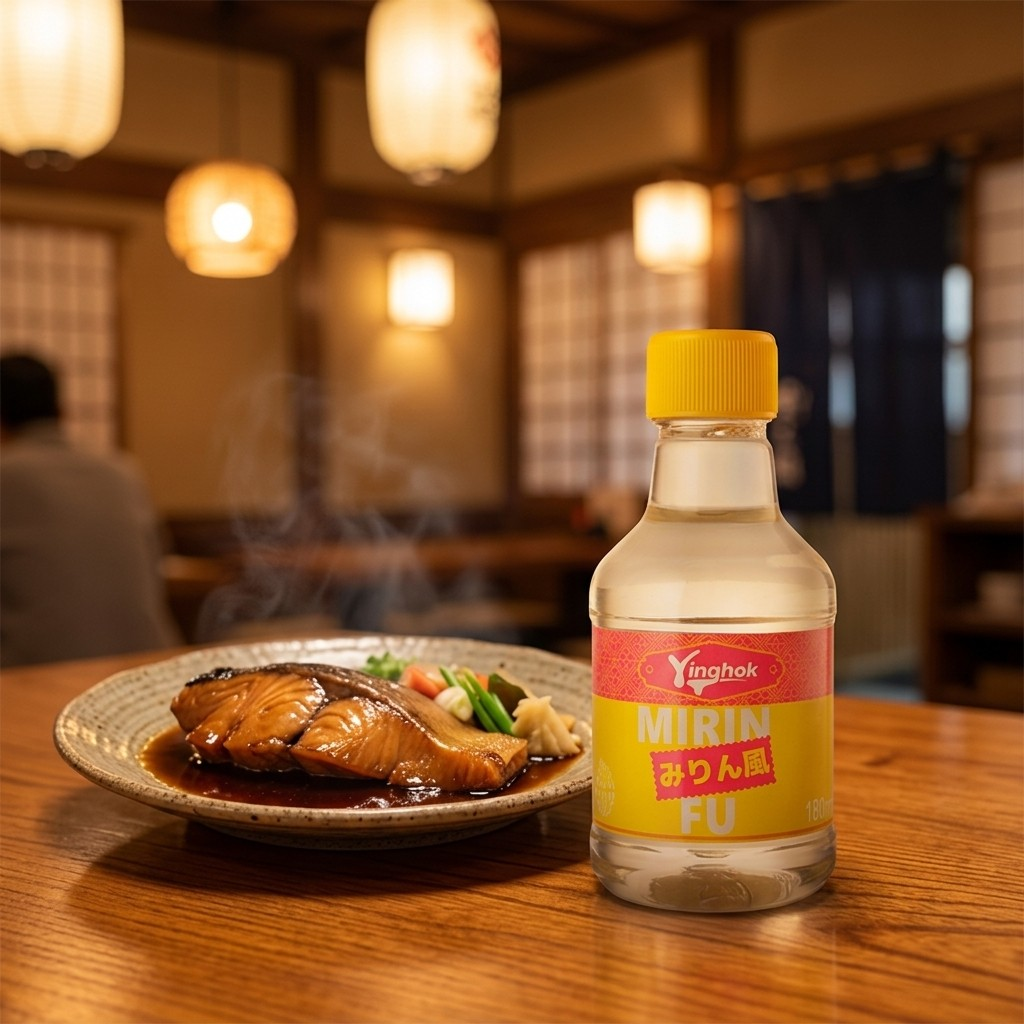
At Yinghok, we recognize the profound value and culinary artistry embedded in Japanese seasonings. Our mission is to empower Japanese producers to transcend traditional boundaries, transforming formidable export challenges into tangible growth opportunities. We provide comprehensive solutions, from bespoke regulatory guidance and supply chain optimization to tailored marketing strategies and global distribution network access. By leveraging our deep expertise and expansive international network, we facilitate seamless market entry, cultivate brand loyalty, and ensure the authentic flavors of Japan captivate palates across the globe. We are committed to fostering the enduring success of Japanese seasoning exports, ensuring that the legacy of quality, tradition, and innovation continues to enrich kitchens worldwide for generations to come. Through strategic partnerships and unwavering dedication, we are paving the way for a vibrant global future for Japanese culinary excellence.
Ready to explore how Yinghok can support your global seasoning export journey? Contact us today to start a conversation.