How to Store and Preserve Leftover Kimchi Sauce: Freezing and Refrigeration Tips
Oh, the glorious dilemma! You've whipped up a magnificent feast with your favorite kimchi, and now you're staring at that precious leftover kimchi sauce, wondering, 'What on earth do I do with this liquid gold?' Trust me, I've been there, heartbroken at the thought of letting even a single drop go to waste.
Fear not, fellow food adventurers! I'm here to share my hard-won wisdom (and a few comical mishaps) on how to impeccably store and preserve that vibrant, spicy goodness. We're talking about extending the life of your beloved kimchi sauce, ensuring every batch brings joy, especially when it's the unparalleled flavor of a quality brand like Yinghok.
Why Proper Kimchi Sauce Storage Matters
My journey into becoming a kimchi sauce preservation evangelist started with a personal tragedy. I had just finished a large jar of my favorite artisan kimchi. The remaining sauce was particularly vibrant and delicious. I put the jar in the fridge, promising myself I would use the sauce "soon." A few weeks later, buried behind a forgotten tub of yogurt, I found it. A sad, fuzzy layer of mold had formed on the surface. The heartbreak was real. I had failed this liquid gold.
From that day forward, I vowed to do better. I embarked on a mission to understand the science and art of preserving this incredible flavor enhancer. I experimented, I failed (hello, exploding jars and freezer-burned sauce), and I eventually succeeded. This guide is the culmination of that crusade, a tribute to the sauce I once lost, and a promise that you'll never have to experience the same culinary heartache.
Deciphering the Deliciousness: What Makes Yinghok Kimchi Sauce So Special?
What exactly is in this magical elixir? Kimchi sauce is the byproduct of the fermentation process that gives kimchi its distinctive taste. It's a complex blend of ingredients that, when combined and fermented, create a flavor profile that is spicy, sour, salty, and packed with umami.
While recipes vary, a high-quality kimchi sauce, like that from a premium brand, typically contains a symphony of the following ingredients:
● Gochugaru (Korean Chili Powder): This is the heart and soul of kimchi's color and spice. It provides a balanced heat that isn't just about being fiery but also has a subtly sweet and smoky depth.
● Garlic and Ginger: These aromatics provide a pungent, zesty kick that cuts through the richness and adds layers of complexity.
● A Sweet Element: Many recipes include a touch of sweetness from pear, apple, or even a sweet rice flour porridge. This doesn't make the sauce sweet, but rather balances the salt and spice, and provides food for the beneficial bacteria during fermentation.
● The Fermentation Factor: During fermentation, lactic acid production can lower the product's pH and contribute to microbial control. However, fermentation alone should not be treated as a universal food-safety guarantee. The safety and shelf life of a fermented product depend on its formulation, fermentation process, validated controls, packaging, and storage conditions.
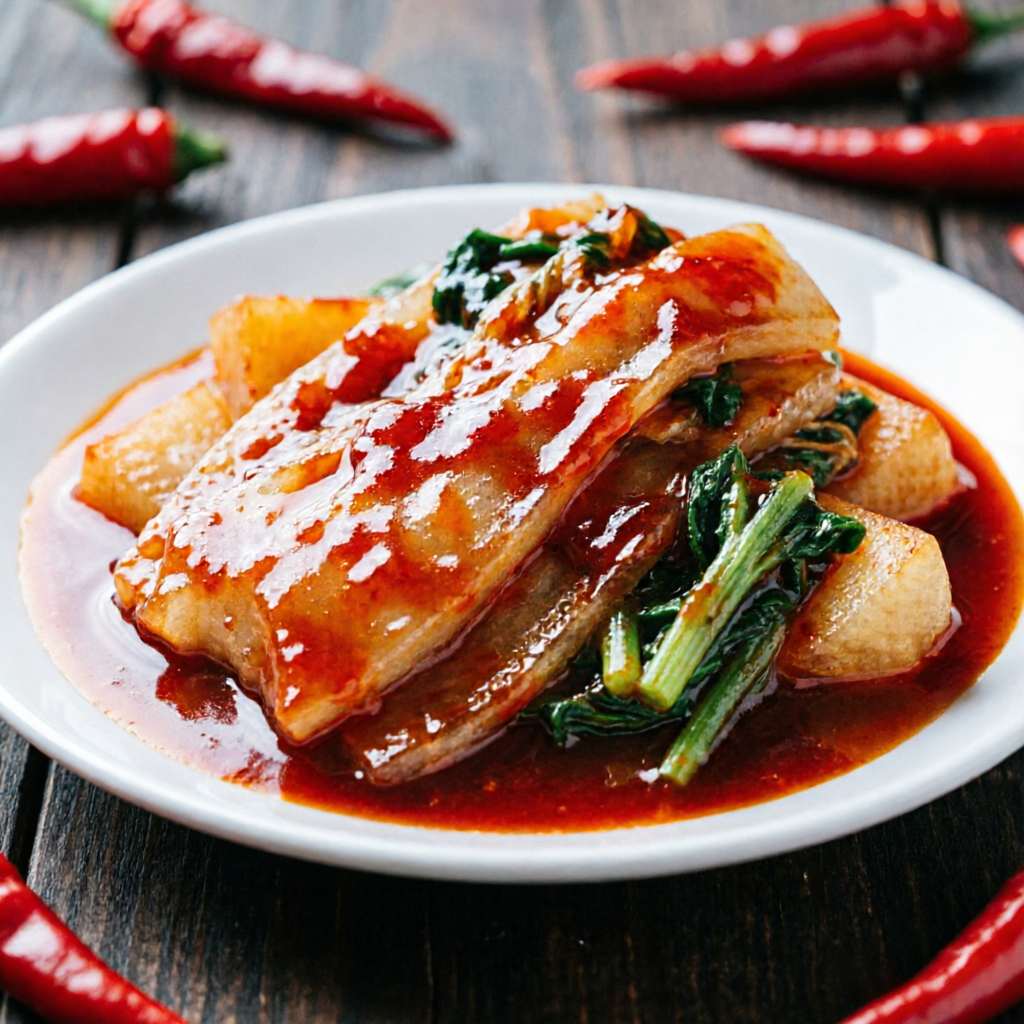
Refrigeration Rhapsody: Keeping Your Kimchi Sauce Cool and Collected for Everyday Enjoyment
For short-term storage and everyday use, refrigeration is your best bet. The cool, stable environment of your fridge slows down the fermentation process that gives kimchi its signature sourness, keeping the sauce's flavor profile relatively consistent. Storing your sauce correctly in the fridge ensures it's ready to grab whenever you need a quick flavor boost for a weeknight meal.
Pro-Tip: No matter which container you use, leave a little bit of headspace at the top—about an inch or so. The sauce is still a living product and may release fermentation gases, creating pressure inside the container. This extra space allows for some circulation and prevents a potential overflow a potential overflow.
How Foodservice Operators Should Handle Kimchi Sauce
Restaurant Kitchens
· Use clean utensils
· Keep containers closed
· Refrigerate according to product instructions
· Date opened containers where required by your food safety program
· Avoid repeated temperature abuse
Central Kitchens
· Standardize portioning
· Record batch information
· Establish storage procedures
· Maintain traceability
Food Manufacturers
· Use product specifications
· Define storage temperature
· Confirm shelf-life requirements
· Verify packaging suitability
· Follow HACCP / preventive-control procedures
What Is Commercial Kimchi Sauce?
For restaurants, food manufacturers, and retail brands, commercial kimchi sauce is different from leftover kimchi brine. A formulated kimchi sauce can be developed for specific applications such as kimchi production, salad dressing, marinades, Korean-style dishes, and foodservice use.
If you are sourcing kimchi sauce for commercial production, explore Yinghok's custom salad and kimchi sauce solutions for OEM/ODM and wholesale applications.
Kimchi Sauce Food Safety vs. Flavor Quality
The storage life of kimchi sauce depends on the specific formulation, processing method, packaging, storage temperature, and whether the product has been opened and exposed to potential contamination. Flavor changes caused by continued fermentation should not automatically be interpreted as proof that a product is safe to eat. Likewise, the absence of an off odor or visible mold does not guarantee food safety.
Here is a general timeline of what to expect from its flavor evolution:
| Time Frame | Expected Flavor Profile | Best For |
| Week 1-4 | Vibrant, spicy, moderately tangy, and fresh-tasting. | Raw applications: salad dressings, dips, finishing sauces. |
| Month 1-3 | The tanginess and sour notes become more pronounced as fermentation continues slowly. The initial spicy kick may mellow slightly. | All-purpose use: marinades, stir-fries, and raw applications if you enjoy a sourer taste. |
| Month 3+ | The sauce will be noticeably more sour and deeply fermented. It's perfectly safe but may be too pungent for some raw uses. | Cooked dishes: stews (like kimchi-jjigae), braises, and fried rice, where the intense flavor can be balanced. |
It's important to remember that kimchi is a live, fermented food. Its flavor will continue to evolve and get more sour over time, even in the cold. This isn't a sign of spoilage, but rather a natural progression. Many Korean cooks treasure older, more sour kimchi and its juice for cooking, as it adds a depth of flavor that younger kimchi can't match.
My Top Secret Tips for Maximizing the Freshness of Your Kimchi Sauce
Over the years, I've developed a few non-negotiable habits to ensure my refrigerated kimchi sauce stays as fresh as possible for as long as possible.
● Use a Clean Utensil, Always: This is the cardinal rule. Never dip a used or dirty spoon into your kimchi sauce. Introducing foreign bacteria can lead to spoilage and mold. I keep a dedicated spoon right next to the jar for this very purpose
● Location, Location, Location: Store the container in the coldest part of your fridge, which is usually the back of the bottom shelf, not the door. The temperature in the fridge door fluctuates every time you open it, which can accelerate fermentation and degrade the quality of the sauce.
● Minimize Air Exposure: Air is the enemy of freshness. After each use, ensure the lid is screwed on tightly. If you've used a significant amount of sauce, consider transferring the remainder to a smaller jar. Less air in the container means a longer, happier life for your sauce.
● Keep It Submerged: If there are any little bits of vegetable or seasoning in your sauce, give the jar a little swirl or use a clean spoon to push them down below the surface of the liquid. This prevents them from drying out and potentially molding.
By following these simple refrigeration rules, you can keep that delicious kimchi sauce on hand and ready to elevate your meals at a moment's notice.
Freezing Fiesta: Turning Your Kimchi Sauce into a Future Flavor Blast
Freezing can be a practical option for longer-term storage. At 0°F (-18°C), properly handled frozen food can remain safe, although flavor, color, aroma, and texture may decline over time. For commercially packaged kimchi sauce, follow the manufacturer's freezing instructions if freezing is permitted.
While freezing can slightly alter the texture and mellow the flavor, the change is minimal, especially when the thawed sauce is used in cooked dishes. The convenience of having perfectly portioned kimchi flavor bombs ready to go far outweighs any subtle shifts in taste.
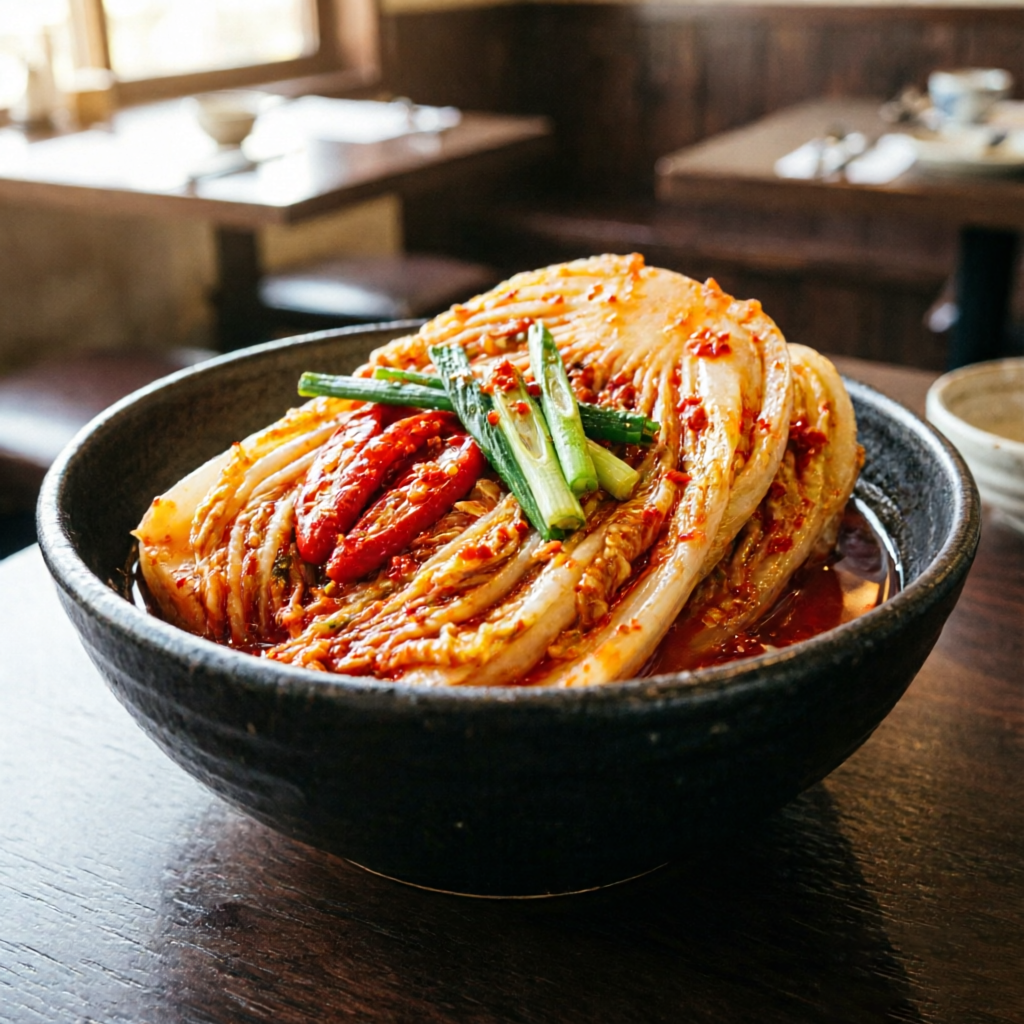
Arming Yourself: Essential Tools for Freezing Kimchi Sauce with Finesse
Before you start, gather the right equipment. Having these tools on hand will make the process smooth, clean, and efficient.
★ Ice Cube Trays: This is my absolute favorite method. Standard ice cube trays are perfect for creating small, manageable portions. I recommend silicone trays as they make it incredibly easy to pop out the frozen cubes. Designate one or two trays specifically for savory items like kimchi sauce to avoid any lingering smells tainting your regular ice.
★ Freezer-Safe Bags: Once your sauce cubes are frozen solid, you'll need heavy-duty, zip-top freezer bags to store them in. These bags provide an extra layer of protection against freezer burn.
★ Baking Sheet: A small baking sheet that fits flat in your freezer is crucial for keeping the ice cube trays level while the sauce freezes, preventing messy spills.
★ Permanent Marker: Don't skip this! A permanent marker is essential for labeling your freezer bags with the contents ("Kimchi Sauce") and the date. Trust me, mystery cubes in the freezer are never a fun surprise.
The Art of Portion Control: Freezing Kimchi Sauce for Effortless Culinary Adventures
The key to successfully freezing sauce is all about portioning. Freezing a giant block of sauce is impractical and leads to waste, as you'd have to thaw the whole thing for a small recipe. The ice cube tray method solves this problem beautifully.
Step-by-Step Guide to Freezing Kimchi Sauce:
▶ Cool it Down: If the sauce is warm, cool it promptly using an appropriate food-safe method rather than leaving it at room temperature for an extended period. Once sufficiently cooled for your storage container and handling procedure, transfer it to the refrigerator or freezer. Foodservice operators should follow their local food code and established cooling procedures.
▶ Fill the Trays: Carefully pour or spoon the kimchi sauce into the compartments of your ice cube tray. Place the tray on a baking sheet to keep it stable and catch any drips.
▶ Freeze Solid: Place the baking sheet with the filled tray flat in your freezer. Let it freeze completely, which usually takes a few hours or overnight, depending on your freezer's temperature.
▶ Transfer to a Bag: Once the cubes are frozen solid, remove them from the tray. If you're using a silicone tray, they should pop right out. Transfer the cubes into a heavy-duty freezer bag.
▶ Label and Store: Before sealing the bag, squeeze out as much air as possible to help prevent freezer burn. Label the bag with "Kimchi Sauce" and the date you froze it. Now you can toss the bag back into the freezer.
Each cube is a perfect, pre-measured flavor bomb, typically holding about 1-2 tablespoons of sauce. Need to spice up a stir-fry? Just toss in a cube. Making a marinade? Grab three or four. It's a game-changer for quick and flavorful cooking.
The Gentle Awakening: Best Practices for Thawing Your Frozen Kimchi Sauce
When you're ready to use your frozen kimchi sauce, how you thaw it matters. A gentle thaw will best preserve its flavor and texture.
Here are the best methods, ranked from best to worst:
◆ Refrigerator Thawing (The Gold Standard): This is the safest and most effective method. Simply take out the number of cubes you need, place them in a small bowl or container, and let them thaw in the refrigerator overnight. This slow, gentle process helps the sauce retain its flavor.
◆ Cold Water Bath (The Quick Method): If you're in a hurry, place the frozen cubes in a sealed, leak-proof baggie and submerge them in a bowl of cold tap water. Change the water every 30 minutes to ensure it stays cold. The sauce should thaw in an hour or less.
◆ Use From Frozen (For Hot Dishes): If you are adding the sauce to something that's already cooking, like a soup, stew, or a sizzling pan for fried rice, you can often just toss the frozen cube directly into the pot. It will melt quickly and incorporate into the dish.
◆ Microwave Thawing (The Last Resort): While possible, thawing in the microwave is my least favorite method. The aggressive heat can sometimes "cook" the sauce, altering its flavor and texture. According to the USDA, if you thaw food in the microwave, it should be cooked immediately afterward. Use this method only if you plan to add the sauce to a dish right away.
For best quality, avoid repeated thawing and refreezing. Portion the sauce before freezing so you can thaw only the amount needed. If a product has been held at unsafe temperatures, discard it rather than refreezing it. This can seriously degrade the quality and texture, resulting in a mushy, unappealing product.
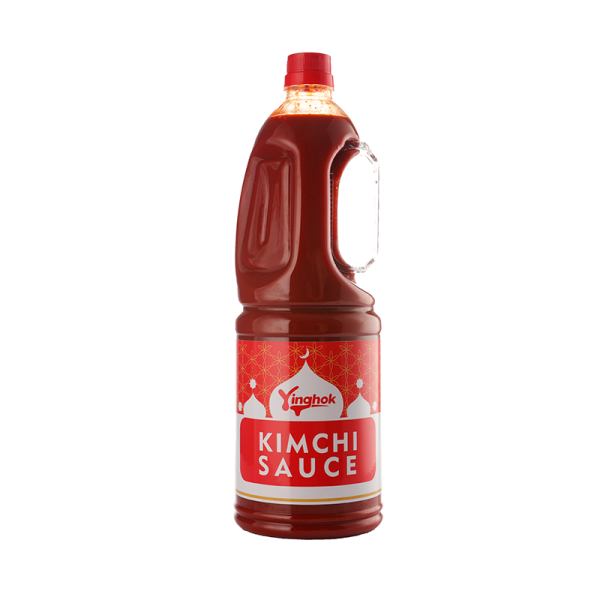
Halal certified kimchi sauce with balanced spicy-sour taste, perfect for halal food production.
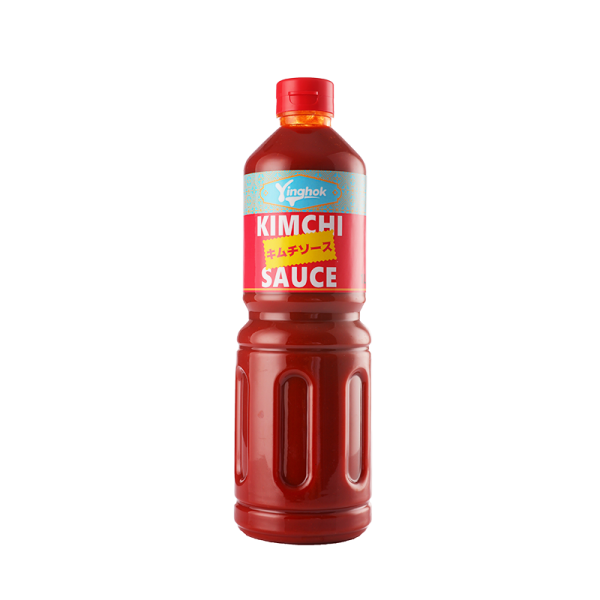
Make fresh, spicy kimchi at home easily with this classic Korean fermented seasoning.
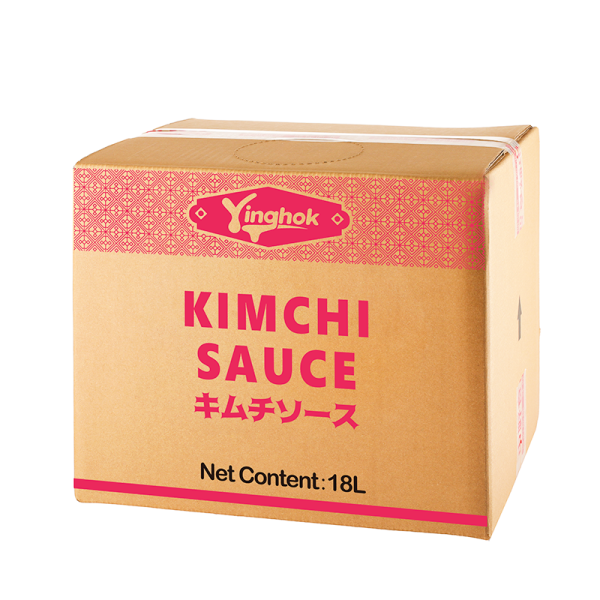
Authentic kimchi sauce with traditional fermented flavor, ideal for commercial kimchi making and catering.
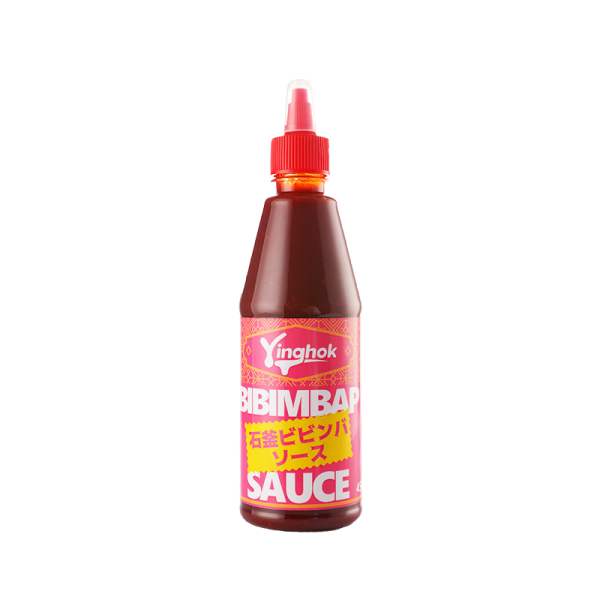
Stone Pot Bibimbap aka Korean Bibimbap, as a Korean classic, its soul is the special bibimbap sauce.
Kimchi Sauce Catastrophes (and How I Avoid Them Now) While Storing Leftovers
Like any food product, preserved kimchi sauce can go bad. Knowing what to look for is key to enjoying your liquid gold safely and avoiding any unpleasant surprises. Through my own trials and tribulations, I've learned to spot the difference between normal fermentation changes and true spoilage.
The Dreaded 'Off' Scent: Recognizing Spoiled Kimchi Sauce and When to Let Go
Your nose is your first and best line of defense. Properly fermented kimchi and its sauce have a distinctively pungent, sour, and garlicky aroma that, while strong, is generally pleasant and mouthwatering to those who love it. When it spoils, that smell changes dramatically.
Trust your senses. Here are the red flags to watch for:
❤ Visible Mold: This is the most obvious and non-negotiable sign of spoilage. If you see any fuzzy patches—whether they are black, green, blue, or white—it's time to discard the entire container. Do not try to scrape it off, as mold can have invisible roots that penetrate deep into the sauce.
❤ An "Off" or Rotten Smell: Spoiled kimchi sauce won't just smell extra sour; it will smell genuinely bad. Think rotten, putrid, or unpleasantly pungent in a way that is different from its usual funky aroma. Some might even describe it as smelling like alcohol, which indicates a yeast overgrowth.
❤ Slimy Texture: The sauce itself might develop a slimy or mucilaginous consistency that is different from its normal liquid state. This is a sign that spoilage bacteria have taken over.
❤ Dull Appearance: Fresh kimchi sauce is typically vibrant and colorful. If it looks dull, discolored, or cloudy in an unusual way, it's past its best.
A Note on "Kahm Yeast": Sometimes, a flat, thin, white film can form on the surface of fermented foods. This is often "kahm yeast," not mold. It's generally considered harmless, but it can impart an off-flavor. While some people just skim it off, the safest practice, especially for beginners, is the old mantra: when in doubt, throw it out.
Separation Anxiety: When Your Kimchi Sauce Looks a Little Unsettled, Is It Still Good?
It's completely normal to open your jar of refrigerated kimchi sauce and see that it has separated into a clearer liquid and a cloudier, sediment-filled layer at the bottom. This is not a sign of spoilage!
This separation is a natural physical process. The solid particles from the chili powder, garlic, ginger, and other seasonings are simply heavier and will settle out of the liquid over time. All you need to do is give the jar a good shake or a vigorous stir with a clean spoon to "emulsify" it again. The sauce will come right back together, ready for you to use.
My Culinary Adventures: Beyond the Basics with Preserved Kimchi Sauce
You've successfully stored your precious kimchi sauce, and now comes the best part: using it! This liquid gold is far too valuable to just sit in the back of your fridge. Think of it as a secret weapon, a concentrated flavor bomb ready to transform ordinary meals into extraordinary culinary experiences. By using every last drop, you're not just making delicious food; you're practicing a more sustainable, zero-waste approach in the kitchen.
Reimagining Meals: Innovative Recipes Using Saved Yinghok Kimchi Sauce
Once you start thinking of kimchi sauce as an ingredient rather than just a byproduct, a whole new world of flavor opens up. That refrigerated sauce or those frozen cubes are your ticket to instant deliciousness.
Here are some of my favorite ways to use that saved sauce:
✔ The Ultimate Marinade: Kimchi sauce is a phenomenal marinade for meats, tofu, and vegetables. Its natural acidity helps to tenderize proteins, while the complex blend of garlic, ginger, and chili infuses everything with incredible flavor. Try soaking chicken thighs or pork belly in the sauce overnight before grilling or roasting. For a vegetarian option, it's a game-changer for firm tofu or tempeh before pan-frying.
✔ Dynamic Salad Dressings and Dips: Give your salads a kick by using kimchi sauce as a base for a vinaigrette. Whisk it with some sesame oil, a touch of maple syrup or honey for balance, and maybe some rice vinegar for extra tang. You can also stir it into mayonnaise or Greek yogurt to create a zesty, creamy dipping sauce perfect for fries, chicken wings, or raw veggies.
✔ Soup and Stew Supercharger: A few spoonfuls of kimchi sauce can enliven almost any soup or stew. It adds a layer of umami and a gentle hum of heat to broths like ramen or udon noodle soup. It's also the secret to an extra-flavorful kimchi-jjigae (kimchi stew) or a way to add complexity to a hearty beef or lentil stew.
✔ Next-Level Fried Rice: Kimchi fried rice is a classic for a reason. Instead of just using chopped kimchi, add a generous splash of the sauce to the rice while cooking. It coats every grain in that spicy, tangy goodness, ensuring maximum flavor in every bite.
✔ Bold Beverages: Feeling adventurous? A dash of kimchi sauce can replace the hot sauce and horseradish in a Bloody Mary for a spicy, umami-rich twist on the classic brunch cocktail. Some people even take a small shot straight up for its flavor and probiotic benefits!
Here are a few simple recipe ideas to get you started:
| Recipe Idea | How to Use Kimchi Sauce |
| Kimchi Aioli | Whisk 1/2 cup mayonnaise with 2 teaspoons of kimchi sauce and 1 teaspoon of lemon juice. Perfect for burgers or as a dip for fried foods. |
| Spicy Udon Noodles | Sauté bacon or protein of your choice, add kimchi sauce and cooked udon noodles, and stir-fry until everything is well-coated and hot. |
| Kimchi Mac & Cheese | Add a few tablespoons of kimchi sauce to your cheese sauce. The acidity cuts through the richness of the cheese beautifully. |
Quick Pickling Liquid | Have some leftover crisp vegetables like radishes or cucumbers? Slice them thinly and submerge them in your leftover kimchi sauce for a day or two in the fridge for a quick pickling adventure. |
Sustaining the Savory: Zero-Waste Kitchen Habits for Your Cherished Kimchi Sauce
Embracing the "root-to-stem" philosophy isn't just for vegetables; it applies to condiments, too! Saving and using your leftover kimchi sauce is a fantastic step toward a zero-waste kitchen. It's about recognizing the value in what might otherwise be discarded and using creativity to transform it.
This practice is not only environmentally friendly but also economically smart. You're essentially getting a second, incredibly versatile product—an all-purpose flavor enhancer—for free every time you buy a jar of kimchi.
Here's how to make it a sustainable habit:
☞ Always Have a Plan: When you get near the bottom of a kimchi jar, start thinking about how you'll use the sauce. Will you make a marinade this week? A batch of soup? Having a plan ensures it won't be forgotten.
☞ Make "Kimchi Scrap" Veggies: Don't throw away those broccoli stems, kale ribs, or watermelon rinds! You can chop them up and ferment them in leftover kimchi brine to create a delicious, zero-waste "scrap kimchi."
☞ Start aFermentation Station: Use a splash of your live kimchi brine to kick-start other fermentation projects, like a new batch of sauerkraut or other pickled vegetables. The active microbes in the brine will give your new ferment a head start.
By adopting these habits, you honor the ingredients and the effort that went into making the kimchi. You reduce waste, save money, and infuse your cooking with incredible, complex flavors. It’s a delicious win-win-win.
Frequently Asked Questions (FAQ)
1. Can I really freeze kimchi sauce? Won't it ruin the flavor?
Yes, you absolutely can freeze kimchi sauce! Freezing is a great way to preserve it for long-term use. While the freezing and thawing process can cause very subtle changes, like a slightly milder flavor or a softer texture for any vegetable bits, many people don't notice a difference, especially when the sauce is used in cooked dishes like stews or stir-fries.
2. How Long Does Kimchi Sauce Last in the Refrigerator?
There is no single refrigerator shelf-life that applies to every kimchi sauce. Storage life depends on the formulation, processing method, packaging, acidity, salt level, and handling after opening. For commercially packaged kimchi sauce, follow the manufacturer's storage instructions and use-by guidance. Once opened, keep the product refrigerated when required and avoid cross-contamination by using clean utensils.
3. My kimchi sauce separated in the fridge. Has it gone bad?
Separation can occur naturally in sauces, but separation alone cannot determine whether a product is safe. It's just the solid particles (from spices like gochugaru) settling at the bottom. Simply give the container a good shake or stir it with a clean spoon to mix everything back together before using it. Check the product's storage instructions and look for other signs of spoilage.
4. What's the difference between mold and kahm yeast on my kimchi sauce?
Mold is fuzzy, three-dimensional, and can be green, black, blue, or white. If you see mold, you must discard the entire batch. Kahm yeast, on the other hand, typically appears as a flat, thin,-white, or off-white film on the surface. If you notice an unusual film, growth, mold, or other unexpected change, do not taste the product to determine whether it is safe. When in doubt, follow the manufacturer's guidance or discard the product.
5. Can I use the leftover sauce to make a new batch of kimchi?
You can use it as a "starter" to kick-start the fermentation of a new batch of kimchi or other fermented vegetables. The live cultures in the brine will help get the process going
6. My frozen kimchi sauce cubes look a little dull. Are they still good?
Yes, a slight dulling of the vibrant red color after freezing is normal and doesn't indicate spoilage. As long as it smelled fine before you froze it and was stored properly in a freezer-safe bag, it's perfectly good to use
So there you have it, my friends! From quick refrigeration sprints to long-haul freezing voyages, preserving your kimchi sauce doesn't have to be a daunting task. With these strategies, you can confidently rescue every bit of that amazing flavor.
Go forth and conquer your kitchens, armed with the knowledge to keep your Yinghok kimchi sauce fresh and flavorful, ready to elevate any dish at a moment's notice. Your taste buds (and your wallet) will thank you.
Contact Yinghok today to discuss your custom kimchi sauce needs and discover how we can support your culinary success.
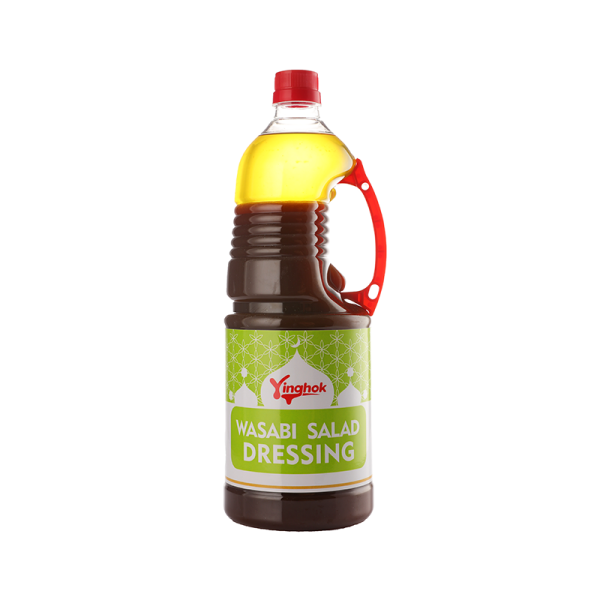
Halal certified wasabi salad dressing with smooth, balanced heat, perfect for halal catering and daily use.
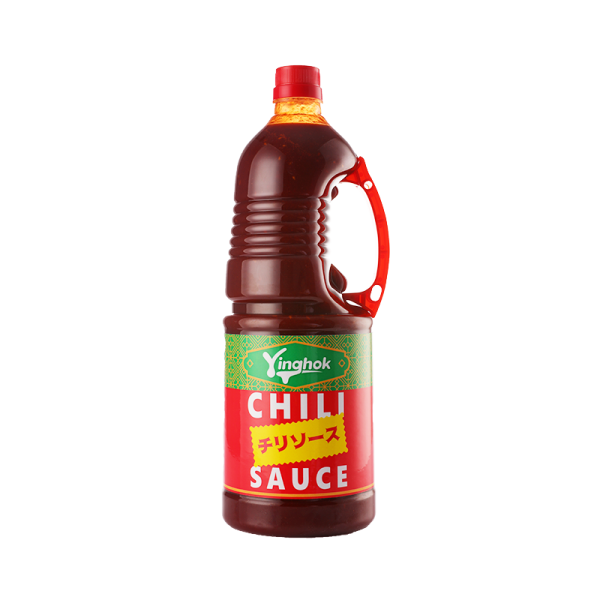
Spicy and savory chili sauce with rich flavor, ideal for commercial cooking, marinating and food manufacturing.
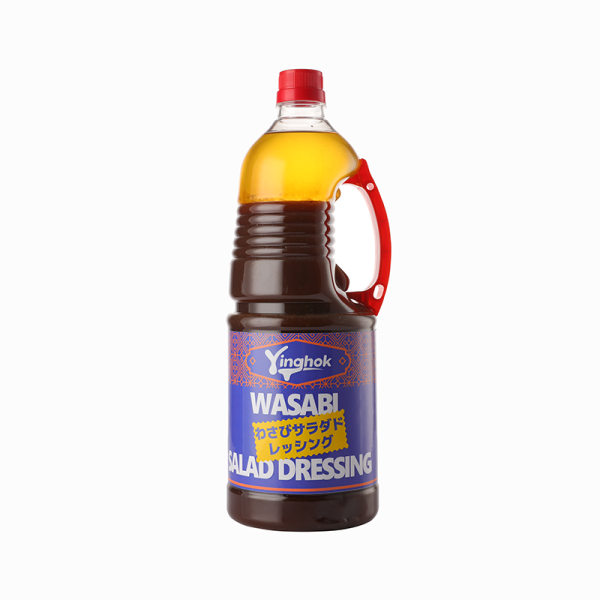
Wasabi Salad Dressing is a distinctive and versatile sauce made primarily with mustard as its flavoring agent.
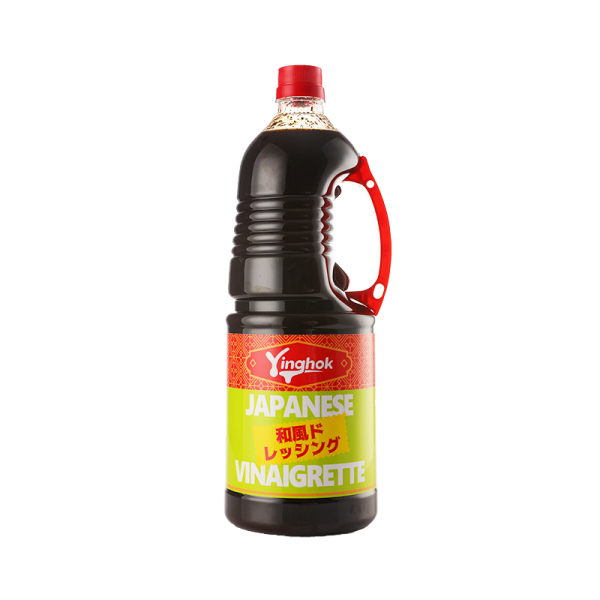
Light and healthy Japanese vinaigrette with balanced sweet-savory taste, ideal for commercial salads and cold dishes.