How to Start a Private Label Japanese Sauce Brand
Walk into almost any supermarket today, browse a food delivery app, or scroll through an online marketplace, and you'll notice one thing: Japanese flavors are everywhere.
From sushi restaurants and ramen shops to meal kits and premium grocery stores, consumers are increasingly looking for authentic Japanese condiments and seasonings. Soy sauce, teriyaki sauce, sushi sauces, ponzu, wasabi products, and ramen soup bases have evolved from niche products into mainstream staples in many global markets.
This shift creates an enormous opportunity for entrepreneurs, food brands, distributors, retailers, and e-commerce sellers who want to launch their own private label Japanese sauce brand.
Unlike creating a food product entirely from scratch, private label manufacturing allows businesses to leverage an experienced manufacturer’s expertise, facilities, and quality systems while focusing on branding, sales, and market expansion.
For many growing brands, this approach significantly reduces development risk while accelerating time-to-market.
Understanding the Japanese Sauce Market Before You Launch
Launching a successful sauce brand starts with understanding what customers actually want.
The global appetite for Japanese cuisine continues to expand because consumers associate Japanese food with authenticity, premium quality, balanced flavors, and healthy ingredients.
1. Key Consumer Trends Driving Growth
Premium and Authentic Flavors
Today's consumers are becoming more adventurous. They want authentic culinary experiences rather than generic alternatives. Japanese sauces that deliver genuine flavor profiles often command higher prices and stronger customer loyalty.
Clean Label and Natural Ingredients
Many buyers now actively read ingredient labels. Products featuring natural ingredients, reduced additives, and transparent sourcing often enjoy stronger market acceptance.
Convenience and Ready-to-Use Products
Modern consumers value convenience. Ready-to-use sushi sauces, dipping sauces, marinades, and ramen seasonings simplify meal preparation while delivering restaurant-quality flavor at home.
2. Identifying Your Target Customer
Before selecting products, define exactly who you want to serve.
Retail Consumers
Retail shoppers typically prioritize attractive packaging, trusted branding, and easy-to-use products.
Restaurants and Foodservice
Restaurants need consistent flavor, bulk packaging options, and dependable supply chains.
Online Marketplace Buyers
E-commerce customers often focus on unique flavors, premium positioning, customer reviews, and visual branding.
Understanding your audience will influence every decision, from product formulation to packaging design.
3. Choosing the Right Japanese Sauce Products for Your Brand
One of the biggest advantages of entering the Japanese sauce market is the wide range of products available.
Soy Sauce
Soy sauce remains the foundation of Japanese cuisine and represents one of the largest market opportunities. Variations may include:
- Traditional soy sauce
- Low-sodium soy sauce
- Organic soy sauce
- Gluten-free soy sauce
- Premium brewed soy sauce
Teriyaki Sauce
Teriyaki sauce appeals to both home cooks and restaurants due to its sweet-savory flavor profile and versatility.
Consumers commonly use it for:
- Grilling
- Marinating
- Stir-frying
- Dipping
Sushi Sauces
Sushi sauces continue to experience strong demand because of the growth of sushi restaurants and at-home sushi preparation.
Popular options include:
- Eel sauce
- Sweet soy glaze
- Spicy sushi sauce
- Japanese mayonnaise-based sauces
For businesses looking to enter this market, working with a manufacturer specializing in custom sushi sauces can provide significant advantages in flavor development and market differentiation.
Yinghok offers a comprehensive portfolio of customizable Japanese sauces designed specifically for international brands, distributors, retailers, and foodservice customers. Their product range includes sushi sauces, soy-based seasonings, wasabi products, ramen seasonings, and numerous customized flavor solutions that help brands stand out in competitive markets.
4. Building a Unique Brand Position
Launching another generic sauce product rarely creates lasting success.
Instead, focus on developing a clear and compelling brand identity.
Ask yourself:
- What problem does my brand solve?
- Who is my ideal customer?
- What makes my products different?
- Why should buyers choose my brand instead of competitors?
Your brand story might emphasize authenticity, premium ingredients, innovative flavors, sustainability, affordability, or restaurant-quality performance.
The strongest brands create emotional connections while delivering consistent product quality.
5. Private Label vs OEM vs Custom Sauce Development
Many new entrepreneurs use these terms interchangeably, but they represent different business models.
Private Label Manufacturing
Private label products use existing formulas produced by manufacturers and packaged under your brand name.
Benefits include:
- Faster market entry
- Lower development costs
- Reduced risk
- Proven product performance
OEM Production
OEM manufacturing typically involves modifying formulations, packaging, or specifications to meet your unique requirements.
This option provides greater differentiation while maintaining manufacturing efficiency.
Custom Recipe Development
For brands seeking maximum exclusivity, custom recipe development allows manufacturers to create unique flavor profiles tailored to specific market needs.
This approach often delivers stronger competitive advantages but requires more development time and testing.
Yinghok's OEM and customization capabilities allow clients to adjust flavor intensity, sweetness, salt levels, ingredient composition, packaging formats, and branding elements, creating products that align precisely with market demand.
6. How to Choose a Reliable Japanese Sauce Manufacturer
Selecting the right manufacturing partner is arguably the most important decision you'll make when building a private label Japanese sauce brand.
A great manufacturer becomes more than a supplier—they become a strategic partner that supports product quality, innovation, scalability, and long-term growth.
Manufacturing Experience
Experience matters in food production.
Manufacturers with years of expertise understand ingredient sourcing, flavor consistency, production efficiency, food safety management, and export requirements.
When evaluating potential partners, ask:
- How long have they been producing Japanese sauces?
- Which international markets do they serve?
- What products do they specialize in?
- Can they provide references or case studies?
An experienced manufacturer can help you avoid costly mistakes and accelerate product development.
Quality Control Systems
Even the best branding cannot compensate for inconsistent product quality.
Reliable manufacturers should implement strict quality control procedures covering:
- Raw material inspection
- Production monitoring
- Finished product testing
- Packaging inspection
- Batch traceability
Consistency is especially critical for restaurants, distributors, and retail chains that depend on identical flavor profiles across every order.
Food Safety Certifications
Modern buyers expect suppliers to meet international food safety standards.
Important certifications may include:
- HACCP
- FDA registration
- Halal certification
- Kosher certification
- ISO quality management systems
These certifications improve market access and build trust with retailers and distributors.
Export Capabilities
If you plan to sell internationally, your manufacturing partner should understand:
- Export documentation
- International labeling requirements
- Shipping procedures
- Customs compliance
- Global logistics coordination
A manufacturer with export experience can help streamline the entire supply chain.
Product Customization Support
Customization is one of the biggest advantages of private label manufacturing.
Look for a supplier capable of supporting:
- Flavor adjustments
- Ingredient modifications
- Packaging customization
- Label design support
- New product development
The ability to adapt products to local market preferences often becomes a major competitive advantage.
7. Common Mistakes New Sauce Brands Should Avoid
Choosing Suppliers Based Only on Price
Many new sauce brands focus heavily on securing the lowest possible production cost. While competitive pricing is important, selecting a supplier based solely on price can create significant long-term challenges.
Lower-cost suppliers may use inconsistent raw materials, have weaker quality control systems, or lack the certifications required by key markets. Product quality issues can lead to customer complaints, negative reviews, and reduced repeat purchases. In the food industry, rebuilding consumer trust after a quality problem is often far more expensive than the savings gained from choosing the cheapest supplier.
Instead, evaluate suppliers based on a combination of factors, including product quality, food safety standards, manufacturing capabilities, reliability, and customization support.
Ignoring Product Differentiation
The sauce market is highly competitive, with countless brands offering similar products. Launching a product that looks and tastes like every other option on the shelf makes it difficult to attract consumers and build brand loyalty.
Successful brands provide customers with a clear reason to choose their products. This differentiation may come from unique flavor profiles, authentic regional recipes, premium ingredients, healthier formulations, organic certifications, clean-label positioning, or innovative culinary applications.
Developing a distinctive product identity helps strengthen brand recognition and creates a sustainable competitive advantage in crowded markets.
Underestimating Packaging Design
Packaging is often the first interaction consumers have with a sauce brand. Even a high-quality product can struggle to gain attention if the packaging fails to communicate value, quality, and brand personality.
Effective packaging should not only be visually appealing but also clearly convey key product benefits, flavor characteristics, usage suggestions, and brand story. Well-designed labels and packaging help products stand out on retail shelves and online marketplaces, increasing the likelihood of purchase.
Investing in professional packaging design, consumer-friendly labeling, and functional packaging formats can significantly improve product visibility, enhance perceived value, and generate higher sales over time. For many emerging brands, strong packaging design delivers one of the highest returns on marketing investment.
8. Why Yinghok Is an Ideal Partner for Private Label Japanese Sauce Brands
Finding the right manufacturing partner can dramatically influence your success.
Yinghok has established itself as a trusted manufacturer specializing in Japanese sauces, seasonings, wasabi products, ramen soup bases, and customized flavor solutions for global customers.
Extensive Manufacturing Expertise
Yinghok combines years of production experience with deep knowledge of Japanese flavor development.
Their team understands both traditional Japanese culinary principles and modern international market preferences.
OEM and Custom Development Capabilities
Whether you need:
- Private label products
- OEM manufacturing
- Customized formulations
- Exclusive flavor profiles
Yinghok provides flexible development solutions tailored to your business goals.
Comprehensive Product Portfolio
Yinghok's product range includes:
- Custom sushi sauces
- Soy-based seasonings
- Teriyaki sauces
- Wasabi products
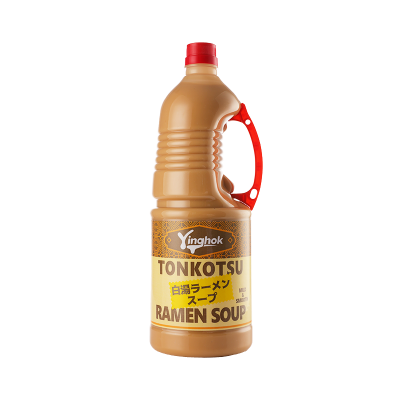
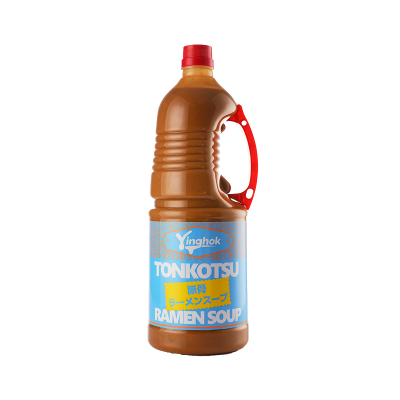
- Ramen soup bases
- Japanese condiment solutions
This broad portfolio allows customers to expand product lines through a single trusted supplier.
Flexible Business Support
Unlike many manufacturers that focus exclusively on large-volume customers, Yinghok supports businesses at different growth stages.
This flexibility helps startups, distributors, retailers, and established brands launch products with greater confidence.
International Quality Standards
Yinghok emphasizes food safety, product consistency, and quality assurance throughout every stage of production.
Their commitment to quality helps customers build stronger brands and long-term customer trust.
End-to-End Service
From concept development to final shipment, Yinghok provides support throughout the entire process, including:
- Product consultation
- Formula customization
- Sample development
- Packaging solutions
- Manufacturing
- Export assistance
This comprehensive approach simplifies sourcing and reduces operational complexity.
9. Final Thoughts: Building a Successful Japanese Sauce Brand
The global demand for Japanese cuisine continues to create exciting opportunities for entrepreneurs, retailers, wholesalers, distributors, and food brands.
However, success requires more than simply placing a label on a bottle.
Winning brands combine:
- High-quality products
- Strong brand positioning
- Effective marketing
- Reliable supply chains
- Strategic manufacturing partnerships
By carefully selecting the right products, understanding your target audience, investing in professional branding, and partnering with an experienced manufacturer Like Yinghok, you can build a private label Japanese sauce brand capable of competing in both local and international markets. With the right manufacturing partner, authentic recipes, reliable quality control, and customized product development, your brand can successfully meet growing consumer demand for premium Asian flavors.
Whether you are launching your first product line or expanding an existing food brand, partnering with an experienced OEM/ODM sauce manufacturer can significantly accelerate your path to market. Yinghok's team can help you develop customized Japanese sauces, wasabi products, private-label packaging, and market-specific flavor solutions tailored to your business goals.
The journey requires planning, patience, and execution—but the opportunity has never been greater. As global demand for authentic Japanese condiments continues to grow, now is an ideal time to establish your brand and secure a competitive position in the marketplace.
Ready to create your own private label Japanese sauce brand? Contact Yinghok today to discuss your product ideas, request samples, and receive a customized manufacturing solution designed for your target market. Our experts are ready to help turn your concept into a successful commercial product.
Frequently Asked Questions
1. How much does it cost to start a private label Japanese sauce brand?
Costs vary depending on product type, packaging, MOQ, branding requirements, and logistics. Working with an OEM manufacturer typically reduces startup costs compared to building your own production facility.
2. What is the difference between private label and OEM Japanese sauces?
Private label generally uses existing formulations with your brand name, while OEM solutions often include customized recipes, packaging, and specifications tailored to your business.
3. Which Japanese sauce products are easiest to launch first?
Soy sauce, teriyaki sauce, sushi sauces, and dipping sauces are often excellent starting points because of their broad market appeal and established consumer demand.
4. Can I customize the flavor of my private label sauce?
Yes. Many manufacturers, including Yinghok, offer flavor customization services that allow brands to adjust sweetness, saltiness, spice levels, ingredients, and overall flavor profiles.
5. How do I choose the best Japanese sauce manufacturer?
Evaluate manufacturers based on product quality, food safety certifications, customization capabilities, export experience, production capacity, and long-term partnership potential rather than price alone.
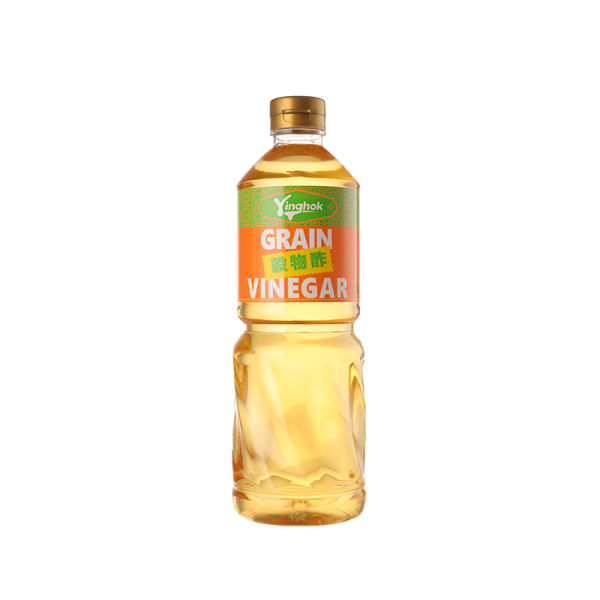
Grains Vinegar is a fermented edible vinegar with mellow sourness and grain fragrance, a condiment widely used globally.
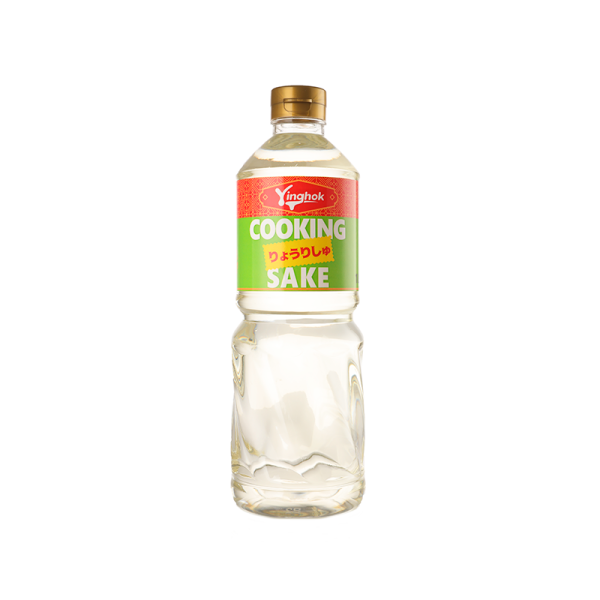
Essential Japanese cooking sake for home use, great for stews, marinades and everyday Asian dishes.
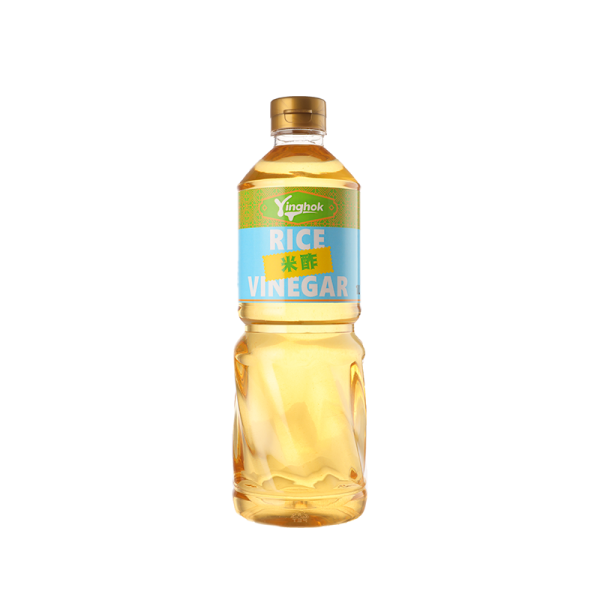
Versatile rice vinegar for home use, perfect for salads, sushi rice, marinades and dipping sauces.
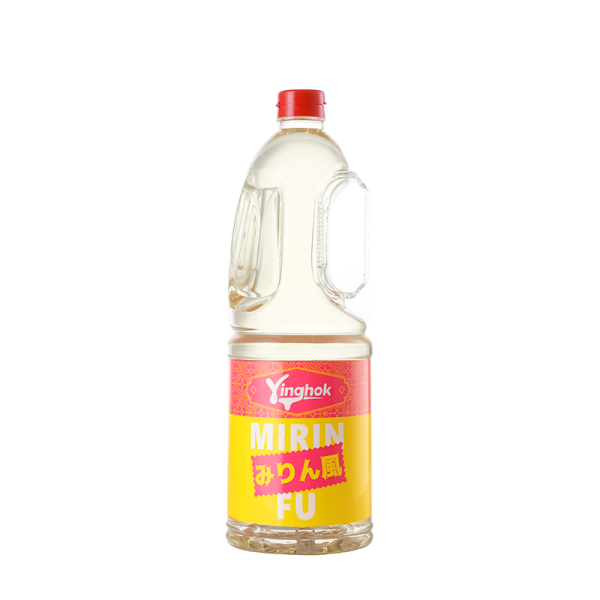
Premium mirin-fu with mild sweet flavor, ideal for Japanese cooking, simmered dishes and commercial use.