How to Choose the Right Ramen Soup Base for a Restaurant Chain
For a restaurant chain, choosing a ramen soup base is not just a menu-development decision. It affects kitchen workflow, serving consistency, ingredient costs, staff training, and the ability to maintain the same customer experience across multiple locations.
A broth that performs well in one restaurant may be difficult to reproduce across ten or twenty kitchens if its preparation method, dilution ratio, or ingredient specifications are not clearly standardized. This is why chain operators should evaluate ramen soup base suppliers based on both flavor performance and long-term operational suitability.
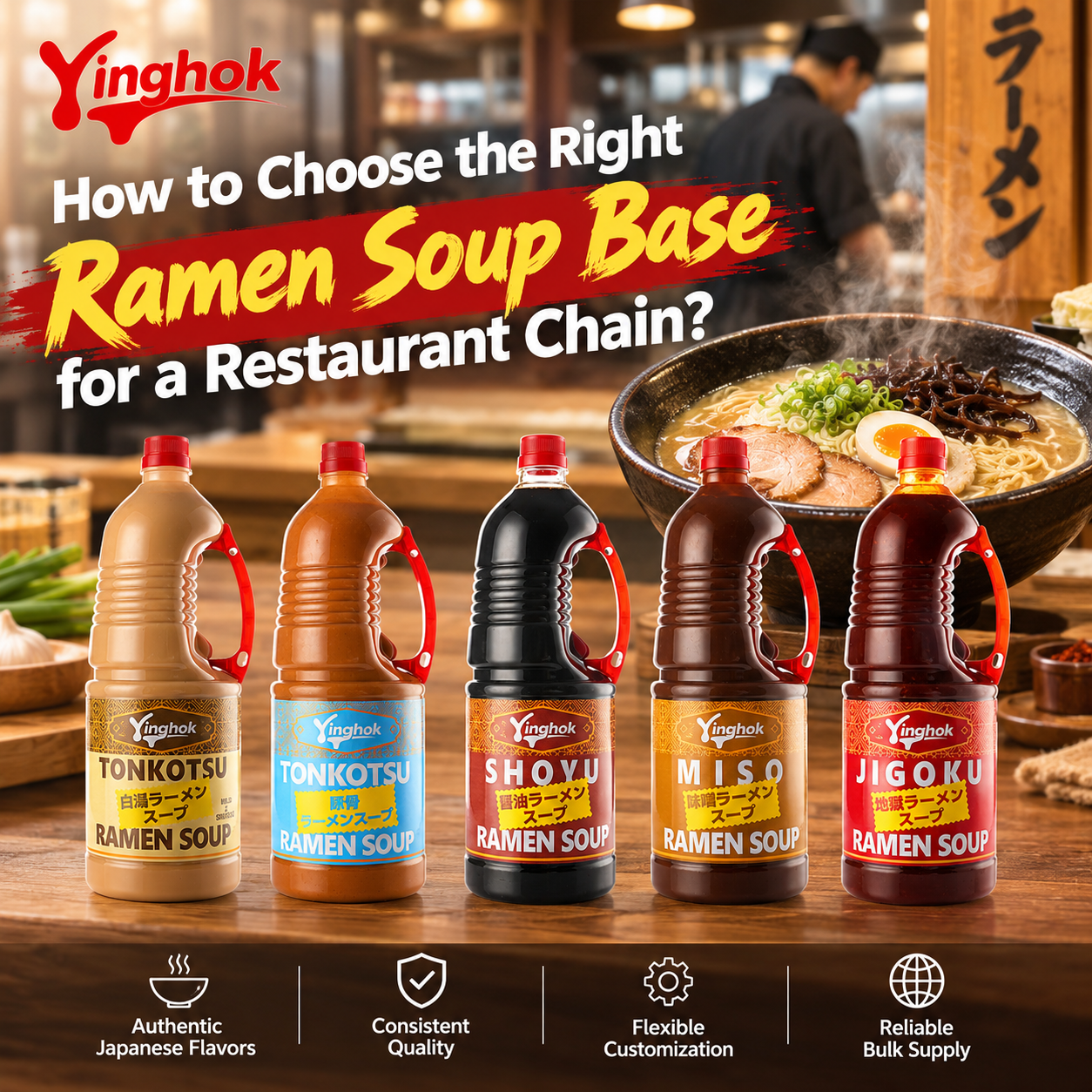
From Tonkotsu and Miso to Shoyu, Curry, and Tomato, each soup base offers a different menu direction. The right choice depends on the restaurant concept, target customers, kitchen equipment, desired preparation process, and purchasing plan.
This guide explains how restaurant groups can compare ramen soup base types, choose between concentrated and ready-to-use formats, calculate practical serving costs, and evaluate a reliable wholesale ramen soup base supplier.
1. Match the Ramen Soup Base to Your Restaurant Concept
Before requesting samples or quotations, identify the role each broth will play in your menu. Different ramen styles have different flavor profiles, ingredient requirements, and operational considerations.
Tonkotsu: Rich and Full-Bodied Broth
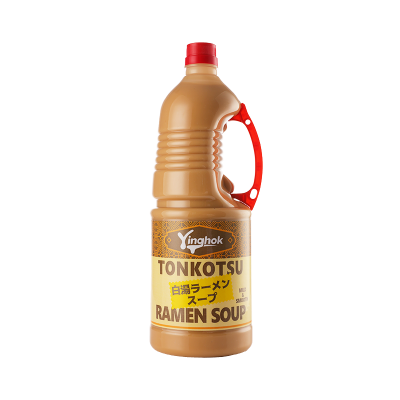
Tonkotsu is typically associated with a rich pork-bone flavor, creamy mouthfeel, and pronounced umami. It can be suitable for ramen shops that position their menu around hearty, traditional-style noodle bowls.
For chain operators, the key evaluation points include:
• Whether the broth has the desired richness and aroma
• Whether its viscosity works with the selected noodles and toppings
• Whether the flavor remains balanced after the specified dilution
• Whether the formulation and ingredient declaration fit the target market
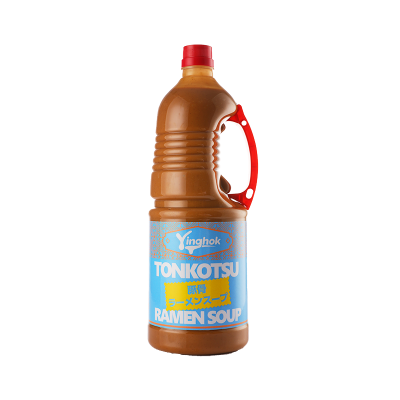
Some menus may benefit from lighter and darker Tonkotsu profiles. These should be evaluated separately rather than treated as interchangeable products.
Miso: Deep Umami and Flexible Flavor Development
Miso ramen soup base offers a savory, fermented soybean paste character and can be developed in different directions, including richer, sweeter, or spicier profiles.
It can work well in restaurants looking to offer a distinct alternative to soy-based or pork-bone broths.
When comparing Miso samples, assess the intensity of the miso aroma, saltiness, sweetness, and overall balance. If the chain plans to add corn, vegetables, minced meat, or other toppings, test the complete bowl rather than evaluating the broth alone.
Shoyu: Savory and Versatile
Shoyu ramen is built around a soy-sauce-based flavor profile. It can be considered for classic ramen menus and restaurant concepts that need a savory broth with flexibility in toppings and menu combinations.
Buyers should pay attention to saltiness, aroma, color, and the contribution of other ingredients in the formula. Ingredient and allergen declarations also require particular attention because soy and wheat may be relevant depending on the formulation.
Curry: Aromatic and Menu-Differentiated
Curry ramen introduces a recognizable curry flavor into the ramen category. It may suit casual dining concepts, fusion menus, or chains seeking a different flavor direction from conventional ramen broths.
Evaluate curry aroma, spice intensity, thickness, and how the soup performs with noodles and other ingredients. A broth that tastes balanced on its own may become too strong or heavy when combined with rich toppings.
Tomato: Tangy and Distinctive
Tomato ramen soup base offers a different flavor direction, with tomato character and a sweet-tangy profile. It may be useful for restaurants developing creative ramen options or broader Asian fusion menus.
Buyers should assess acidity, sweetness, color, viscosity, and how the broth works with meat, seafood, or vegetable toppings.
Practical menu-planning tip: A chain does not necessarily need every ramen flavor. Start with the broth styles that support the restaurant's positioning, then test additional varieties as seasonal, regional, or limited-time menu options.
Yinghok's wholesale ramen soup base range includes Tonkotsu, Miso, Shoyu, Curry, Tomato, and other styles for foodservice and wholesale evaluation.
2. Evaluate Flavor Consistency, Kitchen Efficiency and Cost per Bowl
For restaurant chains, a successful soup base must work beyond the tasting session. It should be practical for daily service and repeatable across locations.
Establish a Standardized Preparation Specification
Create a written preparation standard for each approved broth. It should identify:
• Soup base quantity per serving
• Water quantity and dilution ratio
• Water temperature or heating instructions, where specified
• Required mixing procedure
• Final broth volume
• Noodle portion and standard toppings
• Any additional ingredients required before serving
Use measuring tools or portion-control equipment where appropriate. Staff should not rely solely on visual estimation when preparing concentrated broth.
Calculate the Real Cost per Serving
Comparing suppliers only by price per kilogram or liter can be misleading. A more useful comparison is the cost of the finished broth per bowl.
A basic calculation is:
Cost per bowl = Cost of soup base used per serving + Cost of additional broth ingredients
For a concentrated product, calculate the quantity of base needed for the chain's approved serving volume. Then include any additional ingredients, water, preparation labor, and avoidable waste when comparing the total operating cost.
For example, two suppliers may quote different prices per kilogram, but the products may have different concentration levels and recommended serving quantities. The lower purchase price does not automatically mean the lower cost per bowl.
Test Performance During Real Service
Conduct trials under realistic kitchen conditions. Check whether the broth remains consistent when prepared by different staff members and whether the preparation steps can be completed during busy service periods.
For multi-location operations, consider testing samples with staff from more than one restaurant. This helps identify instructions that may be difficult to follow consistently.
3. How to Customize a Ramen Soup Base for Multiple Locations
A restaurant chain may operate in different regions or serve customers with different flavor preferences. Customization can help align the broth with the chain's menu strategy, but changes should be controlled carefully.
Potential customization areas include:
Flavor intensity: Adjust umami, saltiness, sweetness, aroma, and overall richness.
Spice level: Develop a milder or stronger profile according to the target customer group.
Concentration: Set a suitable concentration and dilution ratio for the restaurant's serving size and preparation workflow.
Ingredient requirements: Review animal-derived ingredients, allergens, and other formulation restrictions before approving the product.
Menu application: Develop a broth for a particular noodle style, topping combination, or signature dish.
For example, a chain may want a Miso broth with a stronger miso aroma, a Shoyu broth with a lighter salt profile, or a Curry broth designed for a specific range of toppings.
However, customization should not be treated as an informal adjustment made separately by each location. Once a formula and preparation method are approved, document them as the chain's product specification.
For restaurant groups developing their own branded broth, a custom ramen soup base supplier should be able to discuss sample development, agreed formulation parameters, packaging, and the documentation needed for repeat production.
Prepare a brief describing your restaurant concept, target flavor, serving size, dilution preference, ingredient restrictions, and expected purchasing volume. This gives the manufacturer a clearer starting point for sample development.
4. How to Evaluate a Ramen Soup Base Manufacturer for Long-Term Supply
A supplier for a restaurant chain should be evaluated on more than the quality of one sample. Buyers need to understand whether the manufacturer can support the agreed specifications and purchasing plan over time.
Production and Supply Planning
Ask the manufacturer about its production arrangements for the specific ramen soup base, including:
• Which manufacturing site will produce the product
• Whether the formula is an existing product or a customized development
• How raw-material changes are managed
• How production batches are identified and traced
• Whether repeat orders can follow the approved product specification
• How production schedules and order forecasts are coordinated
Do not assume that a supplier's general production capacity guarantees availability of a particular SKU. Confirm the actual production plan, order volume, and lead time for the product you intend to purchase.
MOQ and Packaging
Minimum order quantities can vary according to the formula, packaging format, production setup, and whether the product uses standard or customized packaging.
For example, Yinghok's ramen soup base page currently lists starting MOQs of 30 cartons for standard flavors and 50 cartons for custom formulas. These are published reference points, not a guarantee that every SKU or order will have the same MOQ. Confirm the current terms for your selected product.
Packaging should be assessed according to actual kitchen consumption and storage conditions. Options may include smaller foodservice packs, bottles, pouches, or larger bulk formats, subject to product availability and compatibility.
Consider:
• How much product each restaurant uses per day
• How quickly an opened pack can be consumed
• Whether staff can measure and dispense the product accurately
• Whether the package is easy to seal and store after opening
• Whether the format is practical for shipping and warehouse handling
Private Label and Documentation
If the chain wants its own branded soup base, confirm artwork requirements, label responsibilities, packaging lead times, and the approval process.
The supplier should also clarify what product specifications, ingredient information, nutrition data, allergen information, and other technical documents can be provided for the intended market.
5. Quality Control, Food Safety and Product Storage
Food safety and quality management should be part of supplier evaluation from the beginning, not something checked only after the first shipment.
What Should Buyers Verify?
Depending on the product and destination market, buyers may request:
• Product specifications and ingredient declarations
• Allergen information
• Relevant microbiological or chemical test reports
• Batch identification and traceability procedures
• Manufacturing-site food-safety documentation
• Applicable certification documents
• Storage and handling instructions
BRCGS Food Safety Issue 9 provides a framework for food safety, product quality, legality, and operational controls in food manufacturing. Buyers should verify the actual certificate, manufacturing site, scope, validity, and current applicable position statements rather than relying on a supplier's general statement that it is BRCGS certified. BRCGS official information.
HACCP is a systematic approach to identifying and controlling food-safety hazards. The Codex Alimentarius General Principles of Food Hygiene (CXC 1-1969), published in its updated format in 2023, includes guidance on Good Hygiene Practices and HACCP. A supplier's HACCP-related claim should be supported by appropriate documentation and assessed in the context of its actual production process.
For Halal requirements, verify the relevant product scope, manufacturing site, certification body, certificate validity, and acceptance in the destination market. Do not assume that a certificate for one product automatically covers every ramen soup base.
Storage After Opening
Storage instructions are product-specific. Different ramen soup bases may have different formulations, packaging systems, shelf lives, and handling requirements.
For example, Yinghok's published product pages give different unopened shelf-life information for certain ramen soup bases and instruct users to refrigerate products after opening. These details should not be generalized to every product in the range.
Restaurant operators should obtain the current label and technical specification for each purchased SKU and establish a kitchen procedure covering:
• Storage temperature before and after opening
• Resealing and container handling
• Date marking after opening, where required
• Stock rotation and use-by controls
• Disposal of products that exceed the specified storage period or show signs of deterioration
The FDA Food Code 2022 is a model code intended for adoption by relevant U.S. regulatory jurisdictions. It provides guidance for retail and foodservice food safety, but local requirements and adopted versions may differ. It is not a substitute for the manufacturer's product-specific storage instructions.
Always follow the product label, applicable local food regulations, and advice from qualified food-safety professionals. Do not assume that heating a soup base makes improper storage safe.
6. Sample Testing, Bulk Purchasing and Export Coordination
A structured procurement process helps restaurant chains avoid approving a broth based on taste alone.
Step 1: Prepare a Product Brief
Provide the supplier with the restaurant concept, target broth styles, serving size, preferred concentration, flavor requirements, ingredient restrictions, packaging preference, destination market, and estimated order quantity.
Step 2: Request and Evaluate Samples
Test each candidate broth using the intended noodles, toppings, water ratio, and kitchen equipment.
Evaluate the complete serving rather than tasting the concentrate alone. Record the approved recipe and feedback so the supplier can understand which adjustments are required.
Request samples of the specific broth styles under consideration and confirm the sample's product specification, preparation instructions, and shipping arrangements before beginning the trial.
Step 3: Confirm the Approved Specification
Before placing a bulk order, agree on the formula or product specification, dilution ratio, packaging, label information, MOQ, price, payment terms, production schedule, and inspection requirements.
Any changes to the approved formula or raw materials should be communicated and assessed before implementation.
Step 4: Plan Repeat Orders and Export Requirements
For international restaurant groups, purchasing discussions should include forecast sharing, reorder lead times, shipping arrangements, carton and pallet specifications, and required export documents.
For products imported into the United States, the applicable FDA requirements should be reviewed with the importer. Covered importers may have responsibilities under the Foreign Supplier Verification Programs (FSVP) rule. The precise obligations depend on the product, importer, and applicable exemptions or modified requirements.
For other destinations, confirm local food-import, labeling, customs, and certification requirements before production and shipment.
Step 5: Monitor Supply Performance
After launch, review product consistency, delivery performance, complaints, stock availability, and forecast accuracy. A regular review process helps both the restaurant group and supplier identify issues before they affect multiple locations.
Looking for a Reliable Ramen Soup Base Supplier for Your Restaurant Chain?
Choosing a ramen soup base is ultimately about finding the right balance between menu identity, kitchen efficiency, serving cost, and supply consistency. A suitable manufacturing partner should understand not only the flavor you want, but also how the product will be prepared, portioned, stored, and reordered across your restaurant locations.
Yinghok provides wholesale ramen soup base solutions for restaurants, foodservice operators, distributors, and food manufacturers, with options covering multiple ramen styles and customization requirements.
Whether you are sourcing Tonkotsu, Miso, Shoyu, Curry, or Tomato broth, share your target flavor profile, serving size, preferred dilution ratio, packaging requirements, and estimated order volume.
Discuss your ramen menu and purchasing plan with Yinghok to evaluate suitable products, request samples, and confirm product-specific MOQ, specifications, and export arrangements.
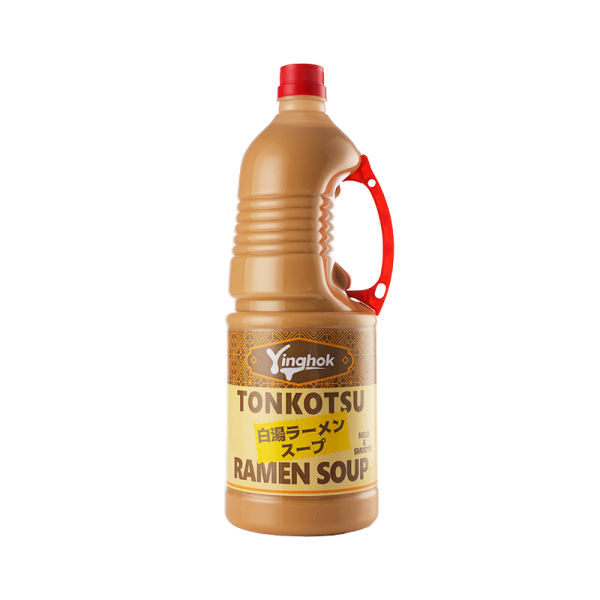
The tonkotsu ramen soup is the soul of Japanese tonkotsu ramen, rich, mellow and delicious without being greasy.
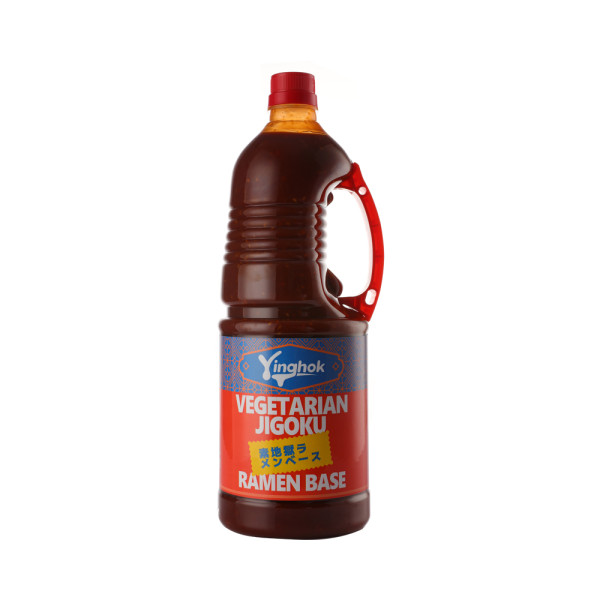
Expand your ramen portfolio with a bold vegetarian spicy option. Yinghok's Vegetarian Jigoku Ramen Base helps restaurants and food brands efficiently develop distinctive spicy ramen products while maintaining consistent flavor and convenient preparation.

Portable shoyu ramen soup for home meals. Authentic soy-based broth delivers classic Japanese taste conveniently.
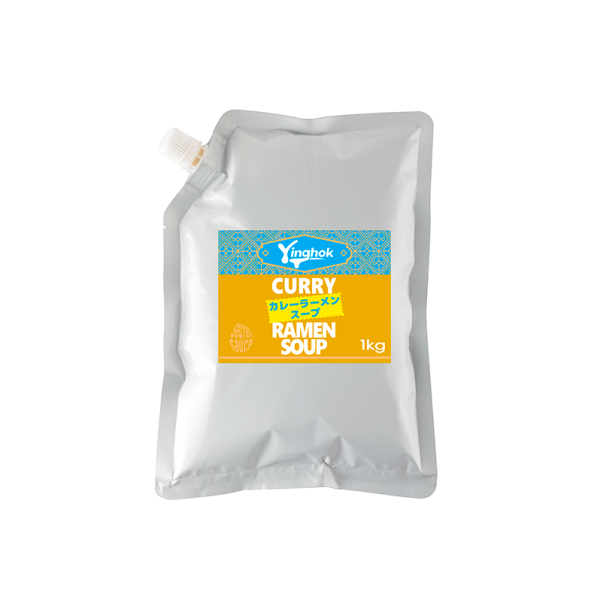
Curry ramen broth features fragrant curry flavor and smooth taste, perfect for making genuine homemade curry ramen easily.