How Can You Ensure Consistent Quality from Your Sushi Sauce Supplier?
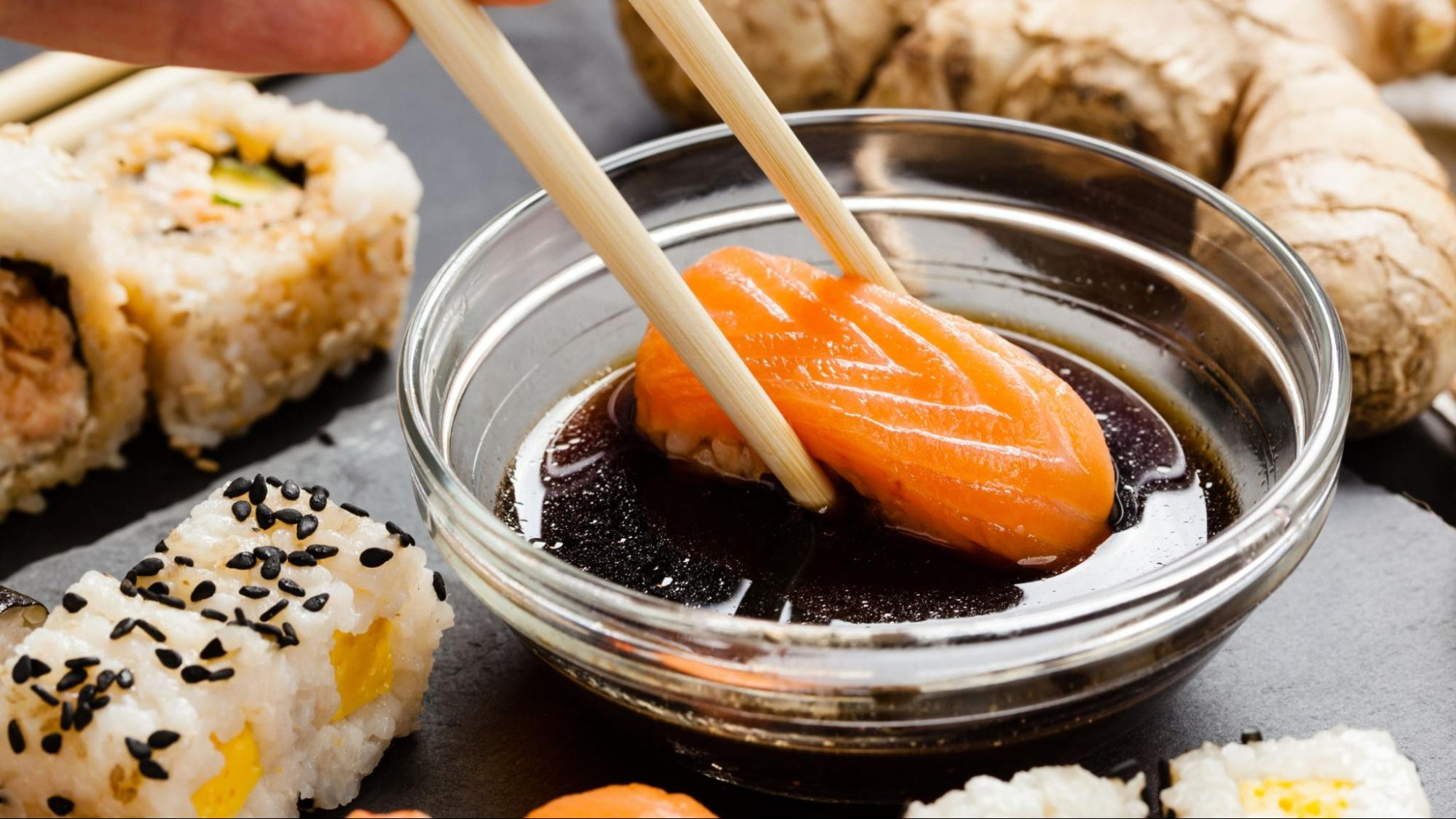
Achieving consistent quality in sushi sauce is paramount for restaurants, foodservice providers, and sushi brands aiming to deliver exceptional dining experiences. The sushi sauce acts as a flavor cornerstone, influencing customer satisfaction, brand reputation, and repeat business. At Yinghok, we understand the critical importance of maintaining high quality standards throughout the supply chain. This comprehensive guide explores best practices, quality assurance strategies, and industry insights to help you secure a reliable sushi sauce supplier capable of delivering consistent, premium-quality products every time.
Understanding the Importance of Consistency in Sushi Sauce Quality
Consistency in sushi sauce is not merely about flavor but encompasses texture, appearance, purity, and shelf stability. Fluctuations can lead to customer dissatisfaction, reduced brand loyalty, and financial losses. A trustworthy sushi sauce supplier must deliver products that meet strict quality benchmarks consistently, regardless of batch or season.
Why is Consistency Critical?
Customer Satisfaction: Customers expect the same flavor profile every time, especially for signature dishes.
Operational Efficiency: Reliable suppliers reduce waste, rework, and delays caused by inconsistent ingredients.
Brand Reputation: Maintaining high standards builds trust and differentiates your brand in a competitive market.
Regulatory Compliance: Consistent quality ensures adherence to food safety standards and minimizes legal risks.
Key Factors for Ensuring Consistent Sushi Sauce Quality
1. Rigorous Supplier Selection and Qualification
The foundation of consistent sushi sauce quality begins with selecting a trustworthy and experienced supplier. A comprehensive supplier qualification process helps minimize risks and ensure long-term product stability. Important evaluation criteria include:
Supplier Audits: Assess production facilities, sanitation standards, manufacturing capabilities, and internal quality control systems.
Industry Certifications: Prioritize suppliers certified with internationally recognized standards such as HACCP, ISO 22000, and FSSC 22000 to ensure food safety compliance.
Proven Industry Experience: Review the supplier’s track record, export experience, customer feedback, and history of regulatory compliance.
Sample Evaluation: Request product samples for sensory analysis, consistency testing, and formulation verification before establishing long-term cooperation.
2. Implementing Comprehensive Quality Control Systems
Partnering with a professional manufacturer like Yinghok requires establishing strict quality control protocols throughout the production process. Effective QC systems should include:
Raw Material Inspection: Verifying ingredient freshness, purity, flavor consistency, and food safety before production begins.
In-Process Monitoring: Conducting continuous inspections during mixing, cooking, filling, and packaging to identify potential deviations early.
Final Product Testing: Performing microbiological, chemical, viscosity, and sensory evaluations to ensure every batch meets specifications.
Batch Traceability: Maintaining complete production records to support rapid issue resolution and product recall management if necessary.
3. Standardized Manufacturing Procedures
Consistency in sushi sauce production depends heavily on standardized operating systems and controlled manufacturing environments. Key practices include:
Standard Operating Procedures (SOPs): Clearly documented workflows for ingredient preparation, cooking temperatures, mixing times, and packaging processes.
Controlled Production Environment: Maintaining stable temperature, humidity, and hygiene conditions to preserve flavor and product safety.
Precise Ingredient Measurement: Using calibrated equipment and automated systems to ensure accurate ingredient ratios in every batch.
Advanced Production Technology: Utilizing automated machinery and modern processing equipment to reduce human error and improve consistency.
4. Strong Supplier Quality Assurance (SQA) Programs
An effective Supplier Quality Assurance program supports continuous quality improvement and long-term supply chain stability. Essential components include:
Regular Supplier Audits: Conducting periodic inspections to verify compliance with food safety and manufacturing standards.
Performance Monitoring: Tracking supplier metrics such as defect rates, delivery accuracy, and production consistency.
Continuous Improvement Programs: Collaborating with suppliers to optimize formulations, processing efficiency, and packaging solutions.
Employee Training: Ensuring all production personnel receive ongoing training in hygiene practices, food safety, and quality management procedures.
5. High-Quality Ingredients and Supply Chain Integrity
The quality of sushi sauce is directly influenced by the integrity of its raw materials and supply chain management. To maintain premium product standards, businesses should focus on:
Sourcing Premium Ingredients: Selecting high-quality soy sauce, seasonings, sugars, vinegars, and natural flavor ingredients that meet strict food-grade requirements.
Supply Chain Transparency: Establishing traceability systems that monitor ingredients from farm and supplier to final production.
Close Supplier Collaboration: Working directly with ingredient suppliers to enforce consistent quality expectations and sustainable sourcing practices.
Efficient Inventory Management: Implementing proper stock rotation and storage conditions to preserve ingredient freshness and prevent quality deterioration.
6. Continuous Monitoring and Customer Feedback Integration
Long-term quality consistency requires continuous monitoring and a proactive feedback system. Businesses should establish processes that support ongoing optimization, including:
Customer Feedback Collection: Monitoring reviews, complaints, and market feedback to identify quality improvement opportunities.
Internal Quality Audits: Regularly evaluating production workflows, sanitation procedures, and quality management systems.
Routine Batch Sampling: Conducting random product testing to verify consistency across production runs.
Data-Driven Improvement: Analyzing production and quality data to identify trends, reduce risks, and implement corrective actions before issues escalate.
By combining strict supplier management, advanced quality control systems, standardized production methods, and transparent supply chain practices, businesses can ensure consistent sushi sauce quality while strengthening brand reputation and customer trust in competitive global markets.
Yinghok's Commitment to Excellence in Sushi Sauce Production
Yinghok stands out as a leading sushi sauce manufacturer dedicated to delivering consistent, high-quality products. Our rigorous quality assurance protocols include:
Advanced Manufacturing Facilities: State-of-the-art equipment designed for precision and hygiene.
Stringent Raw Material Selection: Only sourcing the finest ingredients, verified through rigorous testing.
ISO and HACCP Certifications: Ensuring compliance with international food safety standards.
Dedicated Quality Assurance Team: Skilled professionals overseeing every batch from raw material intake to final packaging.
Traceability and Documentation: Complete traceability systems for all ingredients and production processes.
Research & Development: Continuous innovation to improve product stability, flavor consistency, and shelf life.
Why Choose Yinghok as Your Sushi Sauce Supplier?
Unmatched Quality Control: Our comprehensive QC measures ensure every batch meets the highest standards.
Reliability and Timeliness: Consistent supply chains minimize disruptions.
Customization Capabilities: We tailor formulations to meet your specific flavor profiles and operational needs.
Sustainability Commitment: Eco-friendly sourcing and production practices.
Global Reach: Serving clients worldwide with consistent, premium-quality sushi sauces.
Best Practices for Sushi Restaurants and Foodservice Providers
While partnering with a trusted supplier like Yinghok is essential for maintaining consistent sushi sauce quality, daily operational management within restaurants and foodservice facilities also plays a critical role. Proper handling, storage, and staff training help preserve flavor integrity, food safety, and overall customer satisfaction.
Proper Storage Conditions
Sushi sauces should always be stored according to the manufacturer’s recommended temperature and humidity guidelines. Proper storage helps preserve flavor, texture, aroma, and shelf life while preventing spoilage or ingredient separation. Refrigeration may be necessary for certain formulations after opening, and storage areas should remain clean, dry, and protected from direct sunlight or excessive heat.
Hygienic Handling Procedures
Maintaining strict hygiene standards during sauce handling and portioning is essential to avoid contamination and preserve product quality. Staff should use sanitized utensils, clean dispensing containers, and food-safe handling practices at all times. Cross-contamination risks can be minimized through proper workstation sanitation and adherence to food safety protocols.
Effective Batch Rotation Management
Implementing a first-in, first-out (FIFO) inventory system ensures older stock is used before newly received products. Proper batch rotation helps maintain freshness, reduces waste, and minimizes the risk of serving expired or deteriorated sauces. Clear labeling and inventory tracking systems further improve operational efficiency and consistency.
Ongoing Staff Training and Quality Awareness
Regular employee training programs help ensure staff fully understand proper sauce storage, handling techniques, hygiene practices, and quality standards. Well-trained employees are more capable of maintaining flavor consistency, reducing operational errors, and supporting overall food safety compliance within the restaurant or foodservice environment.
Monitoring Customer Feedback and Flavor Consistency
Customer feedback provides valuable insight into product performance and consistency. Restaurants should actively monitor customer comments regarding taste, texture, aroma, and overall dining experience. Promptly addressing concerns and identifying recurring issues allows businesses to make operational adjustments quickly and maintain customer trust and satisfaction.
By combining high-quality sourcing with disciplined operational management, sushi restaurants and foodservice providers can consistently deliver premium flavor experiences while strengthening food safety standards and long-term customer loyalty.
Conclusion: Achieving Long-Term Consistency with Yinghok
Securing consistent, high-quality sushi sauce is a strategic process that involves careful supplier selection, rigorous quality control, and ongoing process improvements. Partnering with Yinghok guarantees access to industry-leading manufacturing practices, state-of-the-art facilities, and a dedicated quality assurance team committed to excellence.
By implementing stringent quality protocols, maintaining transparent supply chain practices, and fostering collaborative relationships with your supplier, your business can consistently deliver superior sushi that delights customers and elevates your brand reputation. Trust Yinghok to be your reliable partner in achieving sushi sauce excellence—every batch, every time.
Elevate your sushi offerings with Yinghok’s unwavering commitment to quality. Contact us today to learn more about our premium sushi sauce manufacturing solutions and how we can support your business’s success.
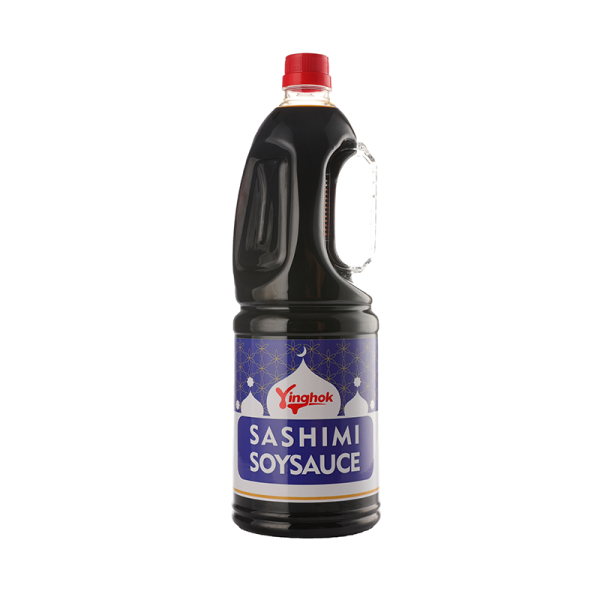
Halal certified sashimi soy sauce with smooth and delicate taste, perfect for halal Japanese cuisine and daily dining.
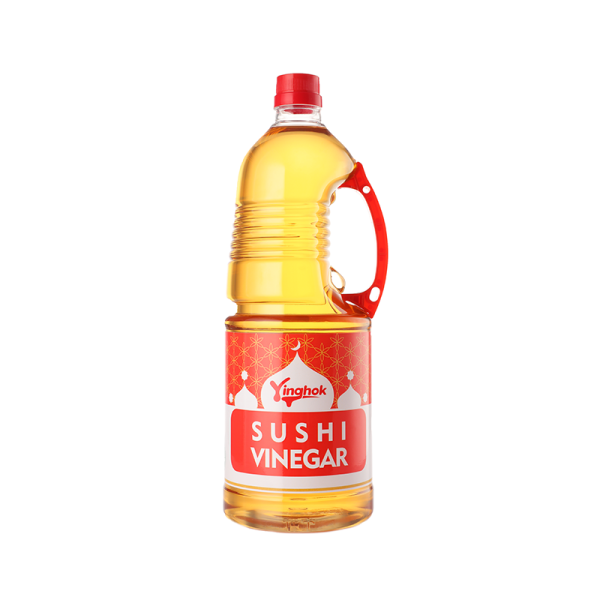
Sushi vinegar, a carefully crafted specialty seasoning, is essential for making Japanese authentic sushi.
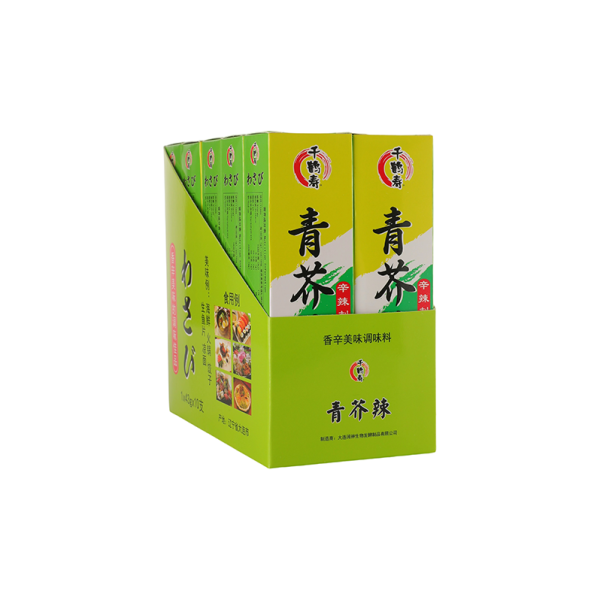
Authentic and sharp wasabi paste with fresh zesty flavor, ideal for sushi, sashimi and Japanese restaurant use.
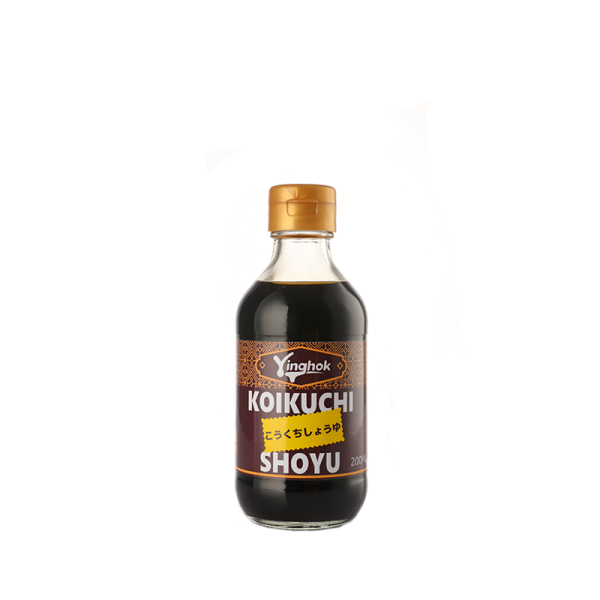
Koikuchi Shoyu is the most common type of soy sauce in Japan,widely used in sashimi, sushi, ramen, stews, and sauces.