Guide to Choosing a Reliable Custom Japanese Sauce Supplier

In today's rapidly evolving global culinary landscape, Japanese cuisine continues to dominate with its unique umami flavor and exquisite craftsmanship. For food producers, restaurants, and culinary innovators looking to enhance product quality, sourcing high-quality, customizable Japanese seasonings is crucial. At Yinghok, we understand the importance of quality, authenticity, and reliability, and therefore, we have carefully selected a portfolio of trustworthy Japanese seasoning suppliers committed to excellence.
This comprehensive guide aims to help businesses and cooking enthusiasts find reliable, high-quality custom Japanese seasoning suppliers, ensuring your products stand out in a competitive market.
Why Choose Custom Japanese Seasonings?
Custom Japanese seasonings are more than just a means to enhance flavor; they are strategic tools that can completely transform your dishes or product lines. Here are their core advantages:
Authenticity and Quality Control: Customization allows for precise control over ingredients, ensuring authentic and reliable flavors that meet your standards.
Brand Differentiation: Unique seasoning combinations help you stand out in a saturated market.
Enhanced Customer Satisfaction: Customized flavors cater to specific taste preferences, increasing customer loyalty.
Flexibility and Innovation: Customized seasonings can be used to experiment with new recipes, fostering innovation.
How to Choose a Reliable Japanese Seasoning Supplier
Ingredient Authenticity
Reliable Japanese seasoning suppliers must use authentic ingredients such as miso, soy sauce, mirin, sake, and kelp to ensure pure flavor. Always verify that the supplier uses traditional fermentation processes, high-quality raw materials, and a traceable sourcing system. Authentic ingredients directly impact the depth of flavor, the balance of umami, and the product's reputation in a competitive market.
Customization Capabilities
Excellent suppliers should offer flexible customization options, including adjustments to saltiness, sweetness, umami intensity, and texture (liquid, powder, paste, or concentrate). They should also support private label packaging, low-sodium formulations, clean label formulations, and special certifications such as halal or vegan. Customization capabilities enable your business to create differentiated products to meet the preferences of specific regional markets and consumers.
Quality Assurance
Certifications such as ISO and HACCP demonstrate that suppliers adhere to structured quality management and food safety systems. In addition to certifications, suppliers should conduct rigorous batch testing, microbiological control, and shelf-life verification to ensure consistent product quality. A stable and documented quality assurance process maintains your brand reputation and ensures compliance with international food regulations.
Production Capacity
Suppliers must have sufficient production infrastructure to ensure your order volume can be met without compromising quality. This includes sufficient production lines, modern automated systems, a highly skilled team, and the ability to expand capacity during peak seasons. Strong production capacity ensures long-term partnerships, supports business growth, and avoids supply disruptions.
Delivery Time and Reliability
Timely delivery is crucial for maintaining a stable supply chain. Reliable suppliers should provide clear delivery cycles, transparent communication, and efficient logistical coordination. Furthermore, they should offer responsive customer service and proactively update information in response to raw material price fluctuations or shipping changes. Reliable delivery reduces operational risk and improves inventory planning.
Sustainability Practices
Modern buyers increasingly value sustainability; therefore, suppliers should demonstrate environmentally responsible sourcing and production practices. This may include energy-efficient manufacturing, waste-reducing systems, recyclable packaging solutions, and ethical raw material sourcing. Sustainable operations not only contribute to achieving environmental goals but also enhance brand image and meet the expectations of the global retail industry.
How Yinghok Stands Out in the Customized Japanese Seasoning Market
In a highly competitive seasoning industry, Yinghok differentiates itself not only through product quality but through complete solution integration. Unlike suppliers that simply provide standard formulations, Yinghok delivers tailored seasoning systems designed to support each client’s culinary philosophy, market positioning, and long-term brand strategy. By combining deep knowledge of traditional Japanese ingredients such as miso and soy sauce with modern food technology, Yinghok ensures authenticity while maintaining flexibility for global markets.
End-to-End Customization
Yinghok provides full-process customization, covering everything from initial flavor formulation and sensory evaluation to packaging structure and private label design. Whether clients require liquid sauces, powdered seasonings, or concentrated soup bases, the R&D team works closely with them to refine saltiness, sweetness, umami intensity, and texture. This integrated development approach shortens product launch cycles and ensures alignment with brand identity.
Strict Quality Control
Quality consistency is central to Yinghok’s operations. The company implements structured quality management systems, conducts regular internal audits, and adheres to internationally recognized food safety standards. From raw material inspection to finished product testing, each batch undergoes strict monitoring to ensure safety, stability, and flavor uniformity—protecting clients’ reputations in retail and foodservice markets.
Innovative Approach
Yinghok continuously invests in research and development to stay ahead of evolving culinary trends. By incorporating new ingredients, improving fermentation techniques, and exploring healthier formulations such as reduced-sodium or clean-label options, the company helps clients remain competitive. This forward-thinking strategy supports menu innovation, limited-edition launches, and category expansion.
Global Supply Chain Stability
With a well-established international logistics network, Yinghok ensures reliable supply regardless of geographic location. Efficient production planning, stable raw material sourcing, and coordinated export support enable consistent delivery schedules. This stability reduces supply chain risk and supports scalable growth for distributors, restaurant chains, and food manufacturers worldwide.
Dedicated Customer Support
Beyond production, Yinghok provides ongoing technical assistance and product development consultation. From flavor optimization to regulatory guidance and market adaptation strategies, the support team maintains close communication throughout the partnership. This customer-centric model transforms Yinghok from a supplier into a long-term strategic partner in the customized Japanese seasoning market.
How to Partner with a Reliable Japanese Seasoning Supplier
Building a successful partnership includes:
• Clearly defining your flavor profile, packaging, and volume requirements.
• Requesting samples and prototypes before mass production.
• Verifying certification and quality assurance agreements.
• Discussing delivery times and logistical issues.
• Ensuring support for regulatory compliance in the target market.
Provided by Yinghok comprehensive consulting services, help you smoothly navigate these steps, ensuring your customized seasonings seamlessly integrate into your product line.
Conclusion: Elevate Your Culinary Skills by Choosing a Trusted Japanese Seasoning Supplier
As the global appreciation for the depth and complexity of Japanese cuisine grows, so too does the demand for authentic, customizable Japanese seasonings. Choosing a reliable supplier is crucial for delivering consistent quality, authentic flavor, and innovative solutions.
Yinghok stays ahead of the curve, providing tailored Japanese seasoning solutions backed by expertise, quality assurance, and a customer-centric philosophy. Partnering with Yinghok gives your business access to premium ingredients, customized services, and reliable support, enabling you to create exceptional culinary products that customers rave about.
Explore the ultimate list of trusted Japanese seasoning suppliers and choose Yinghok as your strategic partner to transform your culinary offerings and achieve unparalleled success in the competitive food industry.
Contact Yinghok today to learn more about our customized Japanese seasoning solutions and embark on your culinary journey to excellence.
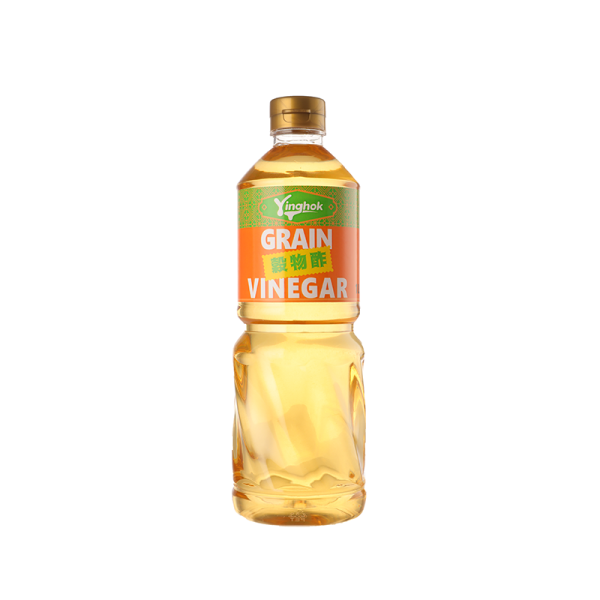
Grains Sour Liquid Seasoning is a fermented edible vinegar with mellow sourness and grain fragrance, a traditional condiment widely used globally.
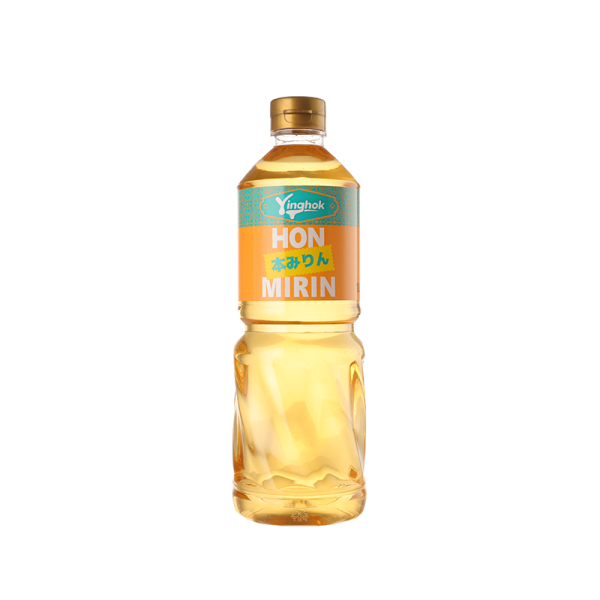
Hon mirin Supplier | Wholesale Japanese Seasoings | OEM & ODM Services Available | Supermarket Usage
Japanese Seasonging, sweet rice wine, perfect for elevating savory dishes with a balanced sweetness and delicate fragrance.
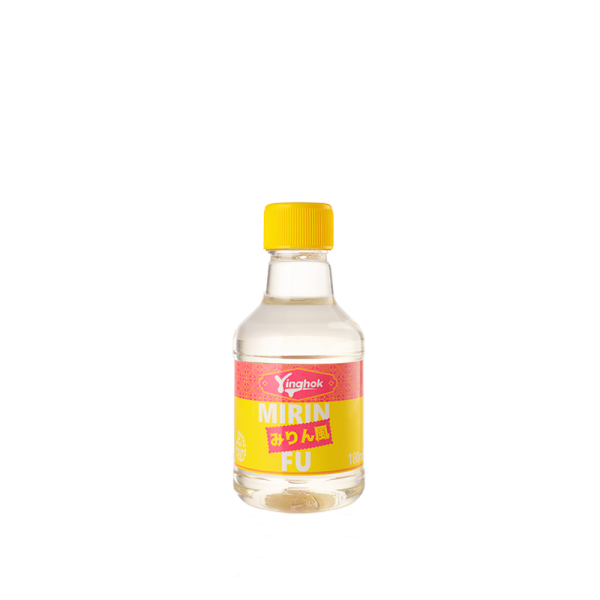
Cooking Wine , also known as Cooking Sake , is a seasoning wine with a taste and characteristics similar to sake.
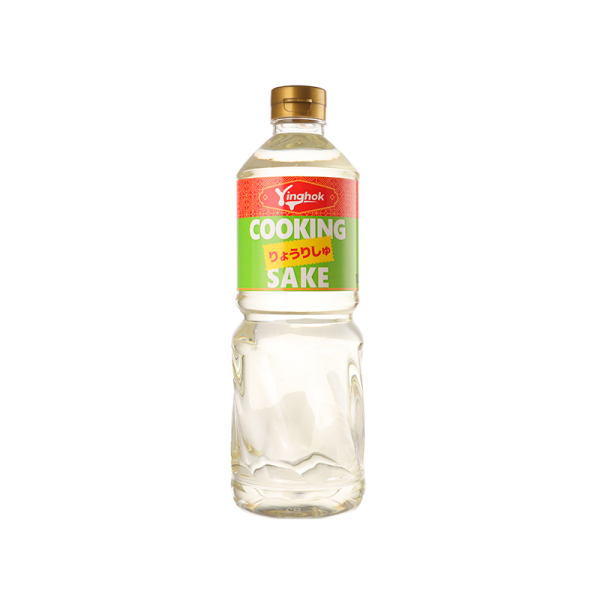
Cooking Sake , also known as Cooking Sake , is a seasoning wine with a taste and characteristics similar to sake.