Future Trends in Meat Wholesale and BBQ Sauces: What You Need to Know
As a leader in the meat wholesale and premium BBQ sauce industries, Yinghok is consistently dedicated to driving market innovation. Driven by technological advancements, shifting consumer preferences, and sustainability principles, the landscape of meat distribution and BBQ flavor enhancement is evolving rapidly. For businesses seeking to remain competitive and meet the demands of the modern market, understanding these future trends is crucial.
The Evolution of the Meat Wholesale Industry: Embracing Technology and Sustainability
1. Digital Transformation of the Meat Supply Chain
The meat wholesale industry is undergoing a profound digital revolution. Advanced Supply Chain Management (SCM) systems—powered by Artificial Intelligence (AI) and blockchain technology—are enabling unprecedented levels of transparency and efficiency.
- Blockchain ensures farm-to-fork traceability, providing consumers and retailers with reliable information regarding the origin, quality, and safety standards of the meat they purchase.
- AI-driven demand forecasting optimizes inventory management, reduces waste, and ensures timely delivery.
- Automated logistics streamline transportation processes, lowering both costs and carbon emissions.
This digital transformation not only enhances operational efficiency but also builds consumer trust through transparency—a critical factor in today's ethically conscious market.
2. Sustainable and Ethical Meat Production
Sustainability remains a dominant trend shaping the future of the meat wholesale industry. Consumers are increasingly demanding products that adhere to ethical standards and are environmentally friendly.
- Lab-grown meat and cell-cultured proteins are gaining increasing attention as sustainable alternatives, offering the potential to significantly reduce environmental impact.
- Large-scale farms are adopting regenerative agriculture practices to improve soil health, sequester carbon, and foster biodiversity.
- Certifications and eco-labels—such as organic, non-GMO, and animal welfare certifications—are becoming key differentiators in the market.
Recognizing these shifts, Yinghok invests in partnerships with sustainable producers and promotes products that meet rigorous environmental standards.
3. Customization and Niche Market Development
A key future trend in the meat wholesale industry is a focus on personalized products and niche markets. Thanks to advancements in meat processing technology, suppliers can now offer custom cuts, specialty meats, and unique flavor profiles to cater to diverse consumer preferences.
- Premium cuts of meat tailored specifically for the high-end market. Offering organic and grass-fed meats for health-conscious consumers.
- Providing exotic meats—such as game, ostrich, and kangaroo—for adventurous gourmets.
By offering customizable options, Yinghok positions itself as a diverse and innovative leader, catering to the needs of both traditional and emerging markets.
BBQ Sauce Innovation: Meeting Modern Tastes and Dietary Needs
1. Flavor Innovation and Global Inspiration
Driven by global culinary trends and growing consumer demand for bold, diverse flavors, the BBQ sauce market is undergoing a vibrant transformation. Today's BBQ sauces have moved far beyond traditional smoky profiles, drawing inspiration from across cultures to create exciting new taste experiences.
Blended sauces—which fuse a variety of profiles such as smoky, spicy, sweet, and tangy—are gaining immense popularity. Ingredients like Gochujang (Korean chili paste), Mexican jalapeños, and Middle Eastern za'atar spices are redefining BBQ sauces, infusing every bottle with culinary flavors from around the globe.
Concurrently, artisanal and handcrafted sauce recipes are also seeing a surge in popularity. These sauces emphasize natural ingredients, carefully balanced spices, and layered flavors, appealing to consumers who prioritize authenticity and high quality.
Yinghok Group remains at the forefront of this trend, developing innovative sauces that seamlessly blend international flavors while preserving authentic tastes—making them ideal for brands and foodservice providers looking to stand out in a highly competitive market.
2. Health-Conscious Sauces Aligned with Modern Dietary Preferences
As health and wellness become top priorities for consumers, BBQ sauces are evolving to accommodate modern dietary needs without compromising on flavor.
Key innovations include:
- Low-sugar and low-sodium formulations that retain a rich, full-bodied taste.
- Functional ingredients—such as turmeric, ginger, and moringa—are renowned for their health benefits.
- Plant-based and vegan-friendly sauces crafted from ingredients like coconut, avocado, and legumes.
Furthermore, allergen-free formulations are becoming increasingly vital to meet the needs of individuals with food allergies and dietary restrictions. This enables the brand to expand its audience reach while simultaneously ensuring product inclusivity.
Yinghok is committed to continuous product innovation, utilizing carefully selected, wholesome ingredients to craft sauces that are both delicious and aligned with the nutritional needs of today's consumers.
3. Sustainable and Clean-Label Ingredients
Today's consumers are more informed than ever before; they pay close attention to ingredient transparency and environmental impact. This has driven strong market demand for "clean-label" barbecue sauces—products free from artificial preservatives, colorings, or synthetic additives.
To meet these expectations, we focus on the following key areas:
- Utilizing organic and non-GMO ingredients to ensure purity and safety.
- Sourcing raw materials responsibly to support sustainable agriculture.
- Implementing eco-friendly packaging solutions to minimize our environmental footprint.
Sustainability is no longer an option, but a critical differentiator. Yinghok prioritizes transparency throughout the entire supply chain, ensuring that every product embodies both high quality and environmental responsibility.
Market Drivers and Consumer Preferences Shaping the Future
1. The Rise of Plant-Based Alternatives
While traditional meat products still dominate the market, plant-based proteins are disrupting the industry.
- Meat wholesalers are exploring "hybrid" products that blend real meat with plant-based ingredients.
- Barbecue sauce formulations are being designed to complement plant-based meats, emphasizing their ability to enhance the flavor of vegetarian products.
2. Convenient, Ready-to-Eat Solutions
Busy lifestyles demand convenient dining options:
- Pre-marinated meats, grill-ready products, and meal kits.
- Barbecue sauces packaged in portable, user-friendly containers.
Yinghok offers innovative packaging solutions that preserve product freshness and ensure ease of use, catering to the needs of modern consumers.
3. E-Commerce and Direct-to-Consumer Channels
Digital sales channels are transforming distribution models:
- Online platforms that allow consumers to order products directly from manufacturers.
- Subscription services offering regular deliveries of meats and sauces.
- Virtual tastings and brand engagement opportunities conducted via social media.
Investing in digital infrastructure and marketing is crucial for future growth.
Emerging Technologies and Future Opportunities in the Meat Wholesale and BBQ Sauce Industries
1. Smart Packaging and IoT Integration
Integrating smart technologies into packaging is transforming the way food is monitored, marketed, and consumed. Smart packaging solutions—equipped with QR codes, RFID tags, and even NFC technology—enable brands to enhance transparency and traceability throughout the entire supply chain.
These technologies facilitate:
- Real-time tracking of product location and logistics status
- Freshness monitoring via time-temperature indicators
- Instant access to product information, sourcing details, and usage suggestions simply by scanning a QR code
Furthermore, smart packaging boosts consumer engagement by bridging the gap between physical products and digital experiences—such as recipes, brand stories, and promotional campaigns—thereby creating a more interactive and personalized customer journey.
2. Alternative Protein Development
As global demand for sustainable and diverse protein sources continues to rise, alternative proteins are emerging as a key area of innovation. Investments in insect-based, fungal (mycoprotein), and algae-based proteins are opening up new opportunities for food manufacturers seeking to diversify their product portfolios.
These alternative proteins offer several advantages:
- High nutritional value, containing essential amino acids and micronutrients
- A lower environmental footprint compared to traditional livestock farming
- Strong alignment with trends toward plant-based and flexitarian diets
For sauce and condiment manufacturers, this presents an opportunity to develop complementary products tailored to alternative protein applications, thereby expanding into new and rapidly growing market segments.
3. Sustainable Production Technologies
Sustainability is becoming a core pillar of food production, driving the adoption of advanced technologies that boost efficiency while simultaneously minimizing environmental impact. Forward-thinking manufacturers are investing in renewable energy-powered facilities—such as solar- or wind-driven processing plants—to reduce their carbon emissions.
Concurrently, water-saving technologies—including closed-loop water recycling systems and highly efficient cleaning processes—are helping to reduce resource consumption across production lines. Other innovations include:
- Waste reduction through the utilization of by-products
- Energy-efficient machinery and automation
- Environmentally responsible sourcing and processing methods
By adopting these sustainable production technologies, businesses can not only lower operational costs over time but also enhance their brand image and meet the expectations of increasingly eco-conscious consumers.
Conclusion: A Bright Outlook for the Meat Wholesale and BBQ Sauce Industries
The future trajectory of the meat wholesale and BBQ sauce industries hinges on technological innovation, sustainability, and consumer-centric product evolution. Yinghok is committed to leading this transformation by adopting cutting-edge technologies, promoting eco-friendly practices, and delivering high-quality products that meet the diverse and evolving demands of the global market.
By embracing these emerging trends, businesses can unlock new growth opportunities, foster brand loyalty, and contribute to building a more sustainable and resilient food industry. Strategically integrating these innovations will help shape the next successful chapter of the meat wholesale and BBQ sauce markets.
For industry leaders and forward-thinking brands, aligning with these trends is no longer optional; it is a prerequisite for achieving long-term success. Yinghok Group stands ready to partner with you as we move together toward a future centered on innovation, sustainability, and excellence.
Contact us today to explore meat and BBQ sauce solutions tailored to your specific market needs, and discover how we can help elevate your product offerings and accelerate your business growth.
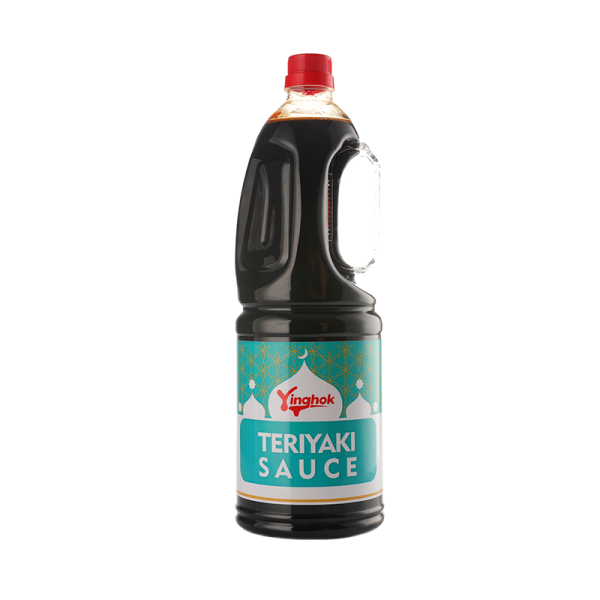
Halal certified teriyaki sauce with smooth flavor, ideal for halal catering and various cooking needs.
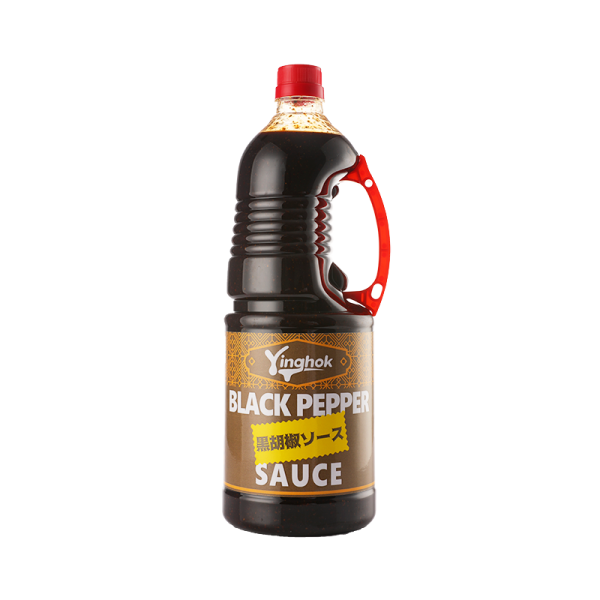
Rich and aromatic black pepper sauce delivers bold, savory flavor for commercial cooking and meat dishes.
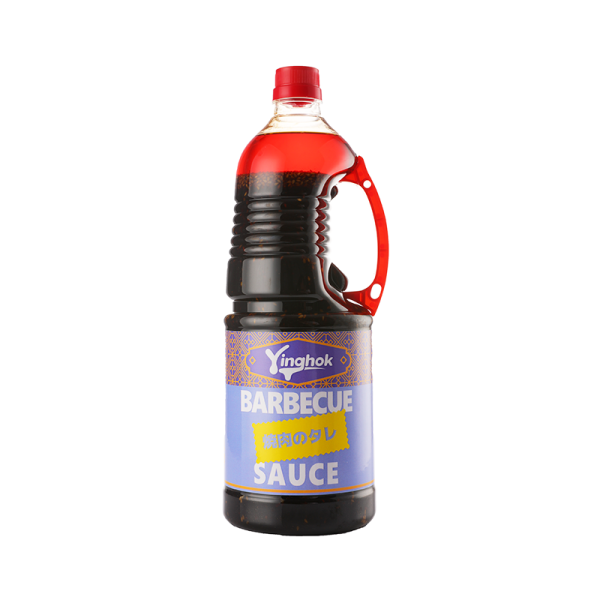
Bold and smoky barbecue sauce with rich flavor, perfect for commercial grilling, marinating and catering.
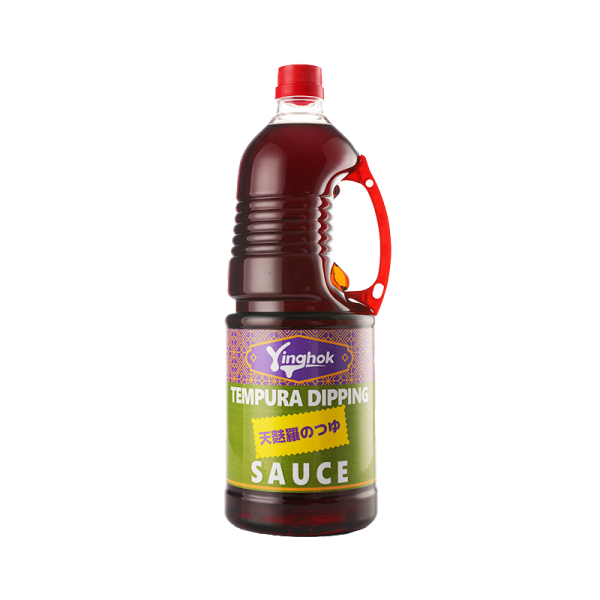
Light and savory tempura dipping sauce with authentic taste, ideal for commercial tempura dishes and fried seafood.